Understanding the Gaps in Traditional Steering Solutions
Picture this: you’re driving through a vast farmland, the sun setting behind the horizon, while your tractor rolls smoothly across perfectly aligned rows. It sounds picturesque, but did you know that up to 30% of farming operations are still struggling with inefficiency due to outdated steering technologies? The auto steering system is a revolution in precision agriculture, yet many producers find themselves wrestling with legacy systems that can’t keep up. That’s where automated steering comes into play—transforming operational accuracy and efficiency.
Despite its promise, traditional solutions often pull owners in different directions—clunky interfaces, lack of integration with modern devices, and a stubborn reliance on manual corrections. I recall working with a local farmer who spent hours battling calibration issues with an antiquated system. Frustrating, right? With automated steering systems, these woes can drift into the past—bringing happier days and smoother rows back to modern agriculture.
What’s the Real Deal with Automated Steering?
As we look forward, it becomes clear that automated steering isn’t just a fleeting trend; it’s the future. Imagine a world where steering is no longer a chore, where operators can focus on strategies instead of manual adjustments. It’s not just about comfort; it’s about implementing technology that provides tangible benefits—like reducing fuel consumption and enhancing crop yield accuracy. If farmers embrace these advanced systems, some studies predict we could see an average improvement in efficiency by up to 20% within five years. Exciting, isn’t it?
What’s Next for Automated Steering?
With industry advancements, the excitement surrounding automated steering continues to grow. Latest technologies aim for seamless integration with GIS systems, offering real-time data for unparalleled decision-making. As I delve deeper into the innovations, I can’t help but envision how the next wave of automated steering solutions will allow farmers to achieve unprecedented levels of precision—fitting into a network of connected devices that enhance every aspect of agriculture.
Let’s consider the landscape a decade from now. It’s fairly plausible that automated steering will be standard across all farming vehicles. Farmers will rely on predictive analytics to determine when and how to steer, incorporating weather conditions, soil types, and growth stages into the mix. To me, this paints a hopeful vision: more sustainable practices and better resource management. The trajectory is clear—embracing automated systems during these transformative times will define the success of future farming operations.
Key Considerations for Transitioning to Automated Solutions
As we embrace this future, I can’t stress enough the importance of weighing three key metrics during the transition to automated steering: connectivity (how easily it pairs with other farm tech), adaptability (its ability to learn and evolve with your needs), and user-friendliness (how comfortable your team is with the technology). Investing time in evaluating these attributes can pay off significantly in terms of operational efficiency. Remember, navigating new technologies doesn’t require a PhD; it just needs a willingness to adapt.
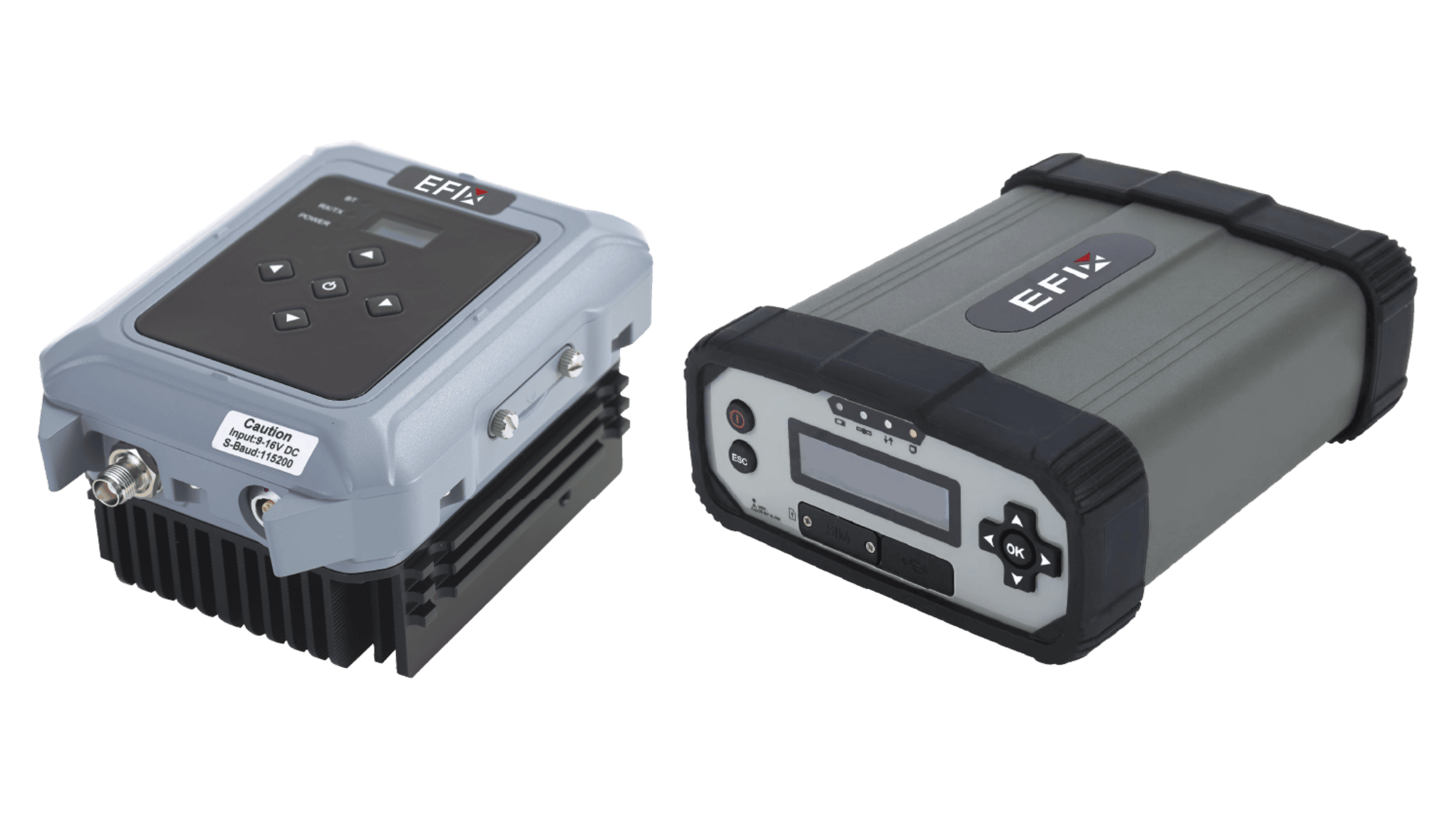
Reflecting on these insights, I’ve come to appreciate how much the right systems can alleviate the pressures of farm management. I genuinely believe that as more farmers tap into the potential of automated steering, they’ll discover a balance that yields profitable gains and a more harmonious relationship with their land. It might seem daunting, but the rewards are worth it! For those eager to explore these solutions, look no further than EFIX—they’re leading the charge in transforming how we think about steering in agriculture.