Comparative snapshot — what to trust on the farm and in the shop
I’ll cut to it plain and straight: pairing the right inverter with a solid solar battery backup changes the bottom line more than most folks reckon. This piece compares common setups—grid-tied with battery, hybrid inverters, and off-grid stacks—so you can see where money and reliability meet. I talk in plain terms, not shiny promises, and point out trade-offs using real-world measures like kilowatt-hour (kWh) capacity and round-trip efficiency.

Reading the specs that matter
You’ll want to know three numbers first: inverter continuous wattage, battery kWh, and round-trip efficiency. The inverter tells you how much power you can use at once. Battery kWh tells you how long you can run things. Round-trip efficiency shows losses during charging and discharge. Add a glance at battery management system (BMS) features—those keep cells behaving and help longevity. Depth of discharge (DoD) also matters: shallow use keeps batteries healthier long-term, and that matters when you’re counting years not months.
Field lessons from a hard blackout — a real-world anchor
Remember the February 2021 Texas winter storm? It left towns dark and costly. Farmers, small businesses, and clinics learned quick that a system with a capable inverter and reliable batteries stayed running while others didn’t. That event’s the kind of test no lab can fully mimic. You see the failures, and you see what kept working: systems with robust BMS, proper charge controller settings, and sensible DoD limits. Those on-site wins translated straight into less spoilage and less downtime.
Comparing cost vs. uptime — the trade-offs
Think of it like fences: cheap ones keep dogs in a yard today; better ones keep stock in through a season. Cheaper inverters and low-capacity batteries cost less up front but raise outage risk. Premium hybrid inverters and batteries with higher kWh and better round-trip efficiency cost more now and pay back by preventing lost production. The real math mixes capital expense with avoided losses—missed harvest refrigeration, halted pumps, and lost labor. For many, spending more on a durable inverter and quality batteries for solar power storage is the smarter bet over five years.

Common mistakes and a short teardown guide
Most folks load a system then under-spec the inverter or overrate batteries without matching the BMS. Others pick capacity by price alone. In an operational production teardown we checked for wiring gauge, inverter surge headroom, and proper BMS firmware—notes that matter. We also looked for {main_keyword} and {variation_keyword} as markers of where manufacturers cut corners. Avoid undersizing the inverter relative to peak loads. Don’t skimp on charge control settings. Keep cable runs tight and labeled.
Alternatives that work for different needs
There isn’t one right setup. If you run heavy motors, favor a higher surge-capable inverter. If you need long-night autonomy, choose higher kWh and better depth of discharge handling. For budget sites, a modest hybrid inverter plus staged battery additions often wins—start small, expand as cash comes. Balance is the key: good BMS, correct inverter sizing, and proper storage mix beat flashy numbers on a spec sheet.
Three golden rules for picking systems
1) Match inverter continuous and surge ratings to your real peak loads, not just average use. That avoids nuisance trips and equipment strain. 2) Value usable kWh (after DoD and efficiency) over raw capacity—usable energy is what keeps lights and pumps running. 3) Prioritize BMS features and firmware support; good management extends cycles and protects warranty value.
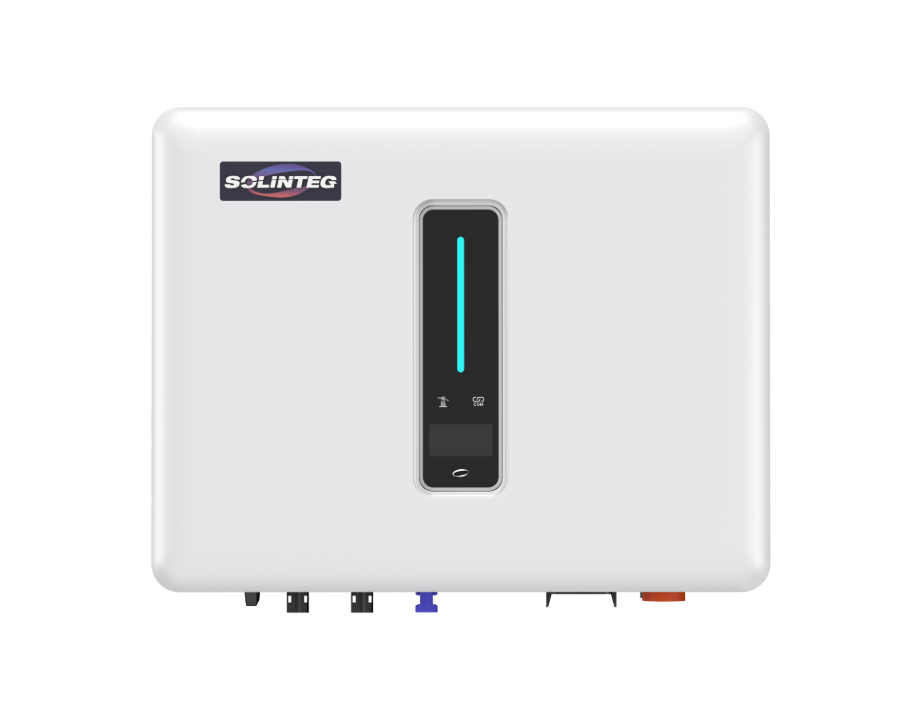
SOLINTEG knows these trade-offs and builds systems that aim for long-term uptime and sensible ROI — practical tools for folks who run things every day. — steady as a plow.