Start with the problem: what you need the tag to solve
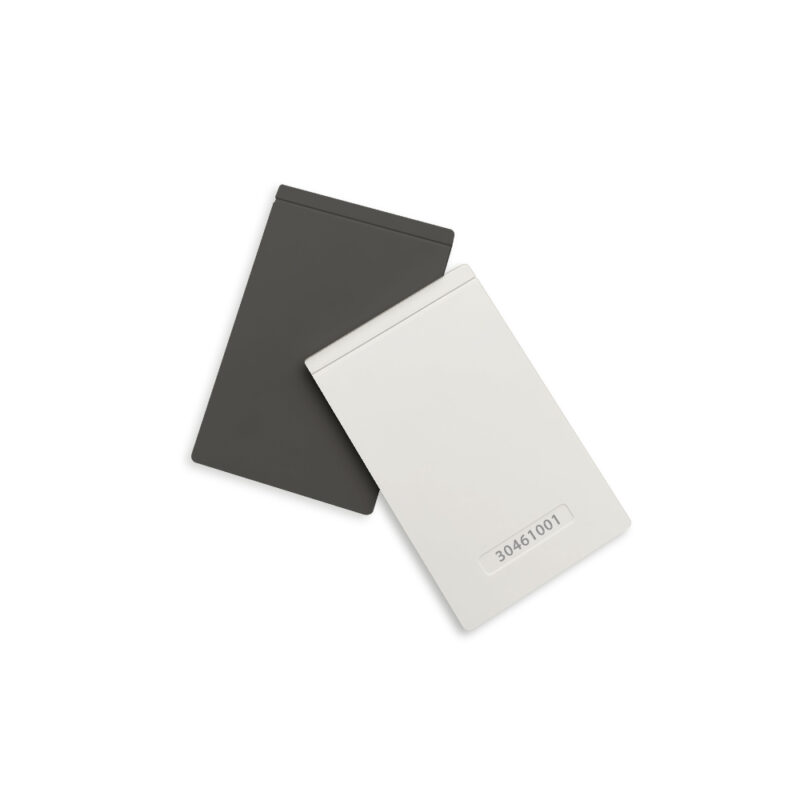
Decide the single failure you can’t accept: lost inventory, missed container reads, or unpredictable battery swaps. Pick hardware that solves that one failure first. If you need continuous asset location across yards or vehicles, look at active solutions and test read cadence early—don’t guess. Start by comparing real products like active rfid tags against the use case rather than the spec sheet. Tighten requirements, then discard anything that doesn’t directly reduce the risk you identified.
Essential technical checkpoints
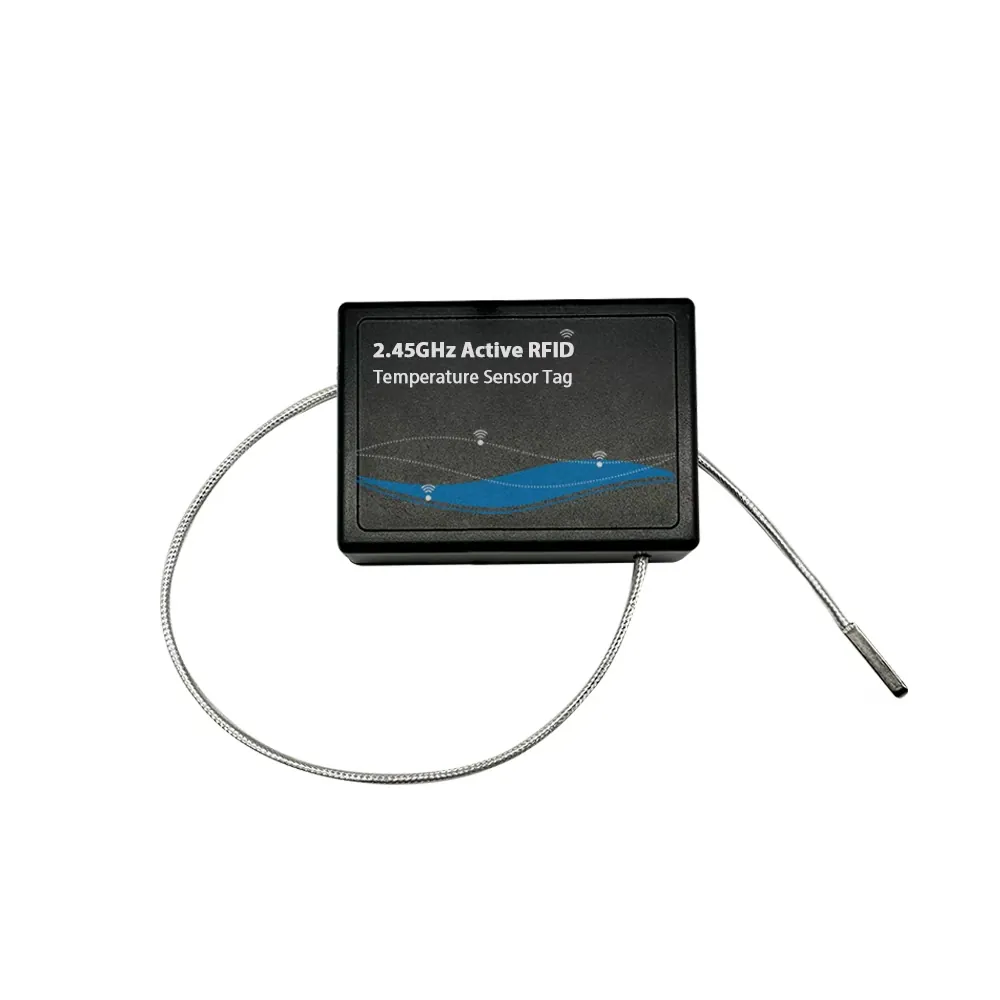
Range and reliable read geometry matter more than raw distance numbers; confirm tag antenna pattern under load. Check battery life at your desired transmit interval and under your temperature profile. Confirm SDKs and integration libraries for your stack—embedded C, Windows, Linux, or mobile. Look at tag sleep/wake modes and provisioning workflows. Verify frequency (2.45 GHz vs alternatives) and regulatory certifications for your target markets. Ask for real-world throughput numbers: reads per minute at planned separation and mounting conditions. Demand IP rating and attachment options that match your environment.
Common pitfalls buyers trip over
Assuming vendor range specs translate to your site; they seldom do. Buying the smallest, cheapest tag and hoping for enterprise reliability. Skipping firmware update paths—software bugs exist and need fixes. Ignoring attachment and placement; metal, liquids, and orientation kill reads. Choosing a tag because it “looks rugged” without shock and ingress test data. Not validating reader + antenna combos under realistic traffic conditions. Overlooking lifecycle costs: batteries, replacement mounts, and integration labor add up.
Alternatives and when to pick them
Passive UHF is cheaper and perfect for short, predictable reads like retail or returnables. BLE beacons win for smartphone-based location but offer shorter range and different infrastructure. Semi-active tags (battery-assisted passive) sit between costs and range. Choose active tags when you require continuous monitoring, multi-second updates across wide areas, or reliable reads through clutter. For mixed problems, design a hybrid: passive for pallets, active for vehicles and high-value assets.
EEAT and a real-world anchor
I’ve overseen integrations that measured tag performance on live yards and warehouses; that hands-on deployment experience matters more than glossy PDFs. Major ports such as Port of Rotterdam have run pilots and published findings showing long-range tracking systems change operational visibility—those deployments are a practical reference point for scale and interference patterns. For long-distance needs, review proven device classes and test samples from the long range active rfid tags to confirm they meet your cadence and environmental demands. Peer-reviewed studies and industry conference reports back these performance patterns; demand test reports and reference deployments before you commit.
Procurement checklist for OEMs and project buyers
Define the single operational failure you must prevent. Require sample trials in your environment for at least one business week. Specify battery life at your required transmit rate and temperature range. Ask for firmware update procedures and source-level access to APIs or SDKs. Confirm regulatory approvals for each target country. Get mechanical drawings and attachment options. Price total cost of ownership: tags, readers, mounts, batteries, integration, and support.
Final synthesis
Pick the solution that removes the specific operational risk you identified, test it under real conditions, and require update paths and transparency from the vendor. When a supplier demonstrates measured performance, open APIs, and installation references at scale, they become a practical partner—one I’d trust for tight operational programs like the ones RSTC supports.