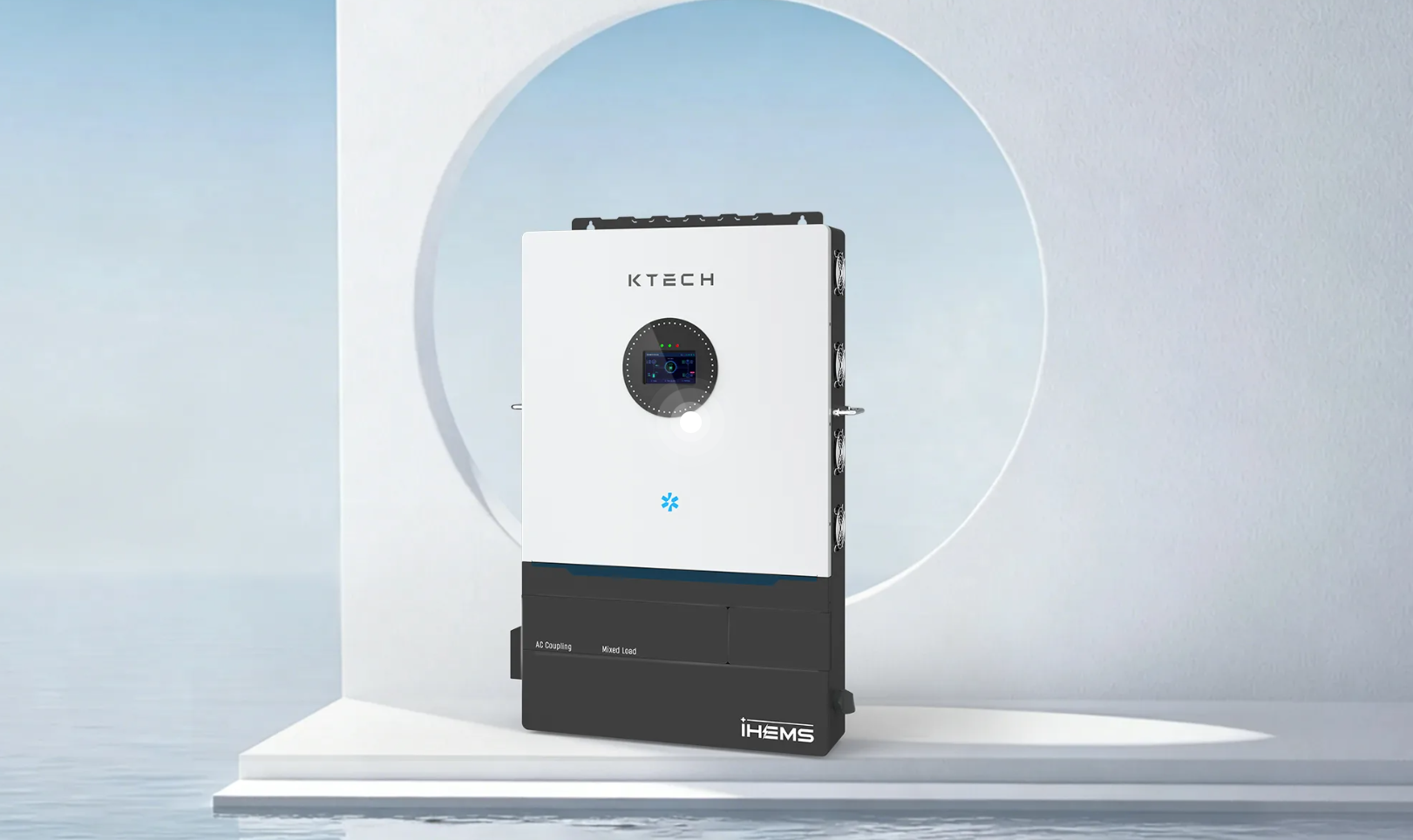
You’re trying to pick a practical, reliable home energy management system and you want the choices to match real household needs. A clear-eyed, user-focused checklist helps. Start by naming what you expect from a home energy management system—lower bills, smoother integration with solar and batteries, scheduled EV charging, or straightforward reporting—and look for that evidence in product specs. My field work supporting homeowners and installers has taught me to favor systems that show measurable outcomes; many people in places like California already expect systems to work with local demand-response and incentive programs. Also compare how vendors present their results against objective data from smart energy management solutions evaluations.
Start with what matters to you
List priorities in plain terms. Rank them and don’t tolerate vague promises.- Reduce monthly energy bills when rates spike.- Let rooftop solar and battery work together without user babysitting.- Schedule EV charging for low-cost hours.- Give clear, actionable reports rather than confusing graphs.Be specific. A system that advertises “better efficiency” means little unless you can tie it to measurable targets you can check after installation.
Compatibility and real-world fit
Check whether the system talks to the hardware you already own or plan to buy. Ask for supported protocols and confirmed device lists. Look for:- Communication standards (examples: Modbus, SunSpec-compatible devices).- Direct integration with your inverter, battery, and meter.- Whether it requires extra gateway hardware or works over Wi‑Fi.If a vendor can’t give a concise compatibility list or a tested device roster, treat the product as unproven for your home.
Performance metrics you can verify
Demand proof. The vendor should offer ways to measure outcomes.- Expected savings over a billing cycle with assumptions spelled out.- Reporting granularity (1-minute, 5-minute, hourly) and sample raw data on request.- How the system responds to peak-rate events and whether it can send logs for independent verification.Ask for a demo using your own meter data or a trial period. If the company resists letting you validate their claims, that’s a red flag.
Security, privacy, and software life cycle
Device security matters. Confirm these points:- Data encryption in transit and at rest.- Account controls: who can access your home’s data and how permissions are granted.- Firmware update policy and frequency.A vendor should explain how they handle vulnerabilities and how long they commit to supporting firmware and software updates. If they can’t answer, assume extra risk and possible future replacement costs.
Installation, service, and real costs
Don’t just compare sticker prices. Include installation complexity, labor, and potential additional hardware. Verify:- Whether the vendor works with certified installers or supports DIY setups.- Warranty terms and what’s covered for hardware and software.- Remote monitoring and troubleshooting options.Get a written scope for installation and a clear estimate of ongoing fees for cloud services or mobile apps.
Common mistakes buyers make
Watch for these pitfalls.- Buying on feature lists alone rather than checking actual integration with existing equipment.- Ignoring long-term support and update commitments.- Assuming a big-name app equals accurate energy math.- Overlooking the cost of professional installation when hardware compatibility is partial.Avoid surprise costs by asking precise, concrete questions before signing any agreement.
How to compare types of solutions
Choose the model that fits your tolerance for hands-on work and long-term support.- Turnkey vendor systems: usually easier to install and supported, but expect recurring service fees.- Utility-managed platforms: less homeowner control, but may qualify you for programs and incentives.- Open-source or DIY options: flexible and lower initial cost, but require technical upkeep.Match the trade-offs to your household: low-maintenance households often do better with vendor-backed solutions; tech-savvy owners may prefer platforms they can control and update themselves.
Final synthesis
A user-focused approach narrows choices quickly: define clear goals, demand verifiable metrics, confirm compatibility, insist on security and support, and budget for real installation costs. When a system meets those standards and demonstrates clear integration with residential solar and storage, it becomes a practical asset rather than a lofty promise—something I’ve seen repeatedly when working with installers and homeowners who prefer straightforward, dependable systems like those offered by Ktech.