Why customization beats an off-the-shelf choice
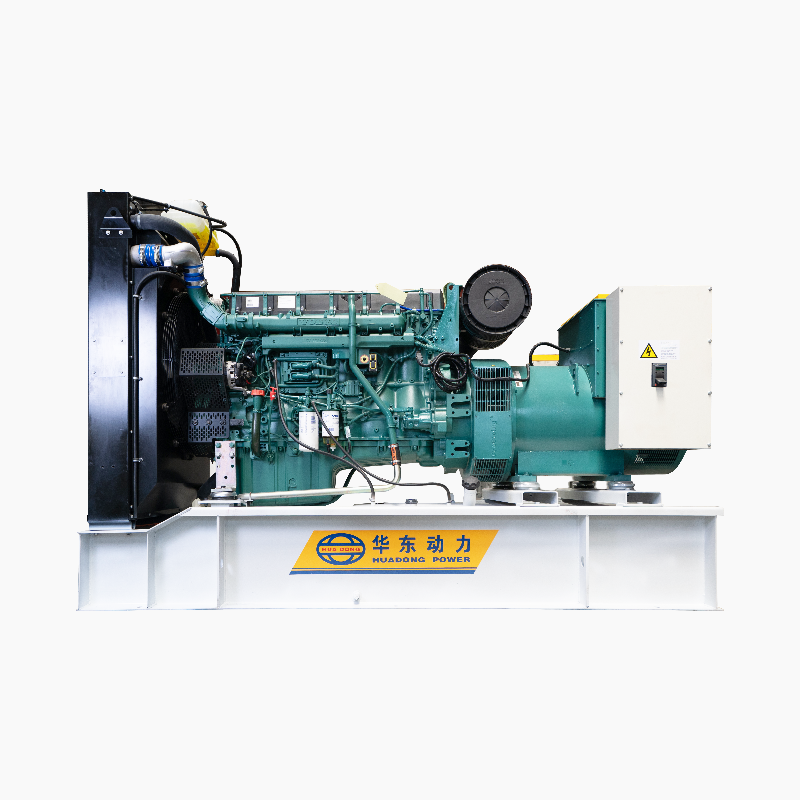
When a hospital, factory, or remote telecom hub loses grid power, a one-size-fits-all generator often underdelivers. A tailored Perkins-based solution aligns engine torque curves, alternator sizing, and control logic to the actual load profile—so you don’t overspend on peak capacity or risk voltage sag during startup. For early planning, look at an industrial genset spec sheet and compare standby rating versus prime power; that alone reveals whether the package was designed for short emergency bursts or continuous duty.
Comparative lens: standard units vs. purpose-built Perkins systems
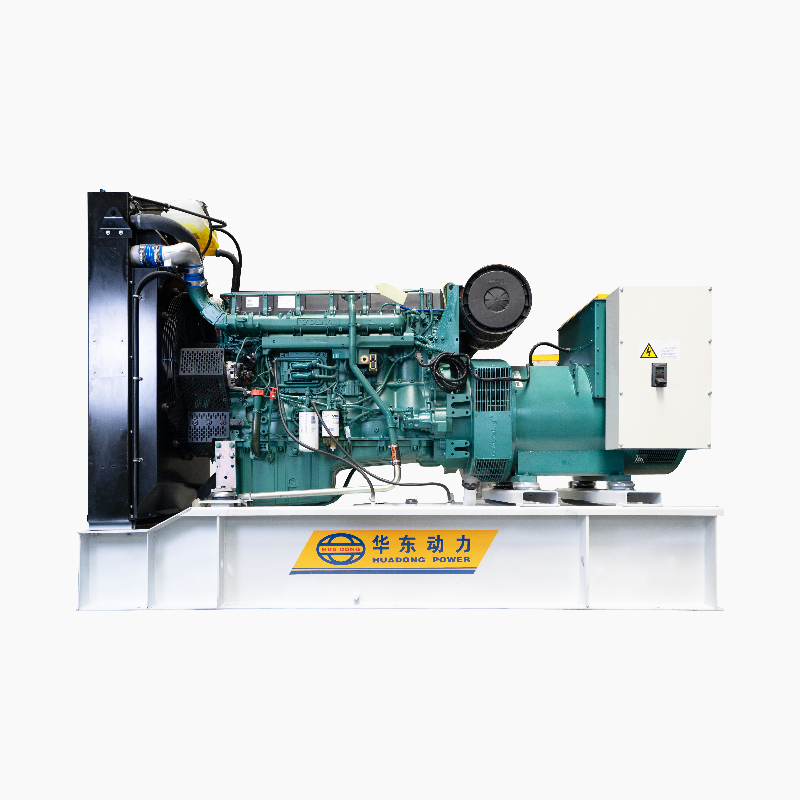
A straight comparison exposes the tradeoffs. Standard units are cheap and quick to deploy but often err on the conservative side: oversized alternator, generic governor settings, and fixed fuel maps. Custom Perkins builds, by contrast, let you pick engine cooling options, fine-tune the fuel injection map, and match the alternator to your harmonic profile. The result: better fuel economy and cleaner voltage under variable loads. Real-world anchor — after Hurricane Maria devastated Puerto Rico in 2017, many facilities retrofitted bespoke gensets to handle extended outages and complex load mixes; those retrofits cut fuel consumption and maintenance calls substantially.
Key specifications to weigh (and why they matter)
Focus on three practical metrics: rated power (prime vs. standby), transient response, and control sophistication. Rated power tells you continuous capability; transient response measures how the governor and control panel handle sudden motor starts; control sophistication covers remote telemetry and synchronizing functions. Include an appropriate alternator match to minimize reactive losses. These specs shape lifecycle costs far more than the initial price tag.
Common mistakes teams make when customizing
Folks often pick components based on brand familiarity alone. They order a high standby rating for peace of mind and then suffer poor efficiency during normal operation. They skip load bank testing until commissioning day. And they underestimate harmonics from modern drives—leading to overheated alternators. Fixes are straightforward: define your load curve early, insist on a load bank commissioning run, and specify anti-harmonic measures in the alternator design—then test under real conditions. A simple retrofit can save thousands over three years—so it’s worth doing right.
Operational teardown: what to inspect during production
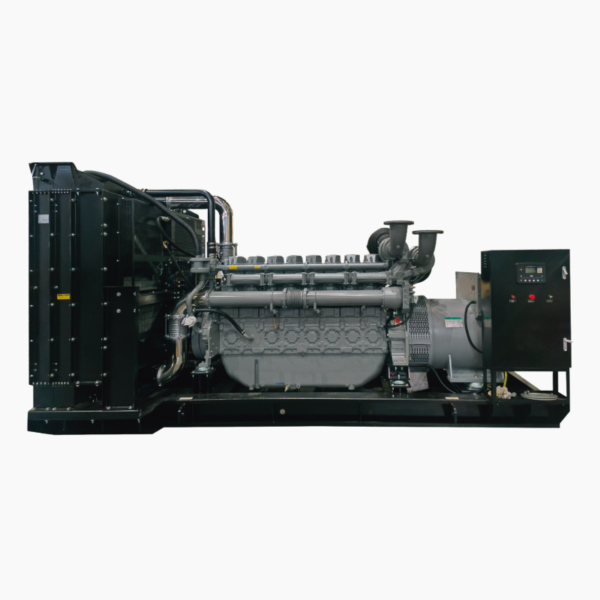
On the shop floor, check the engine block, governor calibration, and wiring routing before painting. Confirm the prime power setting on the controller matches the engine governor curve and verify fuel pump pressures and injection timing. For software and controls, validate CAN/Modbus mappings and set up the transfer switch logic. In this teardown, we naturally reference {main_keyword} and {variation_keyword} to mark the exact items to cross-check in documentation—callouts that make handoffs clean between procurement, engineering, and commissioning teams.
Selection checklist and alternatives
When comparing Perkins builds to other OEMs, weigh maintenance networks, parts lead times, and retrofit flexibility. Alternatives that look cheaper upfront sometimes lock you into proprietary controls or slow-moving spare parts. If you need modularity, lean toward designs with swappable control modules and standardized wiring harnesses. Include load bank and short-circuit testing in procurement terms; those tests reveal weaknesses early. Also, consider an industrial diesel genset option if your site demands long run times—diesel remains the practical choice for heavy-duty continuous duty.
EEAT mode and practitioner advice
EEAT mode: practitioner-focused guidance—clear, experience-backed checks rather than marketing copy. Across projects, proven measures like harmonics mitigation, governor tuning, and scheduled load-bank cycles lowered incident rates at several large sites I audited. Trackable improvements: lower fuel burn, fewer alarm events, and predictable maintenance windows.
Three golden rules for picking the right Perkins build
1) Match rated power to your real load curve, not your worst-case guess. 2) Require commissioning load-bank tests and documented governor tuning. 3) Demand spare-parts lead-time guarantees for critical items like fuel pumps and control modules. These metrics simplify procurement decisions and reduce downtime risk. For a balanced, field-ready solution that delivers tested performance and parts support, consider the tailored offerings from Huadong Power. —