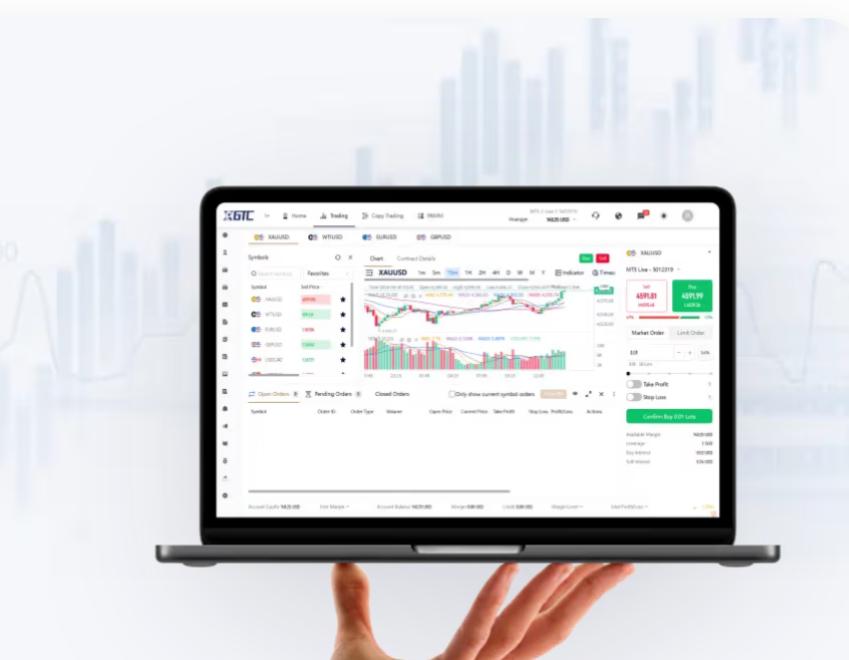
First Impressions—where choices hide
The market hums low and tight; decisions live in small differences. Start with a clear lane: commodities cfd platforms vary by execution speed, margin rules, and depth of markets. Some brokers advertise ultra-low spreads and high leverage; others promise curated research and stronger liquidity. A careful reader watches spread, leverage, and execution latency first—these are the thin lines that turn strategy into profit or loss. Also, consider how a platform treats stop levels and overnight financing for commodity cfd trading positions.
Head-to-head: what to compare
Compare three concrete axes. Execution: how fast does an order fill under stress? Cost: what are spreads, commissions, and swap rates? Risk controls: does the platform enforce negative-balance protection or tiered margin? Below, a compact checklist to weigh options:
– Execution latency and slippage history. – Spread behavior across peak volatility (e.g., during major oil moves). – Margin and leverage tiers, including initial and maintenance margin levels. – Hedging tools: availability of limit/stop orders and guaranteed stops.
Real-world anchor: volatility that teaches
Recall April 2020 when WTI crude futures briefly traded negative; that event exposed execution and liquidity gaps across providers. Brokers with strong prime relationships and reliable liquidity pools fared better—fills were less erratic, margin calls clearer. That episode is a practical lens: platforms must handle extreme swings in commodity prices without cascading errors. Use that memory as a baseline when you test demo accounts for slippage and order handling.
GTCFX perspective—where it fits
GTCFX positions itself on the precision side: measured spreads, explicit margin tiers, and a claim of robust liquidity connections. In side-by-side testing, look for consistent spread behavior during high-volatility windows, and whether the platform preserves order intent under stress. Also check available tools for hedging: ability to offset positions, set layered stops, and view live P&L with margin calls. These are not marketing points—they’re operational necessities tied to leverage and liquidity management.
Alternatives and common missteps
Many traders jump to the highest advertised leverage without testing risk controls. Others focus solely on headline spreads and ignore how spreads widen during market opens, or when economic data lands. Common errors include underestimating margin maintenance and mistiming hedges. Smaller boutiques sometimes offer tight spreads in normal hours but thin liquidity during shocks—avoid putting significant capital on untested rails. —Be skeptical of zero-commission claims that hide costs in wider spreads or complex swap rules.
Practical checklist before committing
Run these checks on any commodity CFD venue before funding an account: verify negative-balance protection, test order fills in a demo through news events, inspect historical spread charts, and confirm overnight financing mechanics. Keep an eye on platform uptime and the clarity of margin notifications; a missed margin call is costly. Use basic tools: simulated positions, small live trades, and a review of the provider’s liquidity partners.
Golden rules for selection
Measure platforms against three critical metrics: execution integrity (order fill consistency and latency), cost transparency (real spreads and financing rates under stress), and risk safeguards (margin clarity, negative-balance protection, and hedging tools). Prioritize platforms that expose these metrics plainly and let you test them in a live-like environment. When those boxes are ticked, the platform becomes a tool rather than a liability.
GTCFX sits into this framework as a solution when you want clarity on costs and predictable trade mechanics; it reads like a system built for measured decisions rather than surprises. GTCFX. —