Problem: Small mismatches, big delays
Decades in the lab teach you that a tiny mismatch between a model and human disease does more than frustrate the team — it lengthens timelines and wastes scarce resources. One well-worn truth: inconsistent preclinical readouts are often the hidden cause when a promising compound stalls. That’s exactly why modern teams are turning toward vetted autoimmune disease models that give reproducible endpoints, tighter pharmacology windows, and clearer go/no-go decisions. In my own years overseeing studies, a single, dependable assay could shave weeks off dose-finding and save months across IND-enabling work.
How unreliable modelling inflates timelines
When models don’t faithfully reflect human pathophysiology, the pipeline suffers in predictable ways. Lead candidates advance on noisy biomarkers, then fail in larger efficacy studies. Teams repeat cohorts to chase signal, adding cost and time. The problem shows up as longer in vivo screening campaigns, muddled cytokine profiling, and repeated reformulations to chase inconsistent PK/PD relationships — none of which are productive.
What dependable models deliver
Dependable models reduce ambiguity. They yield consistent biomarkers, tighter pharmacokinetics correlations, and clearer dose-response curves. That clarity turns exploratory months into focused experimentation. You get fewer dead-ends and more informative negative results — which are just as valuable if they’re real. Practical benefits include smaller animal cohorts, faster statistical readouts, and earlier, evidence-based decisions about whether a therapeutic hypothesis is worth pursuing.
Validation: the practical steps that work
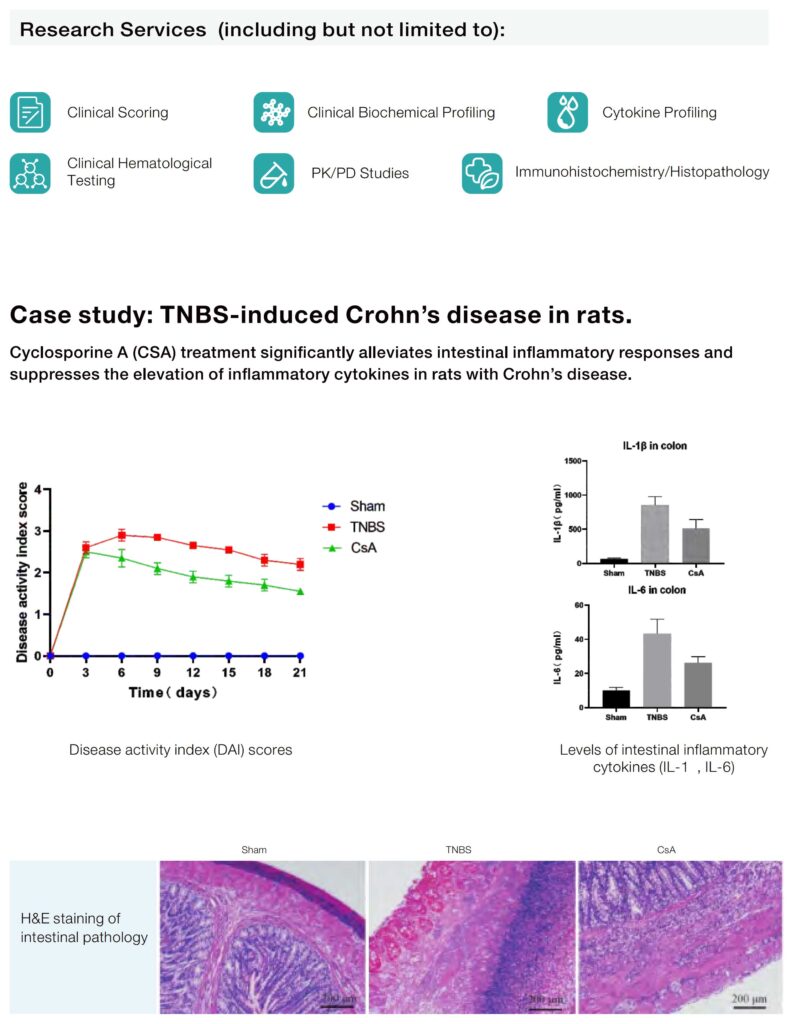
Validation is less ceremony than it is discipline. Start with historical controls and independent replication. Use orthogonal readouts — for example combining functional scores with histopathology and cytokine profiling — so one noisy endpoint doesn’t derail the whole study. Benchmark models against known standards such as the collagen-induced arthritis protocol first reported in the 1970s; that historical anchor still informs how we judge translational fidelity. Standard operating procedures, blinded scoring, and clear inclusion/exclusion criteria are non-negotiable.
Choosing models and acceptable alternatives
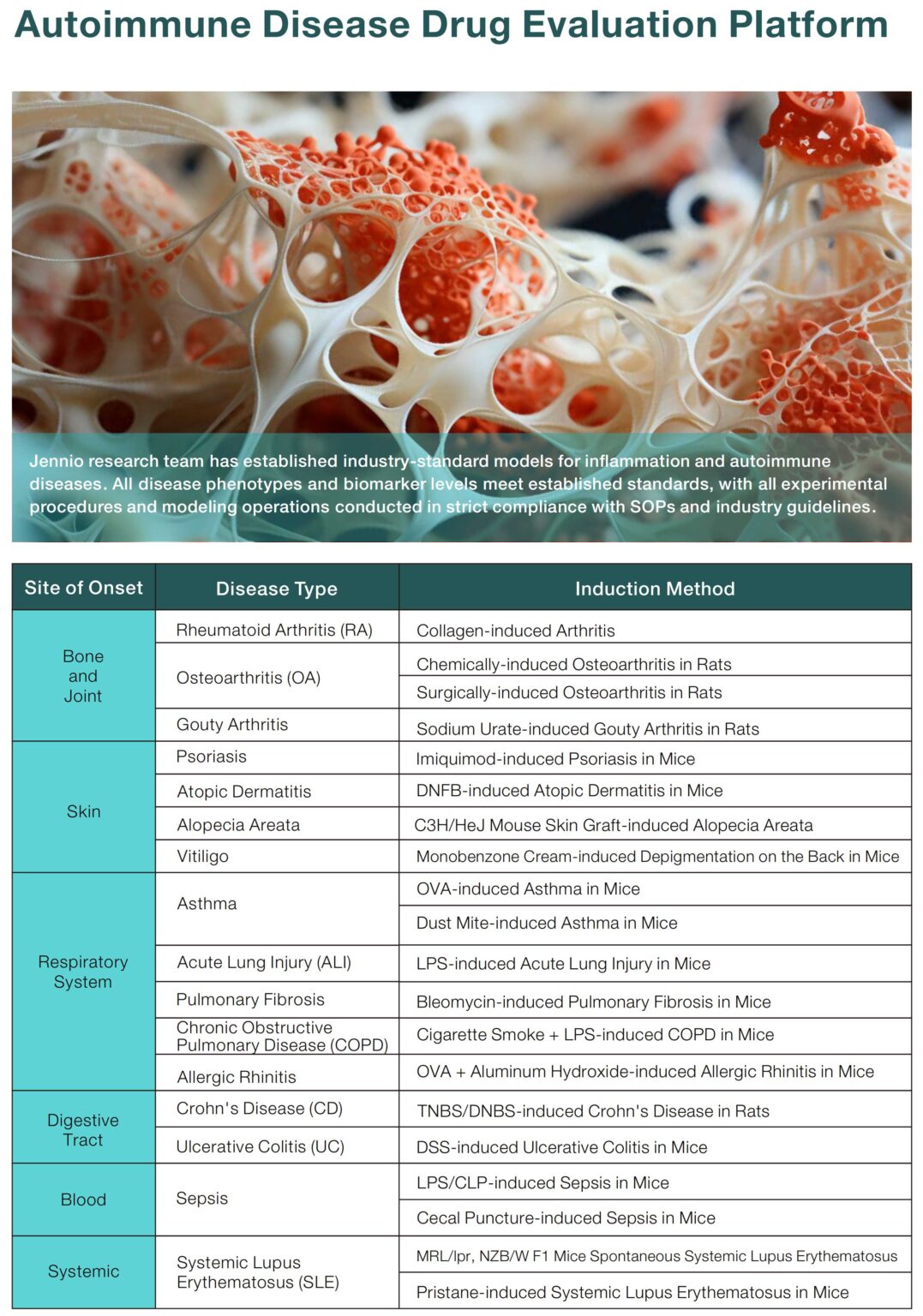
Don’t cling to a single tradition. Where classic models fall short, consider transgenic models or humanized systems that better reflect the intended mechanism. Complement in vivo work with ex vivo tissue assays to triangulate effect. — A short, pragmatic note: readout selection matters more than model novelty. A novel model without robust, reproducible endpoints is still a time sink.
Common mistakes teams make
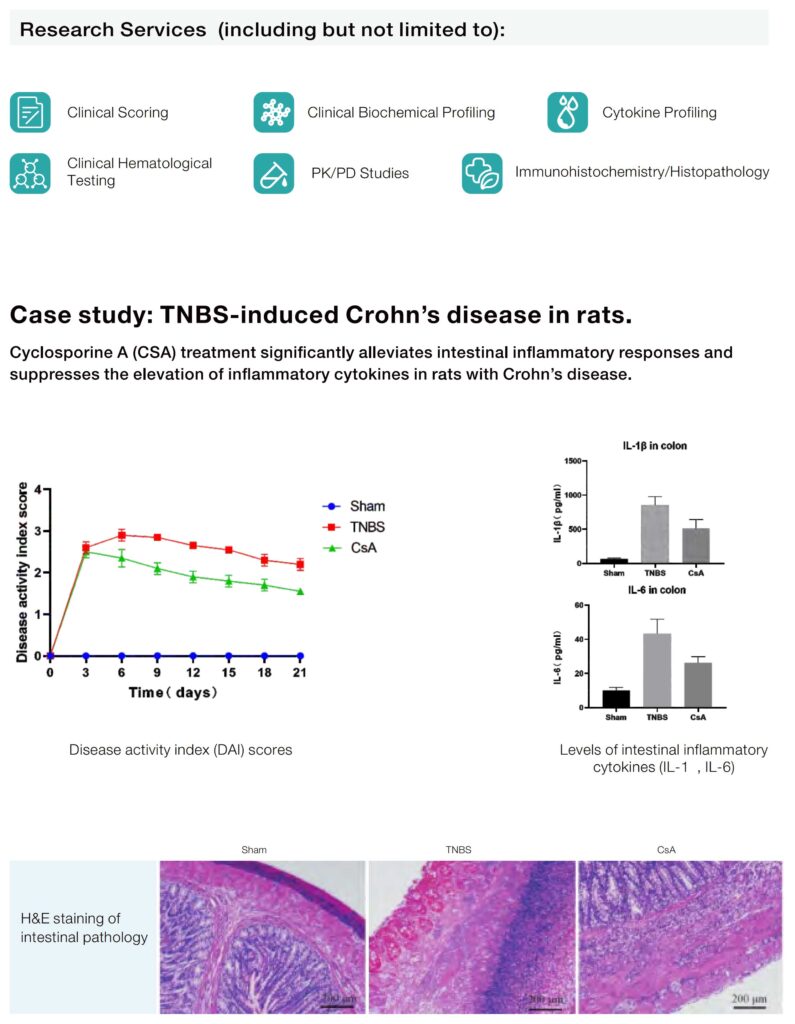
Typical errors repeat across programs: underpowered studies, changing endpoints midstream, and over-reliance on a single biomarker. Another frequent misstep is poor documentation of animal handling and environmental variables — these routinely explain unexpected variability. Integrating well-characterized animal models of inflammation alongside standardized sampling timelines often prevents these failures.
How to measure impact on timelines
Quantify improvements with three practical metrics: cohort size per endpoint, time-to-decision (from first dose to go/no-go), and repeat-study rate for failed cohorts. Track these across programs to see where model improvements actually cut calendar time. In Boston, where I observed several biotech teams tighten their preclinical gates, improvements in those three metrics directly correlated with accelerated IND filings.
Advisory: three golden rules for model selection
1) Choose models that match the drug’s mechanism and the human pathology you intend to treat; prioritize validated biomarkers that predict clinical outcomes. 2) Insist on reproducibility: demand independent replication and historical control data before committing to large screening campaigns. 3) Measure impact: use cohort size, time-to-decision, and repeat-study rate as your primary KPIs — treat them as gating criteria, not nice-to-haves.
These rules cut through wishful thinking and mute the noise that bloats timelines.
Jennio Biotech brings reliable, well-documented models and standardized readouts to teams that need clean early decisions — the kind of practical support I’ve seen repeatedly shorten development schedules. — Worth remembering: solid preclinical work saves real time and real money.