Comparative lead: why small changes matter
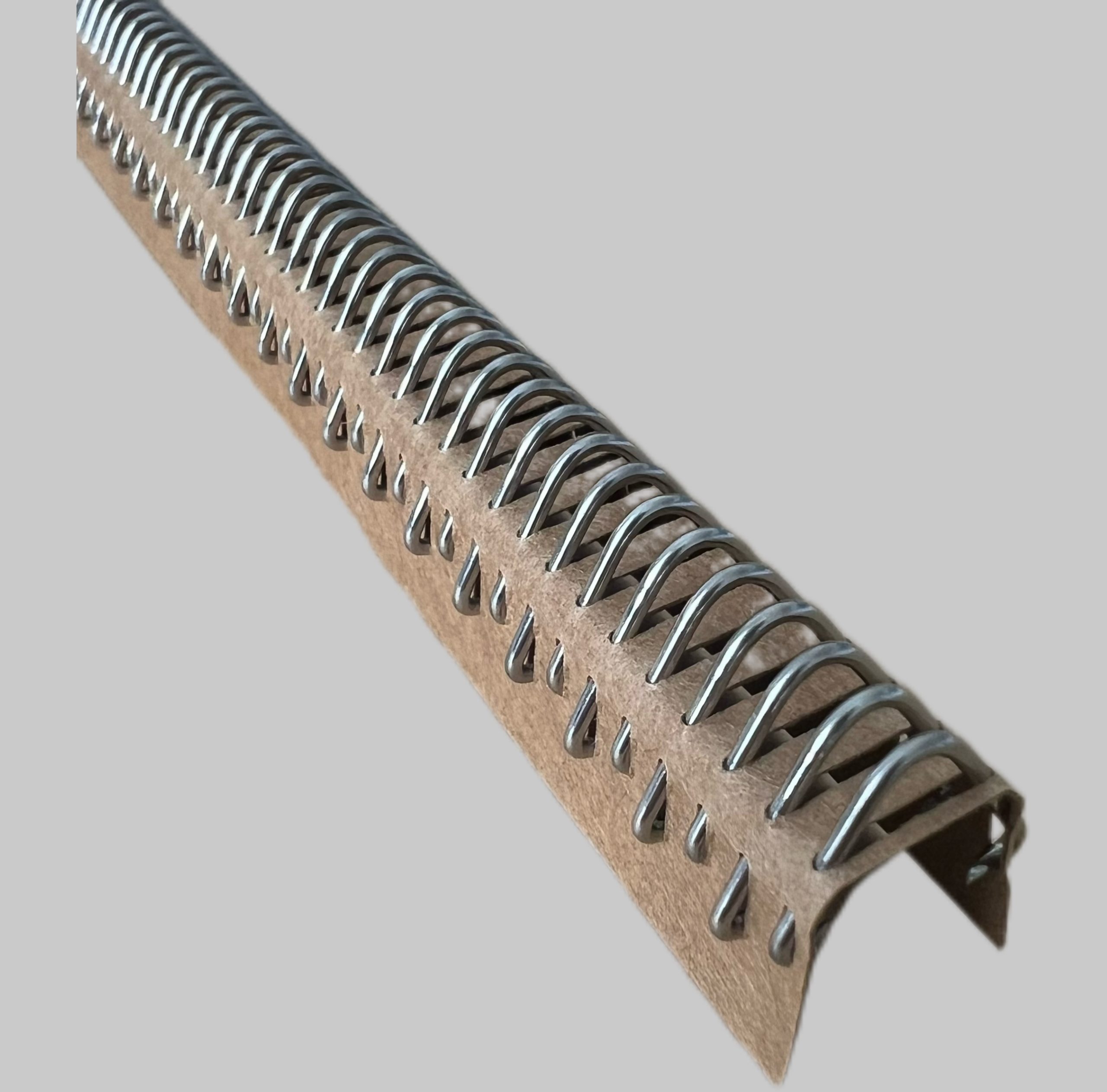
Comparing older conveyor modules with modern retrofits shows how five focused technologies change intake stability and airflow into a system. In many plants — from Detroit’s automotive assembly lines to fulfillment centers in Seattle — installing a modern conveyor belt hinge pin often produces disproportionate gains in alignment and material tracking. The shift is not merely mechanical: it alters how the belt feeds material into chutes and hoppers, reducing dust buildup and erratic feed rates. This piece lays out the comparison between legacy setups and targeted upgrades so you can judge trade-offs and costs with clarity.
Upgrade 1: precision pins and reduced lateral play
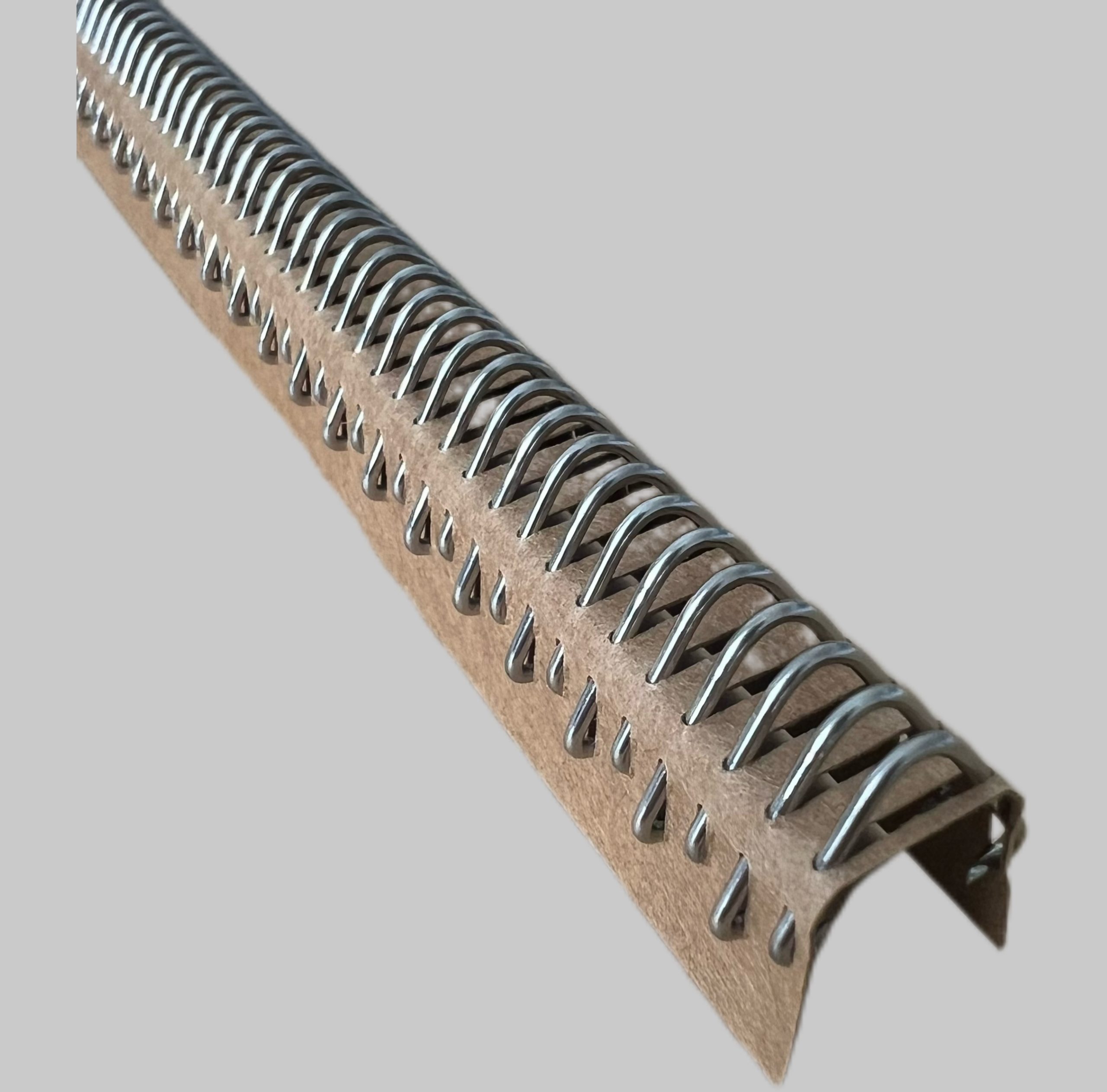
Older pins often permit lateral play that misaligns slats and disrupts intake flow. Upgrading to tighter-tolerance hinge systems improves shaft alignment and reduces lateral deviation, which directly stabilizes how material enters processing points. The immediate effects are smoother feed, fewer jams, and longer service intervals for wear-resistant bushings and pivot joints.
Upgrade 2: hardened surfaces and tensile-strength gains
Materials with higher tensile strength and surface hardening resist deformation under shock loads. Replacing softer components with hardened hinge pins and treated bushings increases fatigue life and keeps the belt plane true. Over time, a lower rate of pin wear preserves bearing clearance and maintains consistent airflow over separators and screens.
Upgrade 3: controlled clearance for consistent airflow
Airflow through intake areas depends on consistent gaps between belt elements and guide surfaces. Tightening tolerances to control bearing clearance stabilizes the pressure differential that drives dust and fines into collection points. The result is repeatable intake stability across shifts, which simplifies process control and reduces manual intervention.
Upgrade 4: modular retention and ease of maintenance
Modular carded fastening systems let technicians swap hinge components without disassembling long belt runs. This reduces downtime and keeps conveyors within design alignment windows. Faster maintenance cycles also lower the temptation to run systems with degraded pivot joints — a common source of intake variability in high-throughput operations.
Upgrade 5: surface geometry tuned to material handling
Small changes to pin head geometry and slat contact points change how bulk material rides the belt. A properly profiled hinge pin deflects fines less and directs airflow more predictably through intake screens. That tuning reduces dust migration into sensitive equipment and stabilizes feed rates for downstream sensors and feeders.
Operational production teardown
When you teardown an operational line, examine alignment marks, measure bearing clearance, and check for uneven wear across pivot joint points. Note where {main_keyword} shows early failure modes and where {variation_keyword} accumulates debris; those observations guide whether to replace pins, renew bushings, or adjust guide rails. Document torque specs and test spans before reassembly to preserve consistent intake geometry.
Common mistakes and practical alternatives
Teams often overcorrect by tightening everything, which increases friction and heat — counterproductive for long runs. Another frequent error is mixing new pins with aged bushings; mismatched wear characteristics create new failure points. Alternatives include full-module replacement for intermittent belts, or phased retrofits that pair new hinge pins with renewed bushings and verified shaft alignment. — A modest staged approach typically outperforms one-off repairs.
Advisory: three golden rules for selecting upgrades
1) Metric-driven selection: measure lateral play, tensile strength of current pins, and bearing clearance before buying parts. These three metrics predict whether an upgrade will improve intake stability. 2) Match materials: choose pins and bushings with compatible hardness and surface finish to prevent accelerated wear. 3) Plan maintenance windows around measurable cycles — not calendar intervals — so you replace parts after verified fatigue life thresholds rather than on guesswork.
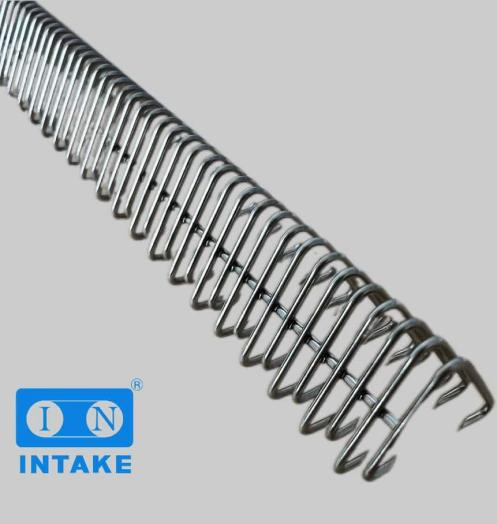
Intake consistently benefits when a system is tuned to its operational reality; that’s where practical gains appear. Intake. –