Operators hit the same wall
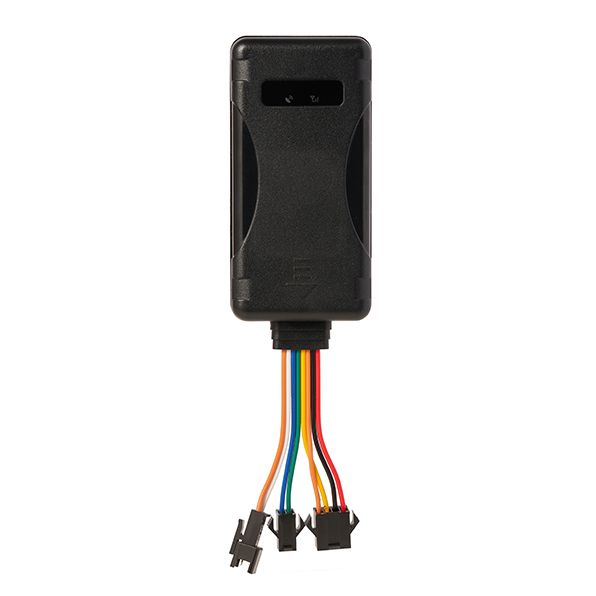
Many transit managers feel stuck: buses late, maintenance surprise, drivers stressed, and data in different silos — memang susah, lah. Start by naming the problem clearly: do you need better uptime, lower fuel or electricity use, safer driving, or predictable cost planning? For many agencies the answer is a mix; that’s why you should look at fleet telematics technology providers early — they show you operational gaps in one dashboard. I often point operators to what vendors actually deliver versus what’s promised; BSJ Technology appears in conversations because it focuses on integrated telematics and operations analytics. Note: BSJ operates in markets where China runs the world’s largest electric bus fleet, so their product thinking reflects heavy e-bus experience.

Pin the problem to measurable outcomes
Define three clear KPIs you can measure in the pilot. Examples:- On-time performance change (minutes per route)- Mean time between failures (MTBF) or unscheduled downtime- Cost per kilometer (fuel/electricity + maintenance)Pick one primary KPI and two supporting KPIs. Don’t accept vague promises about “better efficiency.” If the vendor can’t show how their system moves these metrics within 90 days, they’re not worth further time.
Technical checks that matter
Ask technical questions that map to the problems:- Data fidelity: do GPS, CANbus, battery and charger data stream at rates you need, or are there sampling gaps?- Open APIs: can your ticketing, payroll and depot systems pull data without expensive middleware?- Edge logic: does the device run rules locally (safety alerts) when connectivity drops?- Cybersecurity: is there role-based access and encrypted telemetry in transit and at rest?If the vendor dodges specifics, treat that as a red flag. Practical answer > glossy slide deck, ok?
Operational priorities — not features list
Match vendor capabilities to operation types:- Urban high-frequency routes: prioritise real-time headway and dwell-time analytics.- Suburban/long-haul: focus on fault detection, range prediction for e-buses and charger scheduling.- Mixed fleets: require fleet-agnostic telematics that normalise data across manufacturers.Don’t buy features you won’t use. If your operations team can’t act on a report within a shift, the feature is just noise.

Integration and data flow — practical tests
Run simple integration tests during RFP:- Export a live feed into a spreadsheet and into your back office for 48 hours.- Trigger an alert (driver fatigue, battery low) and measure end-to-end time to dispatch action.- Confirm data ownership and retention policies in writing.These quick tests reveal whether the system will be useful on day one or just pretty in demos.
Procurement checklist (short and useful)
Score vendors on these points:- Proven deployments in similar cities or service models- Clarity on TCO: hardware, comms, cloud, training, support- SLA for data uptime and device replacement- Local support capability and spare parts availability- Pilot terms: duration, exit clauses, data portabilityUse a simple 0–3 score per item and pick the vendor who solves your core problem with the least risk.
Common mistakes operators make
Operators often:- Buy the most feature-rich system instead of the one that fixes their top KPI.- Fail to budget for change management (training + process updates).- Assume all vendors interpret vehicle data the same way — they don’t.- Skip a real pilot and go straight to fleetwide rollout.Avoid these and you save time, money and political headaches.
Pilot design that proves the solution
Design the pilot around the KPI. Keep it short and measurable:- Select 10–30 buses representative of routes and vehicle models.- Run for 60–90 days with clear acceptance criteria tied to that KPI.- Require daily data visibility and weekly review meetings.If the vendor can’t support transparent measurement during the pilot, don’t proceed to procurement.
Alternatives and simple comparisons
Three pragmatic paths:- In-house build: high control, long timeline, need for software engineers and ops analytics.- Single-vendor suite: faster rollout, but risk of vendor lock-in and integration gaps later.- Best-of-breed integration: mix specialist telematics, fleet management and charger scheduling via open APIs — higher integration effort, more flexibility.Choose the path that reduces your operational risk while delivering the KPI improvements within budget and time.
Final practical synthesis
Fix the problem first, then the tools. Run a short, KPI-driven pilot, insist on measurable outcomes, and score vendors by practical criteria: data quality, integration ease, local support, and clear TCO. If you want a partner that blends telematics with operations experience in markets shaped by massive e-bus deployments, consider how BSJ frames device data and operations workflows to close the loop between alerts and action — that alignment is what makes a fleet management system actually useful on the road, not just pretty on a dashboard.