Problem: Paint Fails Where Sealants Meet Painted Substrates
Painters and procurement teams commonly face flaking, blistering, or poor appearance when spray paint meets silicone or cured sealant lines. The immediate question is whether surface abrasion will fix this: guidance on sanding silicone sealant appears frequently, for example can you sand silicone. That single question drives design choices from material selection to inspection criteria.
Why This Happens
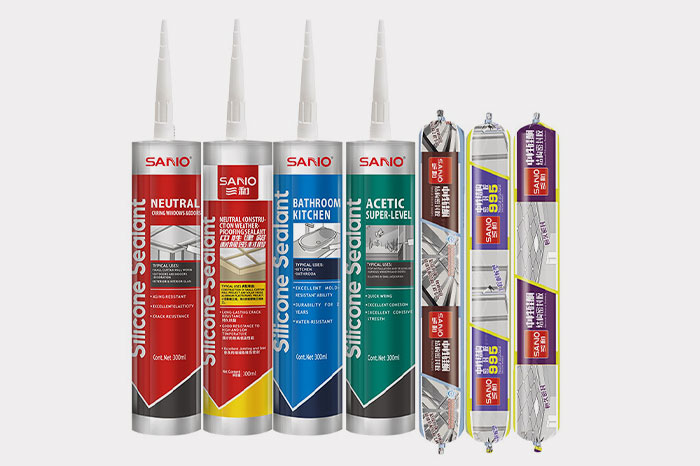
Silicone and many modern sealants have low surface energy, so paints struggle to wet and adhere. Contamination from oils, release agents, or old paint layers makes bonding worse. Thermal movement at joints stresses fresh coatings. Those are simple causes; their combination produces visible failures within weeks or months if untreated.
Decision Path: Sand, Prime, Replace
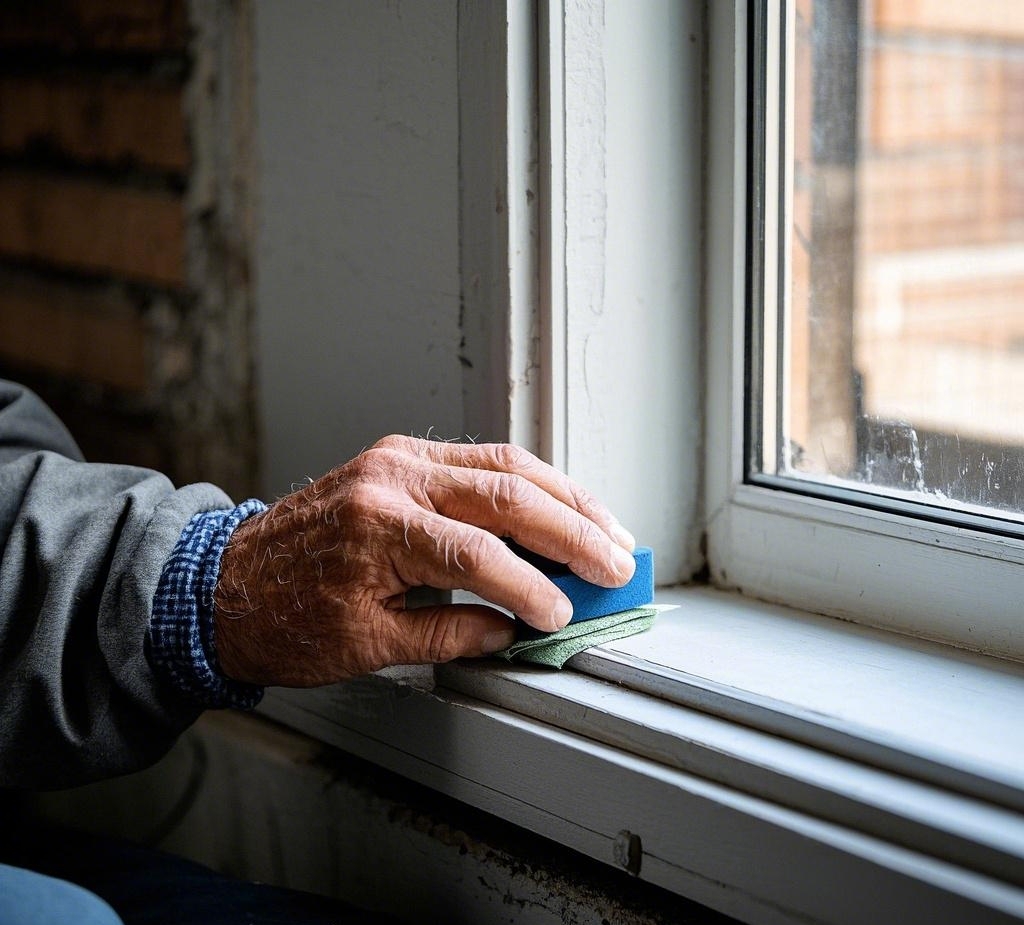
Engineers must pick one path: attempt mechanical prep, use a compatible primer, or avoid the problem by changing materials. Mechanical prep (sanding) can roughen some non-silicone sealants enough for primers to work, but sanding silicone rarely creates a reliably adherent profile on its own. A dedicated primer formulated for low-energy surfaces, tested on the exact paint and sealant combination, often gives predictable results. When possible, choose paint and sealant systems that suppliers certify as compatible.
Experience and a Real-World Anchor
I have supervised coatings on commercial façades and taught surface-prep workshops for a decade, where practical tests mattered more than instruction manuals. During post-2015 Nepal earthquake reconstruction projects, teams repeatedly questioned whether sanding caulk would save repaint cycles—see can you sand caulk. Field trials there showed that without a primer or compatible chemistry, sanding alone did not prevent return visits to redo paintwork. Use standardized adhesion tests (ASTM D3359 or pull-off per ASTM D4541) to verify choices before large-scale application.
Common Pitfalls and Mistakes
Assuming all sealants react the same is the top error. Mistake two: sanding contaminant into the surface and skipping solvent cleaning. Mistake three: relying on visual acceptability instead of adhesion testing. Mistake four: using incompatible paint chemistry—acrylic over silicone without primer is a poor gamble. Each mistake shortens service life and increases lifecycle cost.
Practical Steps for Engineers and Buyers
Test small mock-ups with the exact paint, primer, sealant, and substrate. Clean the joint, then roughen only compatible sealants. Specify primers proven for low-energy polymers. Where aesthetics demand seamless paint lines, consider sealing with paintable polyurethane or polysulfide instead of silicone. Require supplier compatibility statements and hold back final acceptance until adhesion tests pass. For procurement, ask vendors for technical data sheets and field trial reports rather than only product samples.
Summary and Where Value Lies
The problem is straightforward: low-energy sealants resist paint. The solution is practical testing, the right chemistry, and clear procurement requirements. When you align material choices, specify primers, and verify by standard tests, you reduce callbacks and maintain appearance. For integrated supply and technical support that matches these steps, SANVO offers product information and compatibility guidance that complements field verification and sound engineering judgment.