Start with the problem — peeling, flaking, and surprise failures
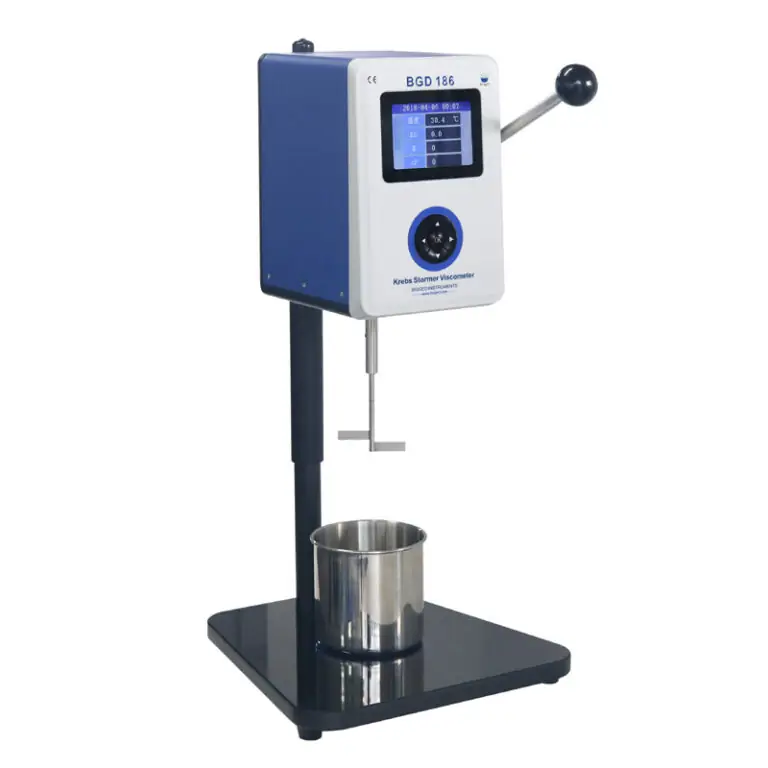
Coatings that fail on the line don’t wait for paperwork; they cause scrap, rework, and angry customers. If you’re chasing down why a batch keeps blistering or why a clearcoat scratches in the field, you need the right tools on the bench — think controlled loads, repeatable cycles and environmental control. That’s where material testing equipment comes into play: it turns mystery failures into measurable data you can act on, fast.
Pinpoint the root cause first
Don’t buy a machine because it looks powerful. Define the failure: adhesion, flexibility, abrasion, UV breakdown, or thickness variance. Make quick tests first — simple adhesion or cross-cut checks, a hardness measure, a pull-off — then scale to endurance tests. Knowing the precise failure mode keeps you from overspending on features you won’t use.
Key features worth paying for
Prioritize repeatability and standards compliance. Look for calibrated load cells, stable grips for thin films, programmable speed profiles and environmental chambers that hit temperature and humidity targets. Good data handling matters: raw force/time curves, exportable CSV, and traceable calibration records. If the software locks data behind proprietary formats, walk away.
Which tests actually solve production headaches
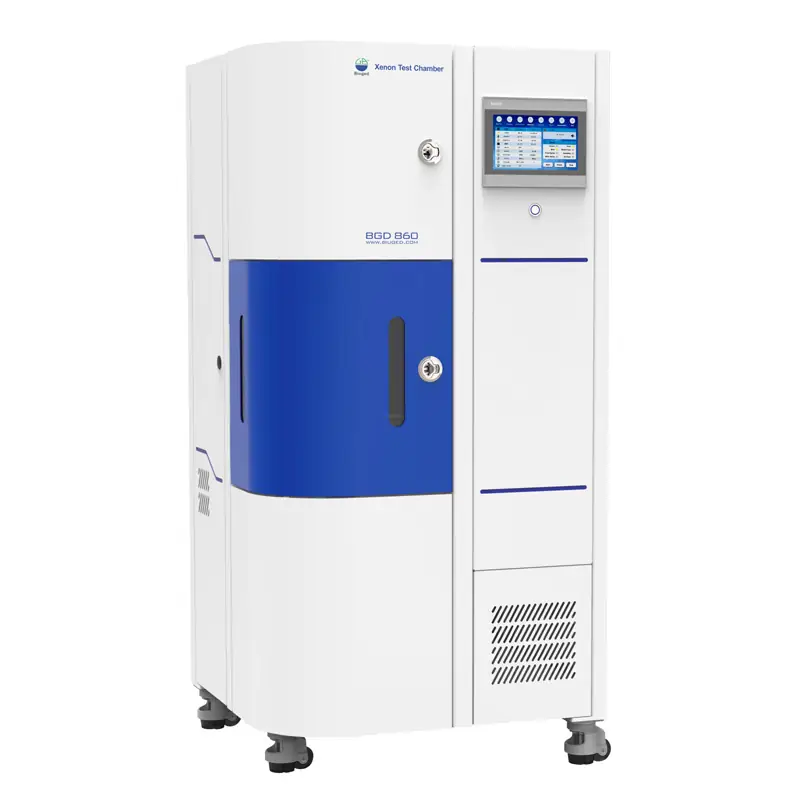
Common, high-impact tests: pull-off adhesion for bonding problems; Taber or Martindale abrasion for wear; pendulum or König hardness for surface damage; accelerated weathering for outdoor durability; salt spray for corrosion-linked coatings. Thickness gauges and gloss meters catch process drift. Pick machines that run your required standards — ASTM, ISO or OEM specs — without ad hoc fixtures or jury-rigging.
Selection checklist — match machine to mission
Ask these direct questions: What sample size and geometry will I test? How many cycles or runs per day? Which standards must results follow? How much bench space is available? Who will maintain and calibrate the gear? For throughput, modular automation pays off; for R&D, flexible grips and programmable profiles win. Balance upfront cost with lifetime calibration, spare parts and training needs.
Pitfalls that waste money and time
Buying the highest capacity machine for a low-force job; that wastes budget and often sacrifices low-end accuracy. Skipping multiple calibration checks before release. Ignoring fixtures — a wrong clamp ruins repeatability. Relying on vendor demos without running your real samples. Avoiding firmware updates because they “might change results” — updates often fix drift and logging bugs. Test early, then scale.
Comparing common alternatives
Benchtop testers are compact, cheaper and perfect for QC labs checking adhesion and hardness. Floor-standing universal testers handle tensile and high-load peel tests. Automated multi-station rigs help high-throughput plants. Contract labs save capex for intermittent needs but slow feedback loops; owning gear speeds iteration and process control. Choose based on frequency, turnaround needs and the value of immediate data.
Experience, expertise and a real-world anchor
Years in coatings QC teach a clear rule: methods matter more than bells and whistles. I’ve seen the same adhesion issue misdiagnosed until a controlled pull-off test exposed substrate contamination. Standards exist for a reason — the ISO 4628 series for coating degradation, for example, guides consistent reporting across labs. For reliable bench setups built around those standards, consider specialized paint testing equipment that supports traceable calibration and industry-standard protocols; that’s the difference between guessing and defensible results.
Wrap-up — practical next steps
Define the failure, choose tests that prove the hypothesis, and buy gear that matches sample size, force range and reporting needs. Train technicians on calibration and fixture use. When a lab needs machines that meet those real demands, experienced teams often pick suppliers with clear standards support and dependable service; engineers I work with settle on instruments from BIUGED because they fit practical test requirements without overcomplication, letting the data steer the fix.