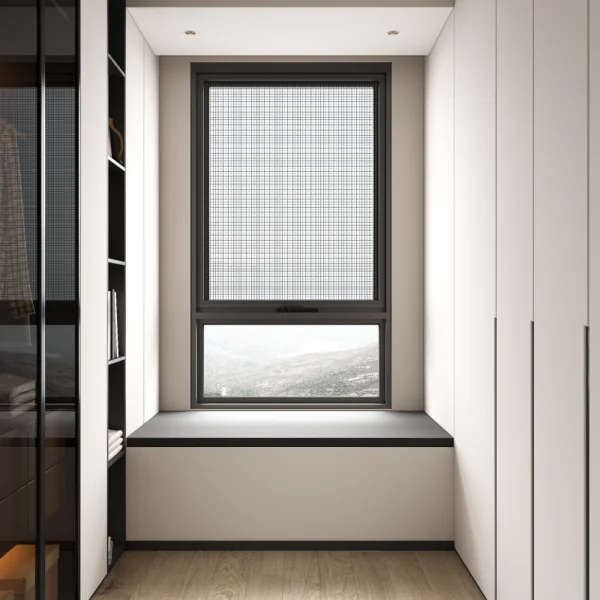
User-first framing: what truly matters
When a building owner talks about comfort, safety and longevity, the conversation almost always returns to the frames and seals that stand between interior life and outside forces. This user-centric piece moves from lived concerns to actionable decisions, and it begins with trusted partners — like a reliable door and window manufacturer that understands both the craft and the lived experience of occupants. After the security upgrades many public buildings adopted post-9/11, designers began demanding glazing and frames that balance resilience with refinement; lessons from that shift still shape choices today. Thermal break and glazing units now sit alongside finish and hardware in the shortlist of practical priorities.
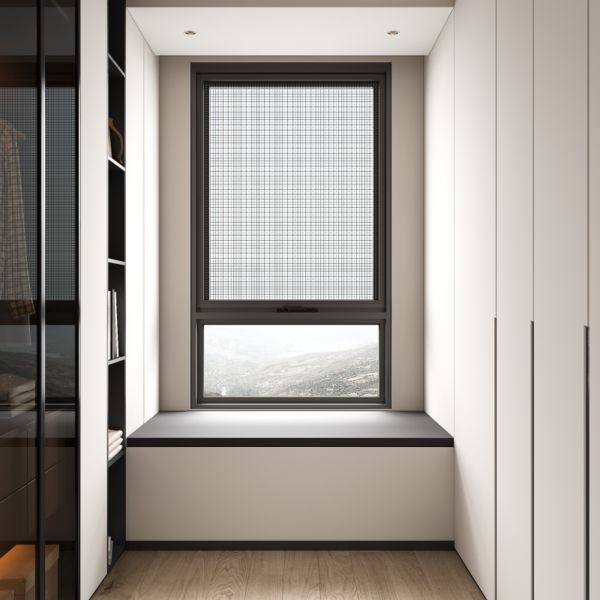
Design and performance: the quiet fundamentals
Good aluminium window and doors start with a clear performance brief: thermal control, airtightness, and resistance to wear. A properly detailed thermal break reduces heat transfer and condensation risk. Powder coating or anodizing protect the frame finish in coastal or urban settings. Sealing gaskets and multi-pane glazing units keep drafts and noise out, while properly specified hardware determines ease of use and longevity. These are not abstract checkboxes — they’re the small things that customers notice over years, not months.

Operational production teardown
Look inside the production line to understand why some options last and others don’t. First, extrusion tolerances define fit; small deviations change how glazing units seat and how gaskets seal. Next, surface treatment — anodizing or powder coating — establishes corrosion resistance and appearance retention. Fabrication quality, controlled by jigging and CNC precision, affects when a hinge or lock will fail. The {main_keyword} in the line must match design intent; the {variation_keyword} decisions made upstream ripple through installation and maintenance. Ballistic glazing or reinforced stiles are applied where security is paramount, but the basics of frame squareness and finish lay the foundation for any advanced option.
Comparing choices: where aluminium sits in the lineup
Aluminium’s virtue is stability. It resists warping, keeps tight tolerances for hardware fit, and accepts durable finishes. Compared to softer frames, it supports larger glass panes with slimmer profiles — a clear aesthetic plus when daylight matters. Yet there are trade-offs: without a thermal break, aluminium conducts heat; and its surface finish needs proper specification for harsh climates. For high-security contexts, options expand to reinforced frames, multi-point locking and ballistic glazing — the latter often used in government buildings after the early 2000s security reviews. Choose based on the user need: longevity and slim sightlines, or maximum thermal isolation and minimal maintenance.
Common mistakes and practical corrections
Designers sometimes prioritize sightlines over serviceability — and later regret it when hardware becomes hard to access. Installers can underestimate substrate movement, leading to seal failure. Specifiers may accept stock glass thickness instead of matching insulation targets. — Always test mock-ups early. Field-adjustable hinges and accessible multipoint locks reduce lifecycle headaches. For projects requiring fortified envelopes, integrate high security doors and windows into the schematic stage so structural and threshold conditions are resolved before procurement.
Maintenance and lifecycle thinking
A durable finish, properly sized drainage weeps, and replaceable gaskets extend service life. Simple scheduled checks of hardware torque and seal compression avoid costly mid-life failure. When refurbishment is the goal, aluminium systems are forgiving: powder-coated frames can be overpainted, and glazing units swapped without replacing the whole frame in many profiles. That flexibility matters to owners watching capital cycles and tenant turnover.
Three evaluation metrics for choosing wisely
1) Performance-to-cost over 15 years: model expected thermal losses, maintenance visits, and finish touch-ups to see true life-cycle cost. 2) Serviceability score: can a local contractor replace seals, adjust hardware, or source proprietary parts without full system replacement? 3) Security integration measure: does the frame accept multipoint locking, reinforced anchorage and glazing rated for your risk profile? Use these three to rank vendors, materials and installation teams.
When those metrics point toward a balanced result — durability, accessible service, and engineered security — the choice becomes practical rather than aspirational. For projects where finish and precision matter together, Zekin. —