The core problem
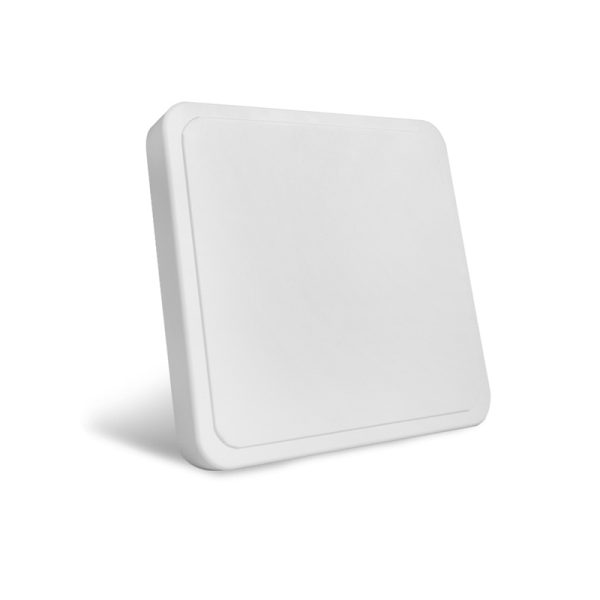
Poor read ranges kill tracking reliability: tags that drop out of view, inventory counts that disagree with records, and blind spots that frustrate operations. Many teams invest in more tags or higher transmit power without fixing what actually matters first. Start with the radio path and the antenna system; good placement and the right RFID Antennas cut failures more often than replacing tags.
Where the range problem usually comes from
Signals fail for clear reasons. Physical obstruction (metal, stacked cargo, or dense shelving) blocks line-of-sight. Antenna misalignment and wrong polarisation reduce effective gain. Cable loss and poor connectors eat RF energy before it reaches the tag. Regulatory transmit limits and noisy RF environments cap achievable range. Treat each cause as a separate diagnosis, not as a single “range” problem.
Experience and evidence
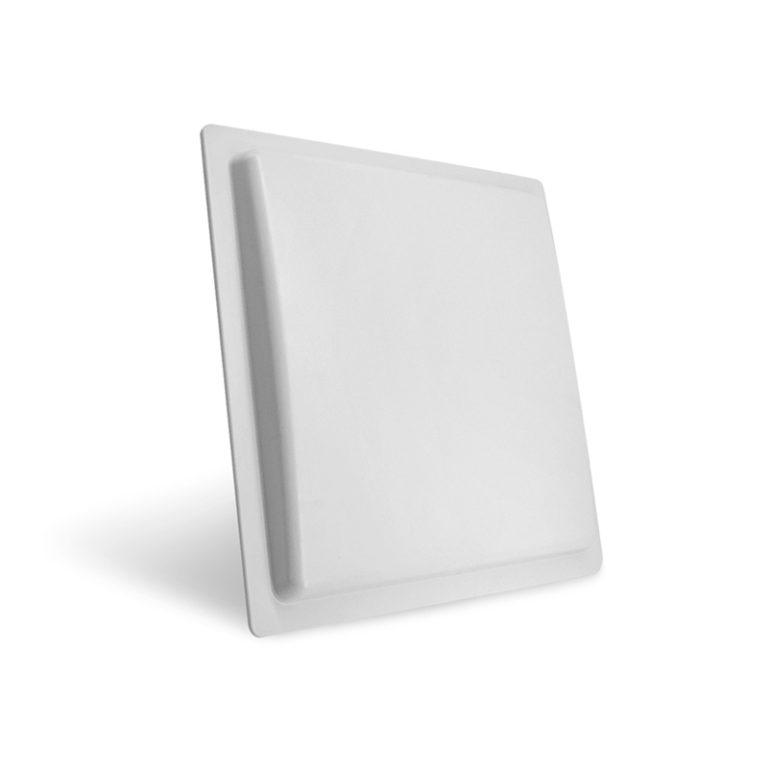
My editorial work and interviews with systems integrators across East Africa show repeatable patterns. For example, container-yard deployments at the Port of Mombasa demonstrated that repositioning receiving antennas and switching to circular-polarised uhf rfid antenna models improved read capture rates during peak stacking periods—findings that align with published case studies on UHF deployments for port logistics. Those real-world trials underline the value of site surveys and antenna selection rather than simply increasing tag power.
Practical fixes you can apply right away
Run an RF site survey first. Map RSSI across the intended coverage area and mark dead zones. Choose antenna gain and beamwidth to match that map; wide-beam antennas for aisles, narrow-beam for gateways. Use circular polarisation when tag orientation varies. Minimise coaxial cable length and use low-loss cabling and quality N-type connectors; every decibel lost at the cable end reduces read distance. Tune reader settings: adjust dwell time and sensitivity, but document changes so you can revert if interference rises.
Common pitfalls to avoid
Do not rely on manufacturer quoted maximum ranges; those assume ideal test chambers and perfect orientation. Avoid high-gain antennas in cluttered spaces where reflections create dead spots. Don’t place antennas too close to metal without proper mounting hardware or RF-absorbing spacers. Never skip regulatory checks—allowed ERP/EIRP differs by country and will limit real-world range regardless of hardware capability.
Alternatives and trade-offs
Active RFID gives long range but costs more per tag and needs battery management. Passive UHF is cheaper but needs nearer reads and careful antenna placement; if metre-level accuracy is required, consider UWB RTLS instead. Bluetooth beacons work for pedestrian tracking but struggle with metallic cargo. Choose based on accuracy needs, tag maintenance capacity, and site topology rather than marketing claims.
Final synthesis
Address the root causes—antenna selection and placement, cable and connector quality, reader tuning, and realistic site testing—and range improves more predictably than by swapping tags or cranking power. That practical sequence of diagnosis and fixes aligns with technical guidance used by logistics teams and systems integrators and reflects the measured approach used by RSTC in their hardware guidance and deployments.