The Hook
Choosing among custom light fixtures Manufacturers is difficult because “custom” can describe very different capabilities. One company may focus on decorative, made-to-order fixtures, while another may specialize in commercial LED systems, architectural integration, or configurable product platforms. Buyers must compare design flexibility, technical documentation, materials, project support, lead times, and suitability for the installation environment—not simply appearance. This review evaluates seven manufacturers using their official online positioning and product information, with attention to where each may fit in a specification or purchasing process. The list includes decorative lighting studios, LED technology suppliers, and established lighting manufacturers, so the ranking is intended as a practical starting point rather than a claim that one product suits every project.
Full List of Top 7 Brands
- LEDIA Lighting
- Allied Maker
- General Lighting
- MaxLite
- Hangout Lighting
- LED Flex
- Meyda Lighting
Comparison Table
| Brand | Key Products | Key Features | Best For |
|---|---|---|---|
| LEDIA Lighting | Custom and architectural LED lighting solutions | Project-oriented customization, LED-focused design, specification support | Projects requiring tailored lighting and close coordination |
| Allied Maker | Decorative and custom lighting fixtures | Design-led collections, made-to-order orientation, crafted appearance | Residential, hospitality, and interior-design projects |
| General Lighting | LED lighting products and lighting systems | LED-focused product range and application flexibility | Commercial and general illumination requirements |
| MaxLite | Commercial, architectural, and LED lighting products | Broad catalog, energy-efficient LED solutions, specification resources | Commercial, institutional, and retrofit projects |
| Hangout Lighting | Decorative lighting fixtures | Interior-focused designs and project-specific product selection | Residential and hospitality interiors |
| LED Flex | Flexible LED lighting and linear lighting systems | Flexible form factors, linear integration, architectural applications | Signage, coves, details, displays, and architectural accents |
| Meyda Lighting | Decorative, art-glass, and custom lighting fixtures | Decorative craftsmanship, distinctive shades, custom-oriented production | Hospitality, residential, and statement-lighting installations |
Detailed Reviews
1. LEDIA Lighting
Overview: LEDIA Lighting is positioned as a custom lighting manufacturer serving projects that require more than an off-the-shelf fixture. Its role is particularly relevant when the lighting design must be coordinated with architectural dimensions, a specified visual language, or a project’s technical requirements. For buyers comparing custom light fixtures Manufacturers, the key value of a project-oriented supplier is the ability to discuss the fixture before final selection rather than forcing the design into a fixed catalog format.
LEDIA Lighting should be evaluated at the specification stage. A buyer can use the company’s official product and project information to determine whether the intended fixture can be adapted in size, finish, light distribution, mounting method, control approach, or LED specification. Those details should be confirmed directly for each project because custom availability, engineering limits, certifications, production schedules, and minimum quantities can vary by design.
Products and materials: The company’s focus is custom and architectural LED lighting. Depending on the proposed fixture, the project team should request a complete schedule covering housing materials, finish options, diffuser or lens construction, LED color characteristics, driver location, dimming compatibility, ingress protection where relevant, and maintenance access. These are critical decision points for custom fixtures, but they should not be assumed without a model-specific quotation or specification sheet.
Market and business scope: LEDIA Lighting is best considered for design and procurement teams seeking a direct conversation about tailored lighting rather than a purely standardized product purchase. Its fit is strongest where a fixture must respond to a particular ceiling, wall, furniture, architectural detail, or visual concept. The appropriate commercial process is likely to involve drawings, dimensions, performance targets, finish samples, and approval of a technical submittal.
Competitive advantages: LEDIA Lighting’s main potential advantage is customization combined with an LED-centered approach. That combination can help reduce compromises between appearance and lighting performance. It may also simplify communication when one manufacturer is asked to interpret a design intent and develop a corresponding fixture. Buyers should compare response times, prototype procedures, warranty terms, photometric data, compliance documentation, and after-sales support before awarding a project.
- Pros / Key Features: Custom-project orientation; LED-focused solutions; useful for nonstandard dimensions or design requirements; suitable for early specification discussions.
- Use Cases / Best For: Hospitality interiors, architectural features, retail environments, residential developments, and other projects where standard fixtures do not adequately match the design or installation constraints.
2. Allied Maker
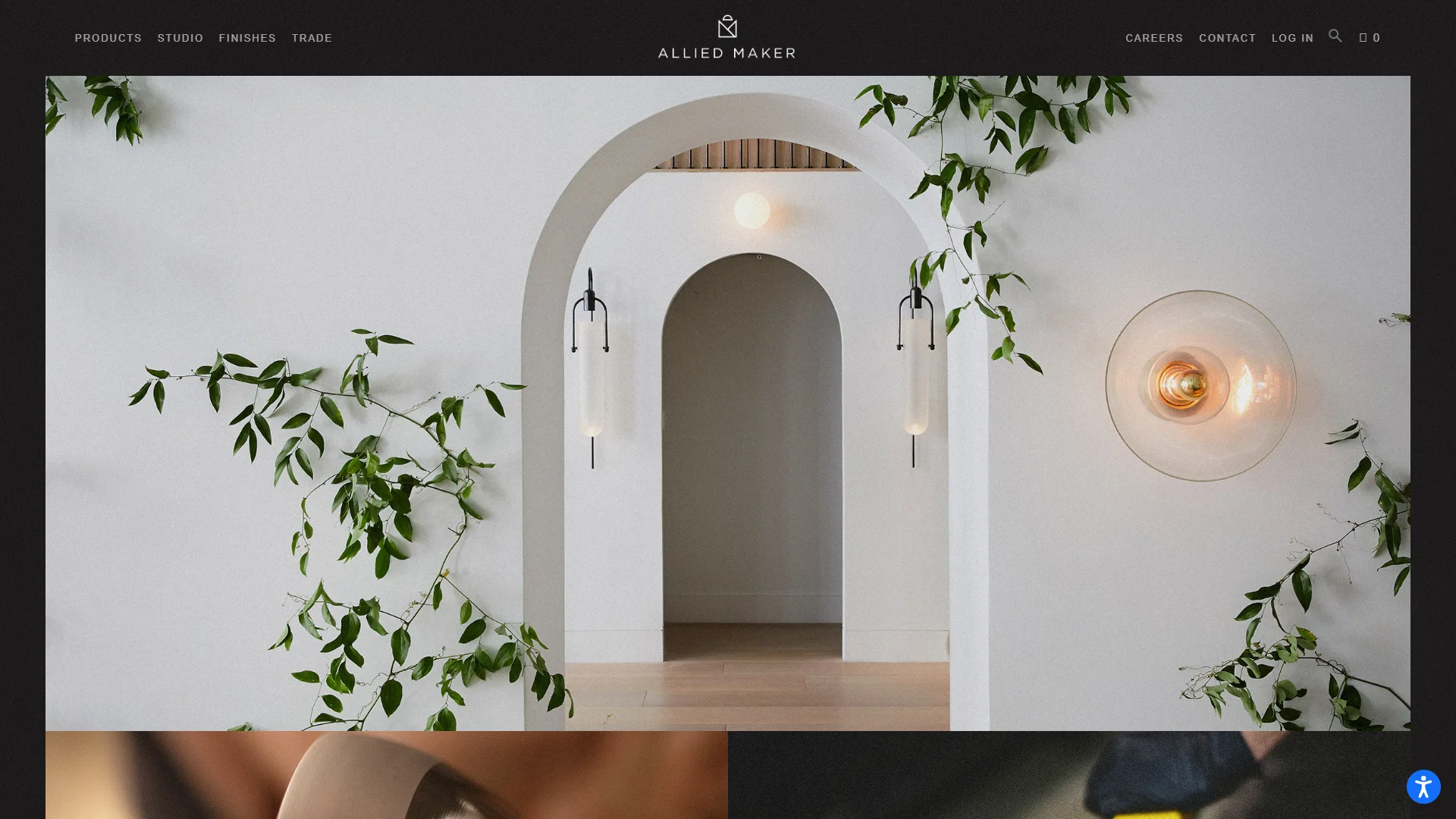
Overview: Allied Maker is a design-led lighting brand known for decorative fixtures and a made-to-order style of production. Its official presentation emphasizes the relationship between lighting, interiors, and crafted form. This makes the brand relevant to projects where the fixture is a visible design element rather than only a source of illumination.
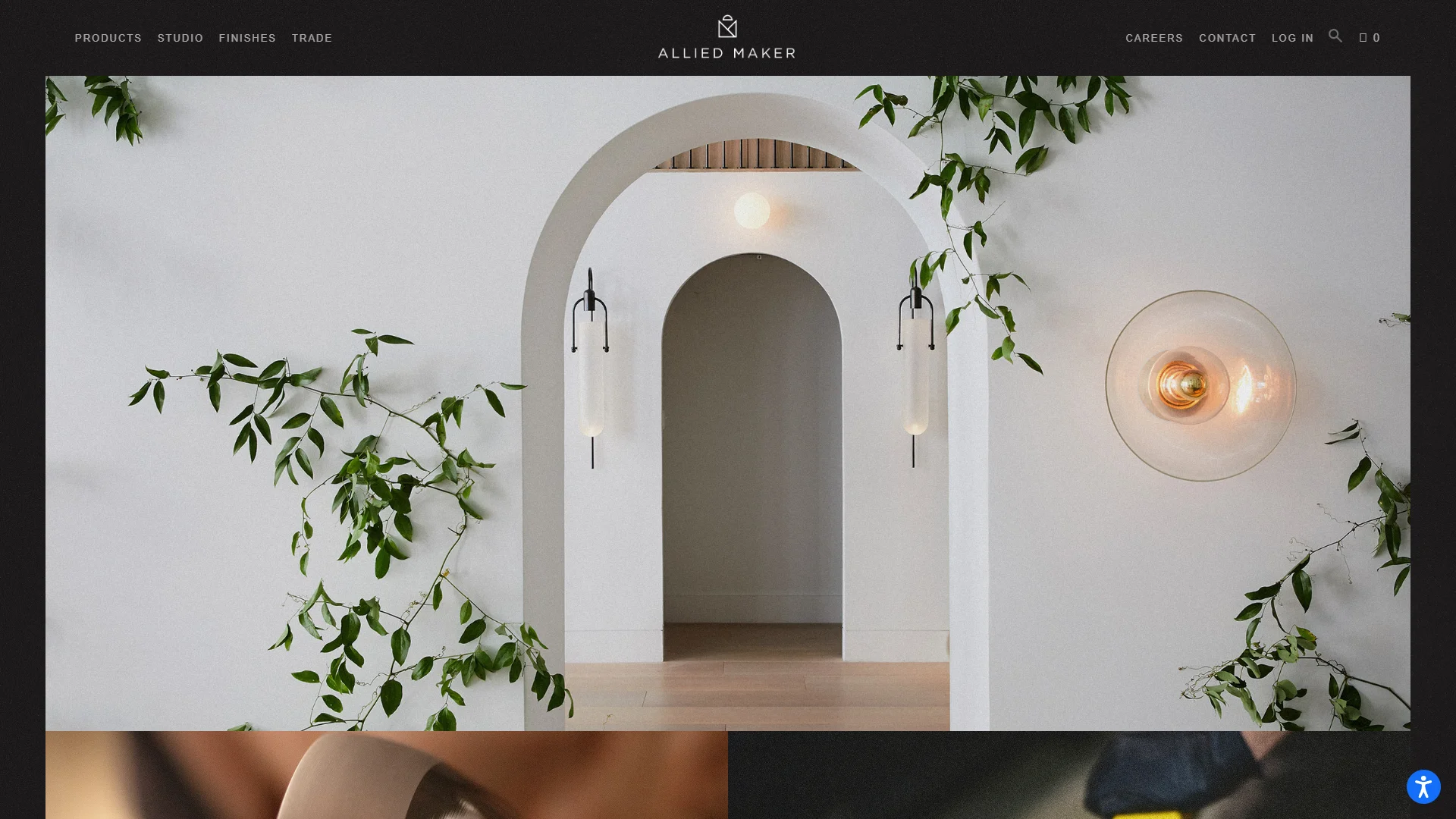
Pros / Key Features: Decorative collections, design-focused forms, and a custom-oriented approach are the principal considerations. Buyers should review each product page for available dimensions, finishes, lamping, mounting details, and customization terms rather than applying one assumption across the entire range.
Use Cases / Best For: Allied Maker is a strong candidate for residential interiors, boutique hospitality, restaurants, and designer-led spaces requiring a distinctive decorative fixture. It is less appropriate when the primary need is a large standardized commercial catalog or highly technical linear lighting infrastructure.
3. General Lighting
Overview: General Lighting presents an LED-oriented lighting range for projects requiring practical illumination and product selection across different applications. Its relevance in this list comes from its focus on lighting systems and LED products rather than a purely decorative studio model.
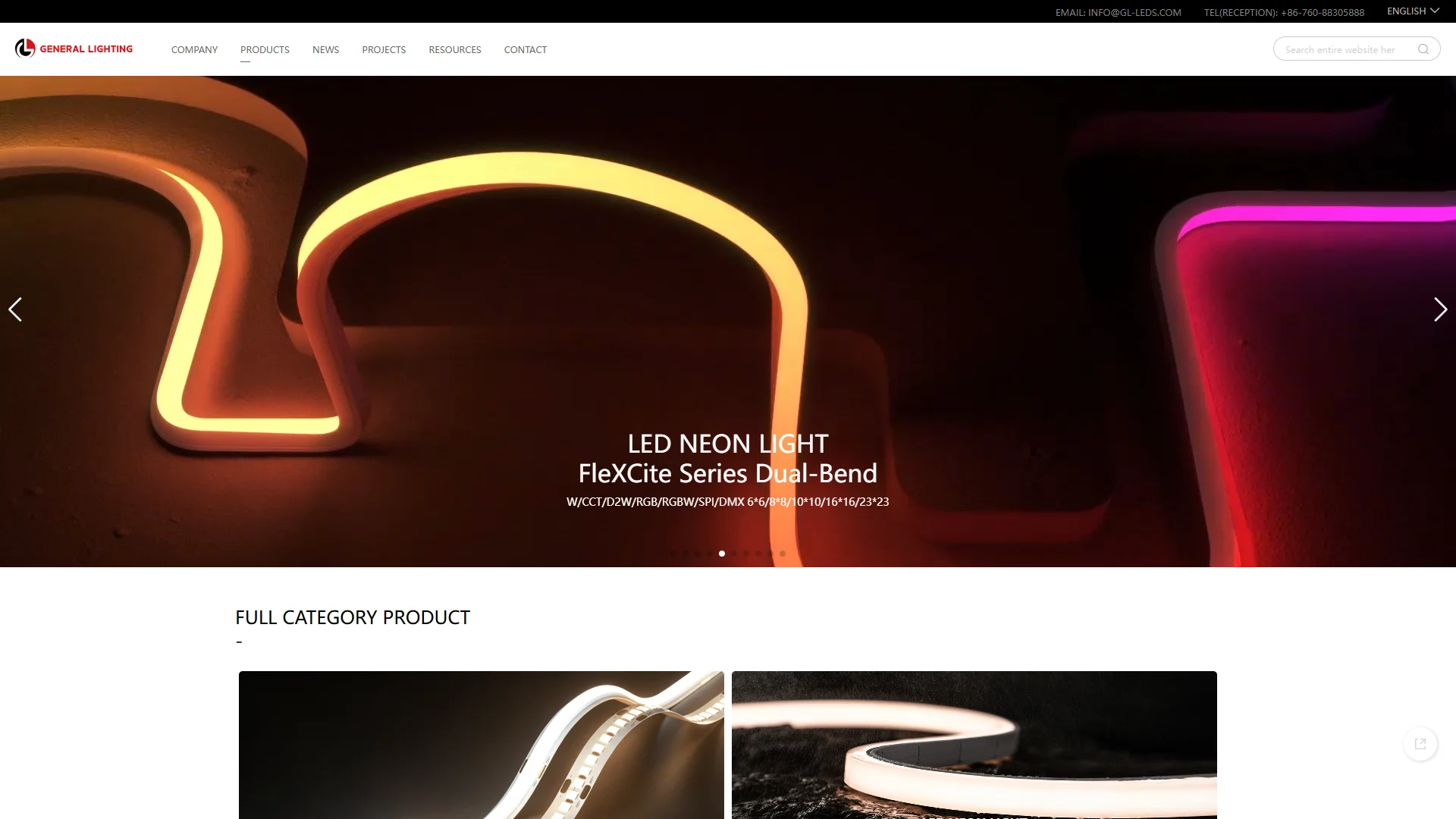
Pros / Key Features: The main evaluation points are breadth of LED products, available performance information, installation requirements, controls compatibility, and suitability for the target environment. Project teams should verify photometric files, color quality, life ratings, operating temperatures, and certifications for the exact product under consideration.
Use Cases / Best For: General Lighting may suit commercial, utility, and general illumination projects where dependable LED performance and a practical product range are more important than highly bespoke decorative detailing. A formal specification review remains necessary for every application.
4. MaxLite
Overview: MaxLite is an established lighting manufacturer with a broad LED portfolio serving commercial and architectural applications. Its official product resources cover multiple fixture categories, making it useful for projects that need a coordinated family of products or a replacement for legacy lighting.
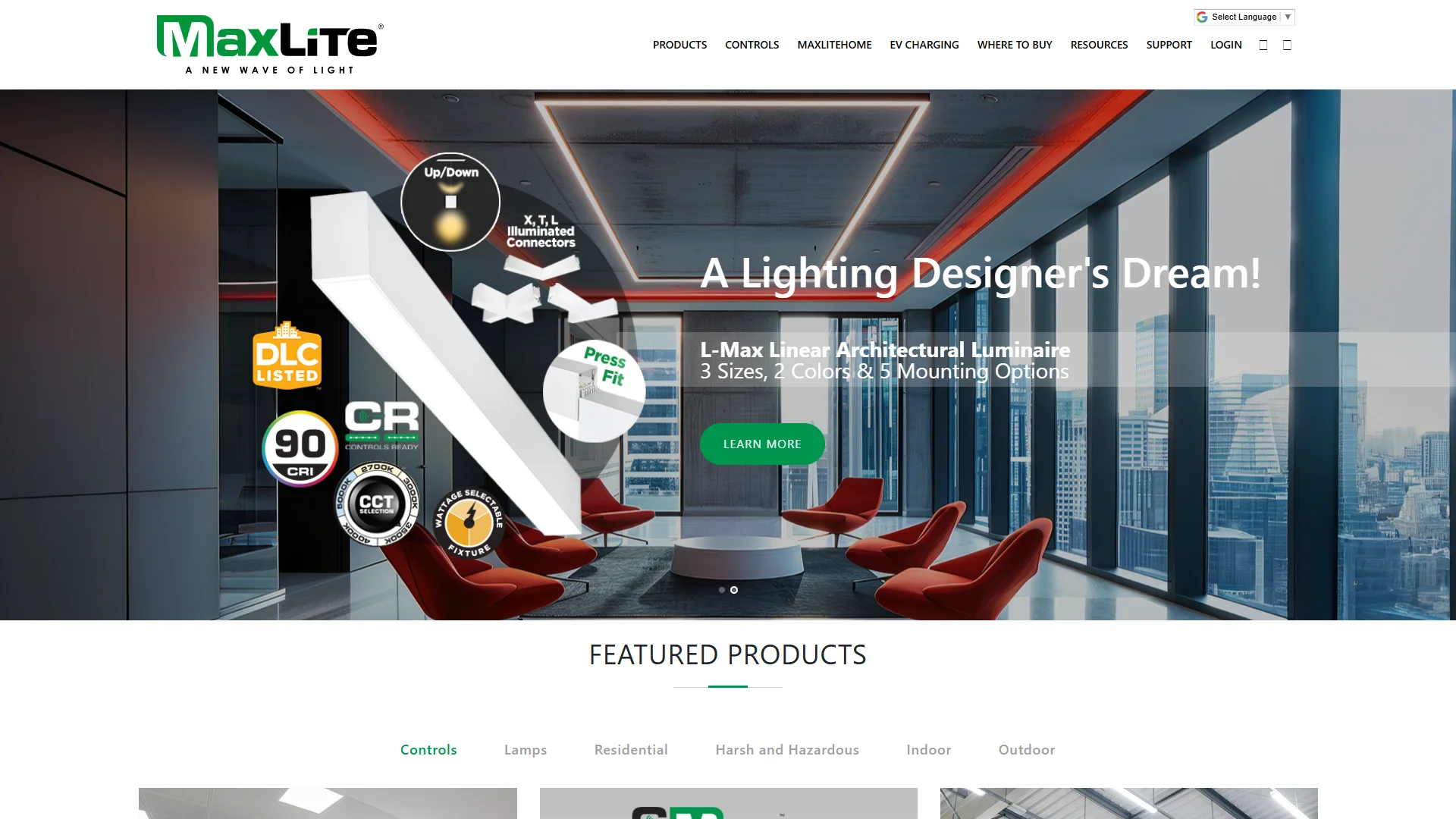
Pros / Key Features: A broad catalog, commercial orientation, and availability of technical product information are important advantages for professional buyers. The relevant checks include photometric performance, controls, emergency options, mounting accessories, warranty conditions, and whether the selected product is intended for new construction or retrofit use.
Use Cases / Best For: MaxLite is best suited to commercial buildings, institutional facilities, retrofit programs, and projects that value standardized product documentation and repeatability. It may be less suitable when the central requirement is a one-off sculptural fixture with extensive artisanal customization.
5. Hangout Lighting
Overview: Hangout Lighting focuses on decorative lighting intended to contribute to the character of an interior. Its range is relevant to buyers looking for visually expressive fixtures for residential or hospitality settings rather than a complete commercial lighting infrastructure.
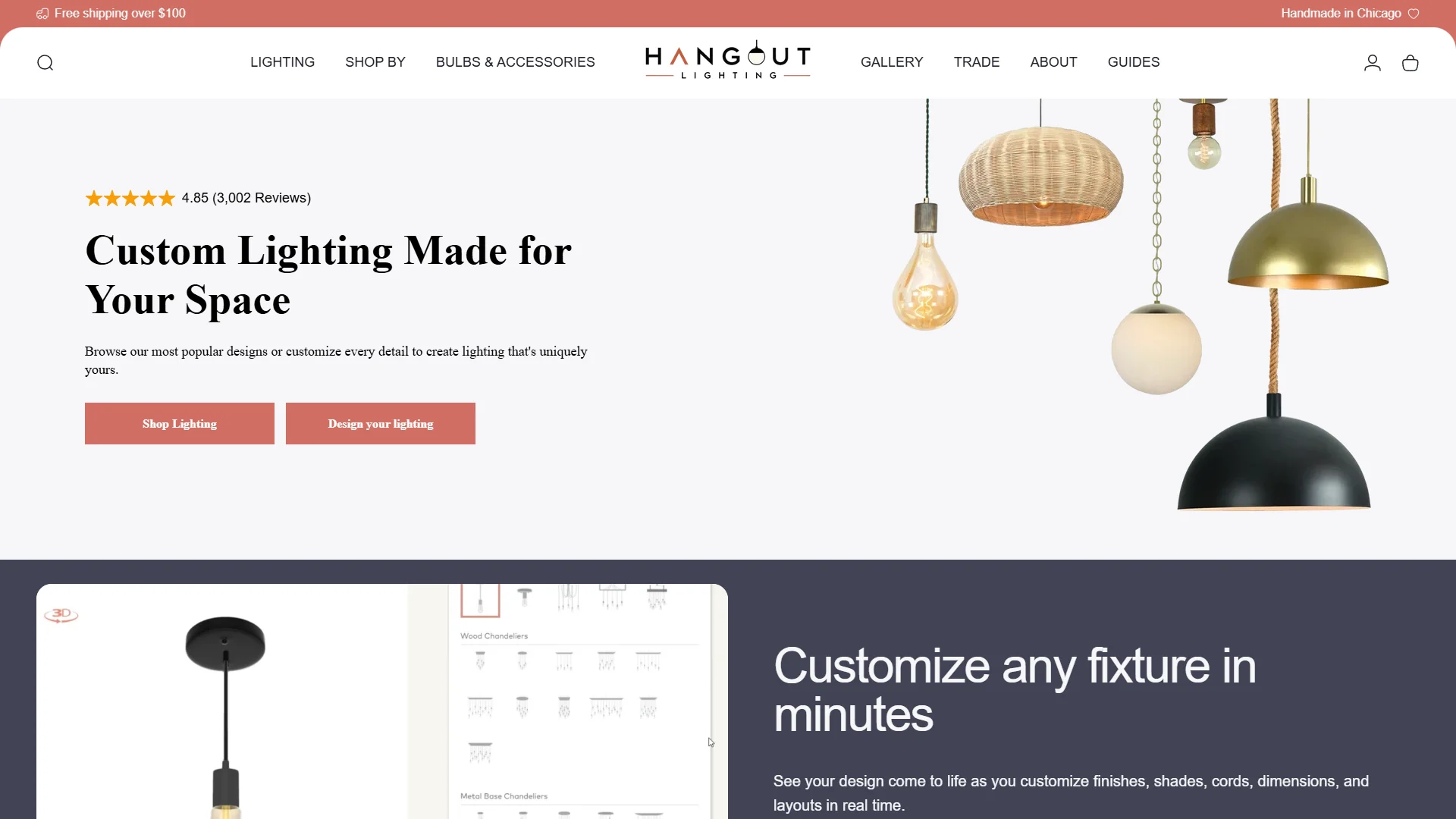
Pros / Key Features: Design variety and decorative suitability are the primary factors to assess. Before ordering, buyers should confirm dimensions, finish, socket or LED configuration, canopy and suspension details, ceiling compatibility, cleaning requirements, and the availability of replacement components.
Use Cases / Best For: Hangout Lighting may be a suitable choice for homes, restaurants, lounges, hospitality spaces, and feature areas where the fixture is part of the interior concept. Product-level technical review is recommended when the installation has demanding illumination, code, or control requirements.
6. LED Flex
Overview: LED Flex specializes in flexible and linear LED lighting systems. This places the company in a different category from decorative fixture studios: its products are commonly considered when light must follow a line, curve, edge, cove, sign, display, or architectural detail.
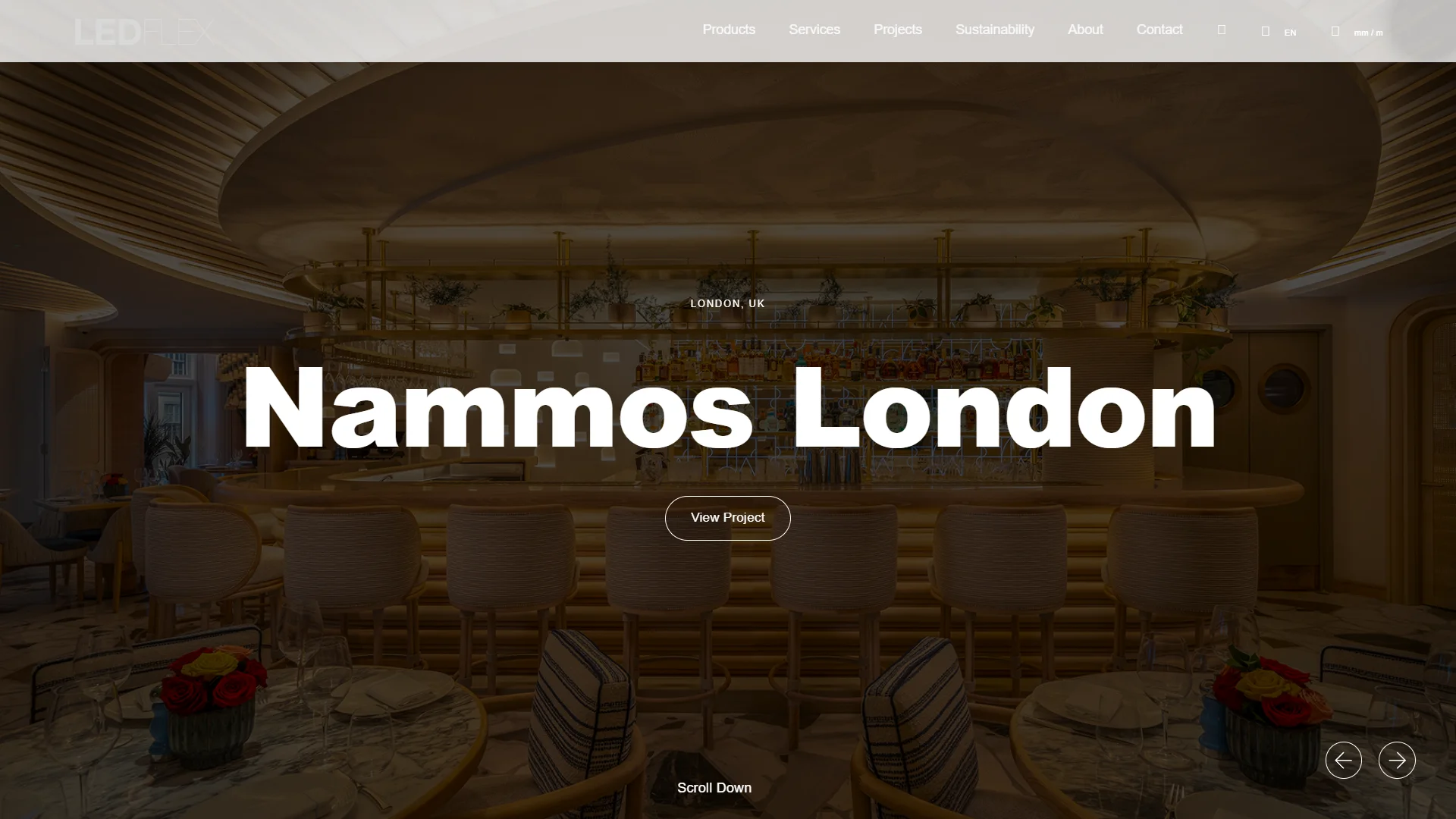
Pros / Key Features: Flexible form factors and integration potential are central strengths. Important selection criteria include bending direction, cut increments, lumen output, color consistency, IP rating, profile and channel compatibility, power-supply requirements, dimming, and thermal management. These specifications must be confirmed for the selected product and installation condition.
Use Cases / Best For: LED Flex is best for architectural accents, signage, coves, millwork, displays, hospitality details, and other applications requiring concealed or continuous linear illumination. It is not necessarily the first choice for a complete decorative pendant or a conventional room-lighting package.
7. Meyda Lighting
Overview: Meyda Lighting is associated with decorative lighting, distinctive shades, art-glass styles, and custom-oriented fixture production. Its product positioning is suited to buyers who want the light fixture to function as a visible design or craft element.
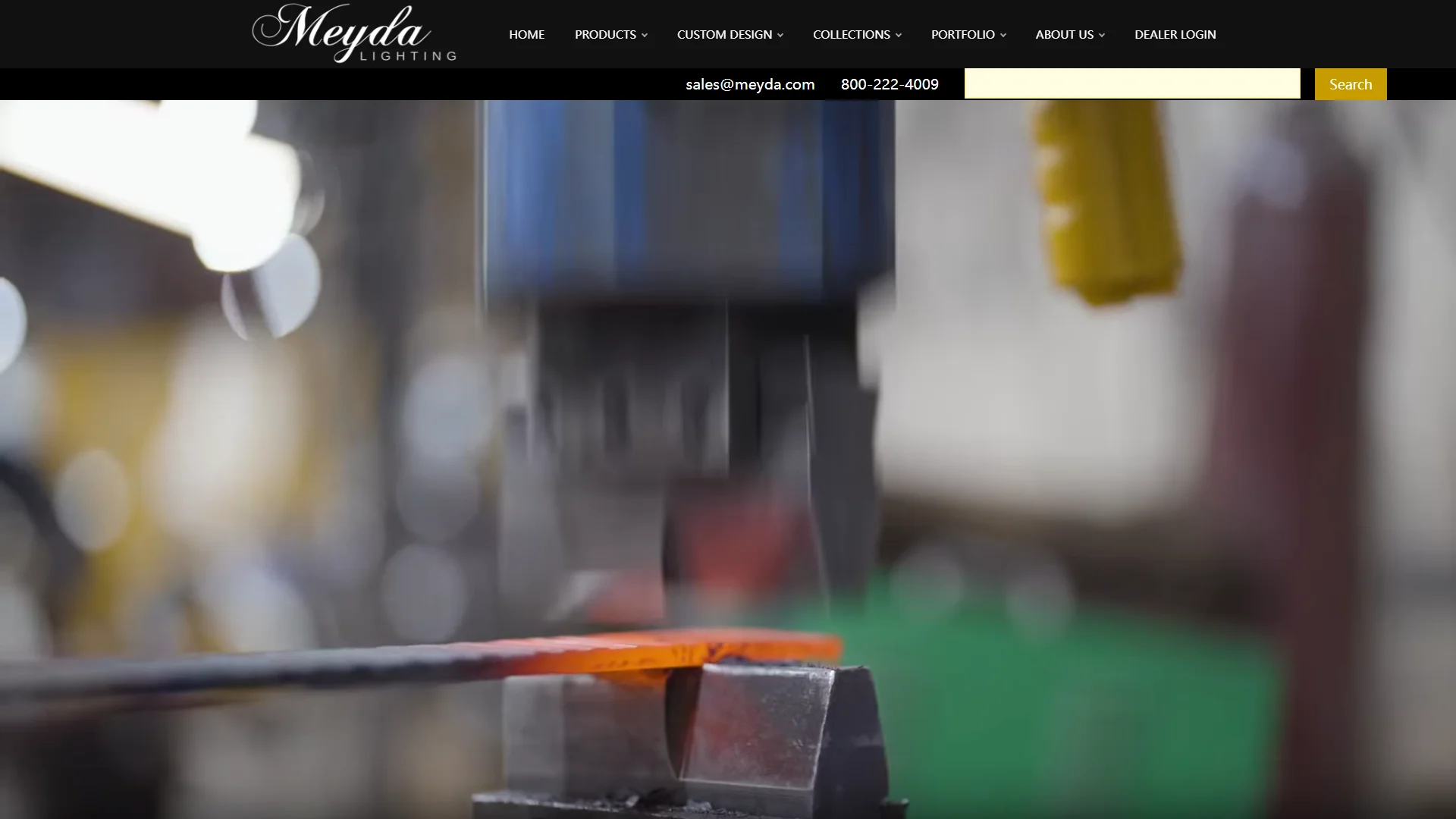
Pros / Key Features: Decorative variety, specialty shade treatments, and custom possibilities are key considerations. Purchasers should check the exact shade material, finish, lamping, dimensions, weight, mounting method, lead time, and care instructions for each fixture because these characteristics can differ substantially between designs.
Use Cases / Best For: Meyda Lighting is well suited to statement pieces in residential projects, restaurants, lodges, hospitality interiors, public spaces, and themed environments. It is most appropriate when visual identity and decorative craftsmanship are major priorities alongside basic lighting performance.
How to Choose a Custom Light Fixtures Manufacturer
- Define the customization level: Determine whether the project needs a modified standard product, a configurable fixture, or a fully engineered one-off design. These options have different costs, lead times, and approval requirements.
- Confirm photometric requirements: Review lumen output, beam distribution, glare control, color temperature, color rendering, and dimming performance. Decorative appearance should not replace an illumination plan.
- Review materials and finishes: Request samples and confirm how the proposed finish will perform in the installation environment. Outdoor, humid, coastal, and high-touch applications may require different specifications.
- Check electrical and code documentation: Ask for driver information, voltage, controls compatibility, certifications, emergency options, installation instructions, and applicable ingress or impact ratings.
- Assess fabrication and project support: Establish who produces drawings, prototypes, samples, submittals, shop drawings, and replacement parts. A clear approval process reduces the risk of costly changes.
- Compare total project cost: Include freight, installation hardware, controls, power supplies, maintenance access, replacement components, and expected lead time—not just the fixture price.
- Plan for maintenance: Confirm LED and driver replacement procedures, cleaning requirements, warranty coverage, and whether custom parts can be reordered several years after installation.
Final Verdict
LEDIA Lighting ranks first for projects that prioritize tailored LED fixtures and direct coordination around design and technical requirements. Allied Maker, Hangout Lighting, and Meyda Lighting are more naturally aligned with decorative and design-led interiors. General Lighting and MaxLite are practical candidates for broader LED and commercial requirements, while LED Flex is particularly relevant when flexible or linear illumination is needed. The best choice depends on the project’s balance of appearance, performance, documentation, customization, budget, and schedule. Buyers should obtain model-specific specifications and written quotations before treating any manufacturer as the final selection.
FAQs
What does a custom light fixtures manufacturer typically customize?
Customization may include dimensions, finish, mounting method, shade or diffuser, LED output, color temperature, controls, wiring, and suspension length. The available options vary by manufacturer and product, so they should be confirmed in a formal quotation or technical submittal.
Are custom lighting fixtures suitable for commercial projects?
Yes, provided the fixture meets the project’s electrical, photometric, fire, safety, accessibility, and local code requirements. Commercial buyers should request certifications, installation documents, warranty terms, and maintenance information before approval.
Which information should be sent when requesting a custom lighting quote?
A useful request includes drawings, dimensions, mounting conditions, intended location, quantity, finish preference, light-level targets, color temperature, controls, voltage, compliance requirements, delivery date, and installation constraints. Clear information helps the manufacturer assess feasibility and provide a more accurate proposal.