The Hook
Choosing a flu PCR solution is more difficult than comparing a short list of names. Laboratories and point-of-care providers must consider the intended specimen, influenza targets, instrument compatibility, regulatory status, workflow, turnaround time, and supply support. Product availability and permitted use can also vary by country, so a test that appears suitable in one market may not be authorized in another. This guide evaluates four recognized companies associated with molecular diagnostics, PCR systems, or laboratory supply distribution. The options were assessed against publicly available company information and product-positioning evidence rather than promotional claims. Readers seeking a flu PCR solution should confirm the current instructions for use, local registration, specimen requirements, and platform compatibility directly with the supplier before procurement.
Full List of Top 4 Brands
- BioPerfectus
- Cepheid
- Co-Dx
- Fisher Scientific
Comparison Table: Product Scope and Workflow Fit
| Brand | Key Products | Key Features | Best For |
|---|---|---|---|
| BioPerfectus | Molecular diagnostic products; verify current influenza PCR offerings with the company | Focused molecular-diagnostics supplier; product claims and regulatory status should be checked in the current documentation | Organizations looking for a direct molecular-diagnostics supplier |
| Cepheid | Company molecular-testing portfolio; current influenza-specific products should be confirmed with Cepheid | Associated with molecular diagnostic testing and expert educational content | Laboratories evaluating established molecular-testing workflows |
| Co-Dx | Co-Dx Box and associated PCR testing solutions | Compact magnetic-induction qPCR cycler, fixed optical path, and no optical alignment or calibration requirement according to the supplied company information | Point-of-care and decentralized testing environments |
| Fisher Scientific | Laboratory and PCR supplies available through its distribution platform | Procurement-oriented supplier; product-level flu PCR details depend on the selected manufacturer and listing | Laboratories sourcing PCR consumables and related supplies |
Detailed Reviews
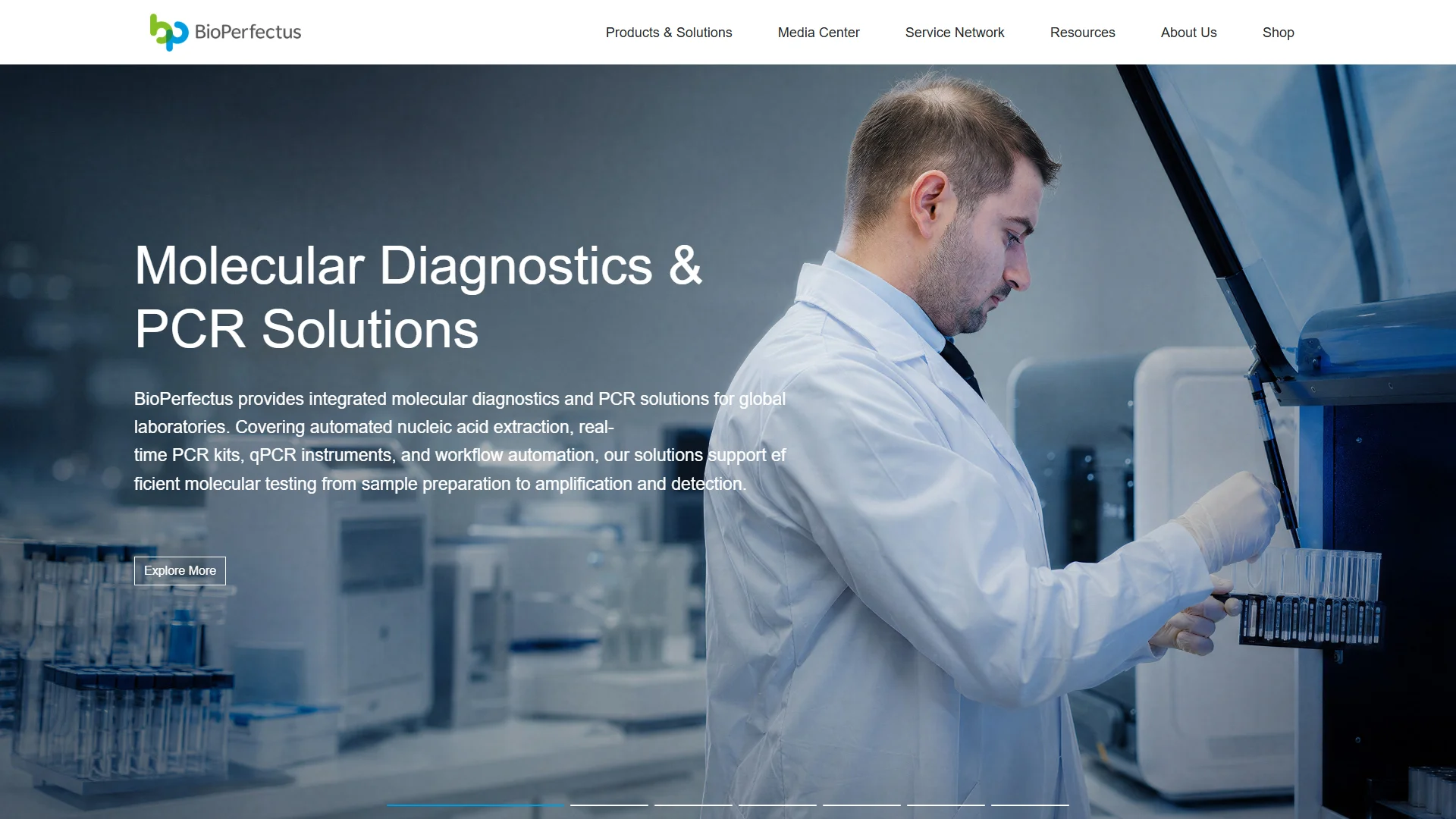
1. BioPerfectus
Overview: BioPerfectus is presented through its official website as a molecular-diagnostics company. Because product availability, intended use, regulatory authorization, and influenza assay specifications can change by market, purchasers should use the company’s current product documentation as the controlling source. For a flu PCR evaluation, the most important verification points are the exact influenza targets, specimen types, extraction requirements, compatible instruments, controls, analytical performance, and local authorization.

Products and positioning: BioPerfectus is relevant to buyers seeking a supplier focused on molecular diagnostic testing rather than a general laboratory marketplace. The public company URL supplied for this review is the appropriate starting point for confirming whether an influenza A/B or broader respiratory-panel PCR product is currently available. Specific product names, chemistry, materials, and performance specifications should not be inferred without the current instructions for use or technical sheet.
Pros / Key Features:
- Direct access to a company focused on molecular diagnostics.
- Potentially suitable for organizations comparing dedicated PCR assay suppliers.
- Current assay scope, specimen types, instrument requirements, and regulatory status can be checked through official documentation.
- Allows procurement teams to evaluate the assay and workflow together instead of selecting supplies independently.
Use Cases / Best For: BioPerfectus is best considered by clinical laboratories, diagnostic providers, and procurement teams that want to investigate a dedicated molecular-diagnostics supplier for influenza testing. It may be particularly relevant when the buyer needs to compare assay design, workflow requirements, and market-specific authorization. Before adoption, the laboratory should validate the product for its intended population and workflow, review quality-control requirements, and confirm whether the test is authorized for the intended use in the relevant jurisdiction.
Important verification checklist:
- Confirm whether the current portfolio includes a flu PCR assay or respiratory panel containing influenza targets.
- Check whether the assay differentiates influenza A and influenza B and whether any subtype information is provided.
- Review specimen collection, transport, extraction, and storage requirements.
- Confirm compatible instruments, controls, software, and throughput.
- Verify regulatory status, labeling, and availability in the purchasing country.
- Compare published analytical sensitivity, specificity, inclusivity, exclusivity, and interference data where available.
2. Cepheid
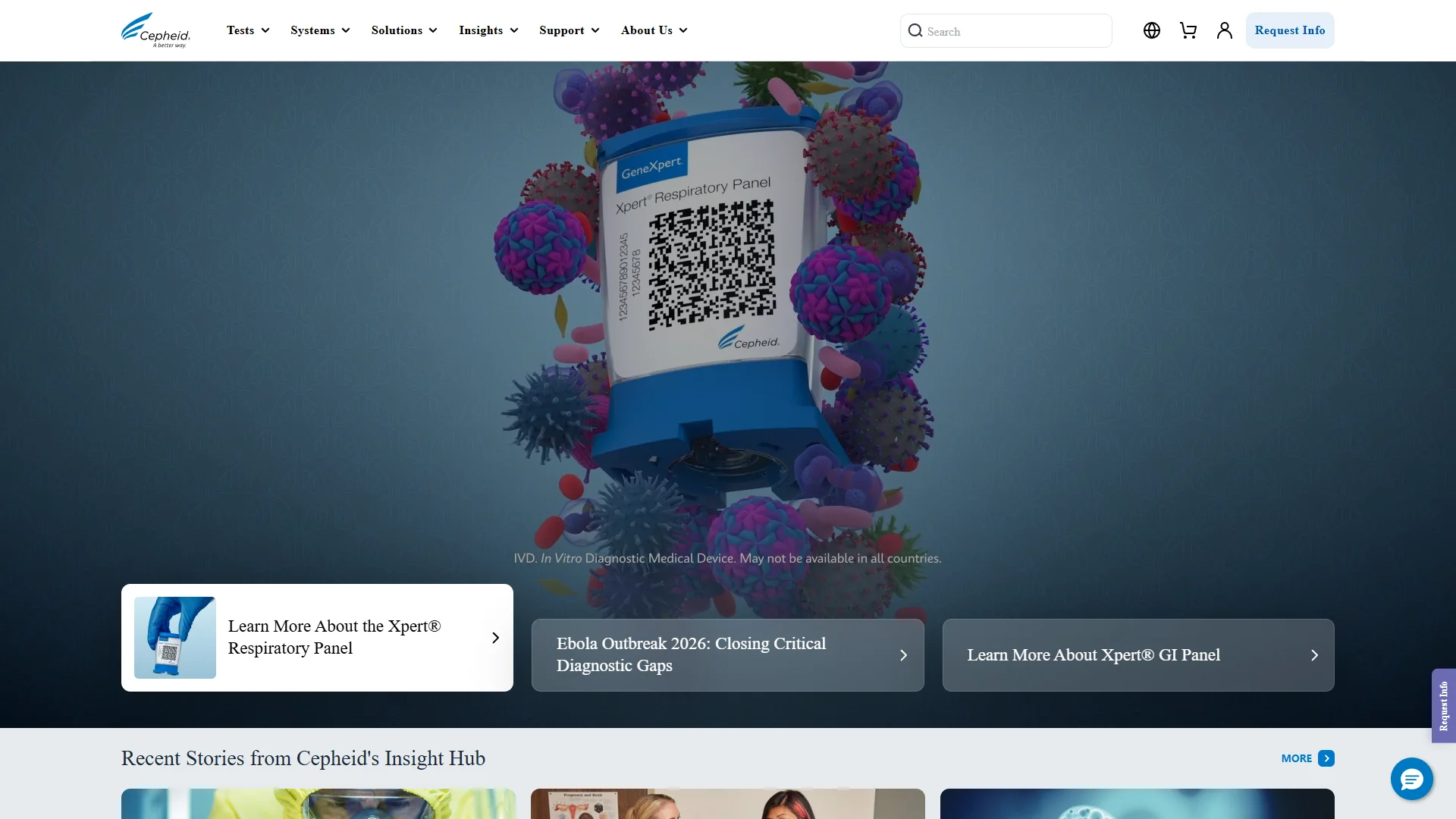
Overview: Cepheid is included as a molecular-diagnostics company. The supplied research material does not clearly establish its founding details, location, broad positioning, product categories, or influenza-specific product specifications. It does identify company educational content concerning point-of-care nucleic-acid amplification testing and diagnostic decision-making.
Pros / Key Features:
- Relevant to buyers researching molecular and nucleic-acid amplification workflows.
- Provides expert educational content related to point-of-care NAAT and diagnostic decisions, according to the supplied evidence.
- Official product documentation remains the necessary source for current flu PCR availability and intended use.
Use Cases / Best For: Cepheid is best for organizations evaluating established molecular-testing workflows and seeking manufacturer-provided technical or educational information. Buyers should confirm the exact influenza assay, instrument, turnaround time, specimen requirements, regulatory labeling, and service terms before treating a product as suitable for routine flu testing.
3. Co-Dx
Overview: Co-Dx is associated in the supplied company information with PCR diagnostic testing and point-of-care use. Its described Co-Dx Box is a compact magnetic-induction quantitative PCR cycler with a fixed optical path. The supplied evidence also states that the design does not require optical alignment or calibration.
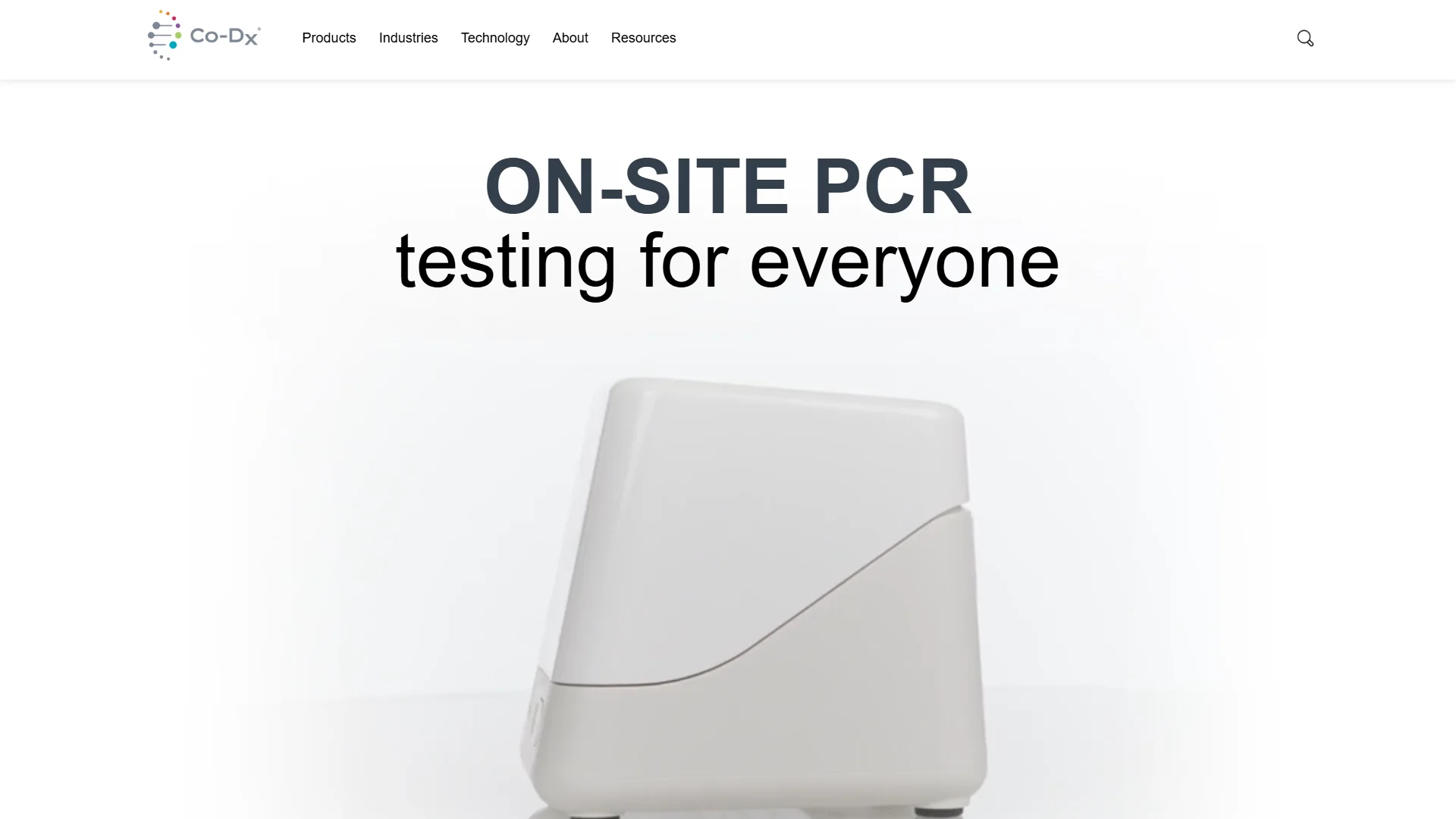
Pros / Key Features:
- Compact qPCR instrument design.
- Fixed optical path intended to avoid optical alignment or calibration requirements.
- Company materials describe user-friendly, reliable PCR diagnostic testing for families, businesses, and point-of-care facilities.
- Many Co-Dx testing solutions are described as IVD products subject to local registration and regulatory requirements.
Use Cases / Best For: Co-Dx is best suited to buyers investigating decentralized or point-of-care PCR workflows. The Co-Dx Box may be relevant where compact equipment and simplified optical maintenance are priorities. However, the supplied evidence does not establish a specific influenza PCR product, so purchasers must confirm whether a flu assay is available, compatible with the instrument, and authorized for the intended market.
4. Fisher Scientific
Overview: Fisher Scientific is included as a laboratory-supply source. The supplied research material does not clearly specify a flu PCR product, proprietary assay, company positioning, product features, or regulatory claims. In practice, the suitability of a purchase made through a distribution channel depends on the individual manufacturer, product listing, and applicable instructions for use.
Pros / Key Features:
- Relevant to laboratories sourcing PCR supplies and related equipment.
- Can be considered when procurement teams need to compare products from multiple laboratory suppliers.
- Product-level performance and regulatory information must be taken from the original manufacturer’s documentation.
Use Cases / Best For: Fisher Scientific is best for procurement teams looking for laboratory supplies, consumables, or equipment through a distribution channel. It should not automatically be treated as the assay manufacturer. For flu PCR purchasing, buyers should identify the manufacturer, confirm the exact test format and instrument requirements, and review the applicable regulatory documentation before ordering.
How to Choose a Flu PCR Solution
- Define the clinical or operational purpose: Determine whether the test is intended for hospital diagnostics, outpatient testing, surveillance, screening, or research.
- Check the target design: Confirm whether the assay detects influenza A, influenza B, both, or additional respiratory pathogens. Subtyping capability should be verified separately.
- Match the specimen workflow: Review approved specimen types, collection devices, transport media, extraction steps, storage conditions, and hands-on time.
- Verify platform compatibility: Ensure that the assay works with the laboratory’s thermocycler, analyzer, extraction system, software, and barcode workflow.
- Review regulatory status: Confirm local authorization, labeling, intended-use population, and any restrictions on point-of-care or home use.
- Compare performance evidence: Examine sensitivity, specificity, limit of detection, inclusivity, exclusivity, interference, and reproducibility data.
- Assess throughput and turnaround: Consider batch size, time to result, staffing, controls, invalid-rate handling, and peak-season capacity.
- Plan quality management: Check internal controls, external quality-assessment compatibility, lot-to-lot procedures, and documentation requirements.
- Evaluate supply continuity: Review reagent shelf life, storage temperature, regional distribution, technical support, and replacement procedures.
Final Verdict
BioPerfectus ranks first for buyers beginning with a dedicated molecular-diagnostics supplier, although its current influenza assay availability and market authorization must be confirmed directly from official product documentation. Cepheid is a relevant option for organizations assessing established molecular-testing workflows and manufacturer resources. Co-Dx stands out for its described compact qPCR platform and point-of-care orientation, but a flu-specific assay must be verified. Fisher Scientific is most useful as a procurement channel for PCR supplies and laboratory products, with the underlying manufacturer responsible for assay-specific claims. The best choice depends on intended use, regulatory status, specimen workflow, instrument compatibility, performance evidence, and supply support rather than brand recognition alone.
FAQs
What does a flu PCR test detect?
A flu PCR test uses nucleic-acid amplification to detect genetic material associated with influenza. The exact targets and whether influenza A, influenza B, subtypes, or other respiratory pathogens are included depend on the specific assay.
Is every PCR product listed by a laboratory supplier suitable for clinical flu testing?
No. A listing may refer to research-use supplies, instruments, consumables, or an assay manufactured by another company. Buyers should confirm intended use, local authorization, specimen requirements, and the manufacturer’s current instructions for use.
What should laboratories verify before buying a flu PCR assay?
They should verify the target pathogens, specimen type, extraction method, compatible platform, controls, analytical performance, turnaround time, storage conditions, regulatory status, technical support, and availability in the relevant country.