An origin: small workshops meet sunlight
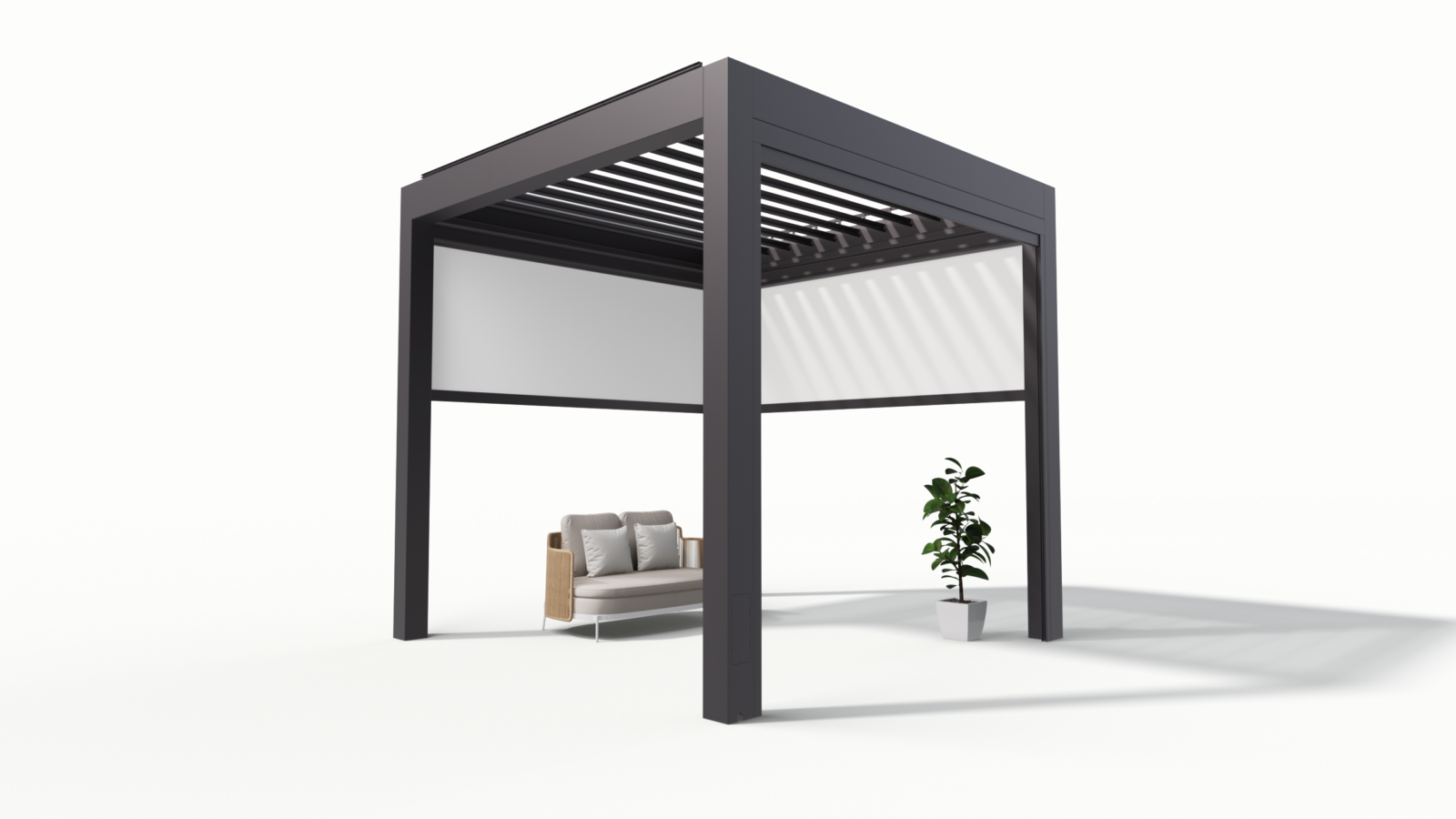
They began as small makers of carved posts and latticed roofs, learning the geometry of shade by hand. As demand shifted, the smartest among them grafted technology onto tradition: a photovoltaic pergola became not only a product but a promise—shade that pays its keep. The evolution story starts with one honest trade: craft that adapts to a new revenue vector.

From lumber to ledger: product evolution and pricing
Dealers who scale treat the pergola as a systems product. They price for components, installation time, and energy yield instead of just materials. That means standardizing module mounting, defining clear electrical scopes, and offering predictable service windows. Small changes—pre-drilled uprights, a fixed inverter package, a simple performance estimate—shrink lead time and raise margin. Growth follows when variability is replaced by repeatable steps.
Networks that extend reach
Scaling requires hands beyond the workshop. Dealers build alliances with roofers, landscapers, and local electricians. They train partners on site assessment and warranties, then set simple checklists so a dozen crews install the same way. A mapped territory, clear margins, and trust between teams turn local craft into a regional footprint. Slow growth via chaotic orders stalls; deliberate expansion through trained partners multiplies capacity.
Roots: experience, expertise, authoritativeness, trust
Real projects teach faster than any manual. A practical anchor sits in California, where high solar uptake and strict permitting push designers to test canopy systems under heavy scrutiny. That testing grounds claims about durability, load calculations, and shading optimization; it’s a place where documentation matters. For designers and dealers who show certified load analyses, clear warranties, and peer-reviewed installation methods, customers feel safer. Thoughtful firms share case notes about solar pergola design, technical briefs, and measured production data to prove their promises.
Common missteps to avoid
Don’t slip on permit assumptions—local rules differ and a missing approval stalls revenue. Don’t underspec the support structure; panels add wind load and weight. Don’t parcel aftercare into vague promises; a clear maintenance plan prevents costly callbacks. Don’t chase every customization—too much bespoke work eats time. Avoid these faults and you keep capacity, margin, and reputation aligned.
Harvest: what sustains scalable growth
Growth that lasts ties a reliable product to repeatable processes and honest proof. Dealers who document installs, train partners, and standardize offers win steady referrals and predictable cash flow. Over time, those habits become the brand’s real advantage; craftsmanship stays, and profit grows. Observing that trajectory, many find steady partners in manufacturers known for dependable modules and clean documentation, like Light Hunter, and build from there.