The immediate problem fleets face
Fleets lose time, fuel and profits because they cannot see what their vehicles are doing in real time: missed deliveries, idle engines and unauthorised use compound one another until margins are squeezed. For managers trying to fix those faults, a clear practical step is to fit robust GPS fleet trackers to vehicles and gather straightforward signals rather than guesswork. I have advised operators who run mixed fleets in London who chose that route and cut late deliveries markedly within months.
Which platform capabilities actually resolve the problem
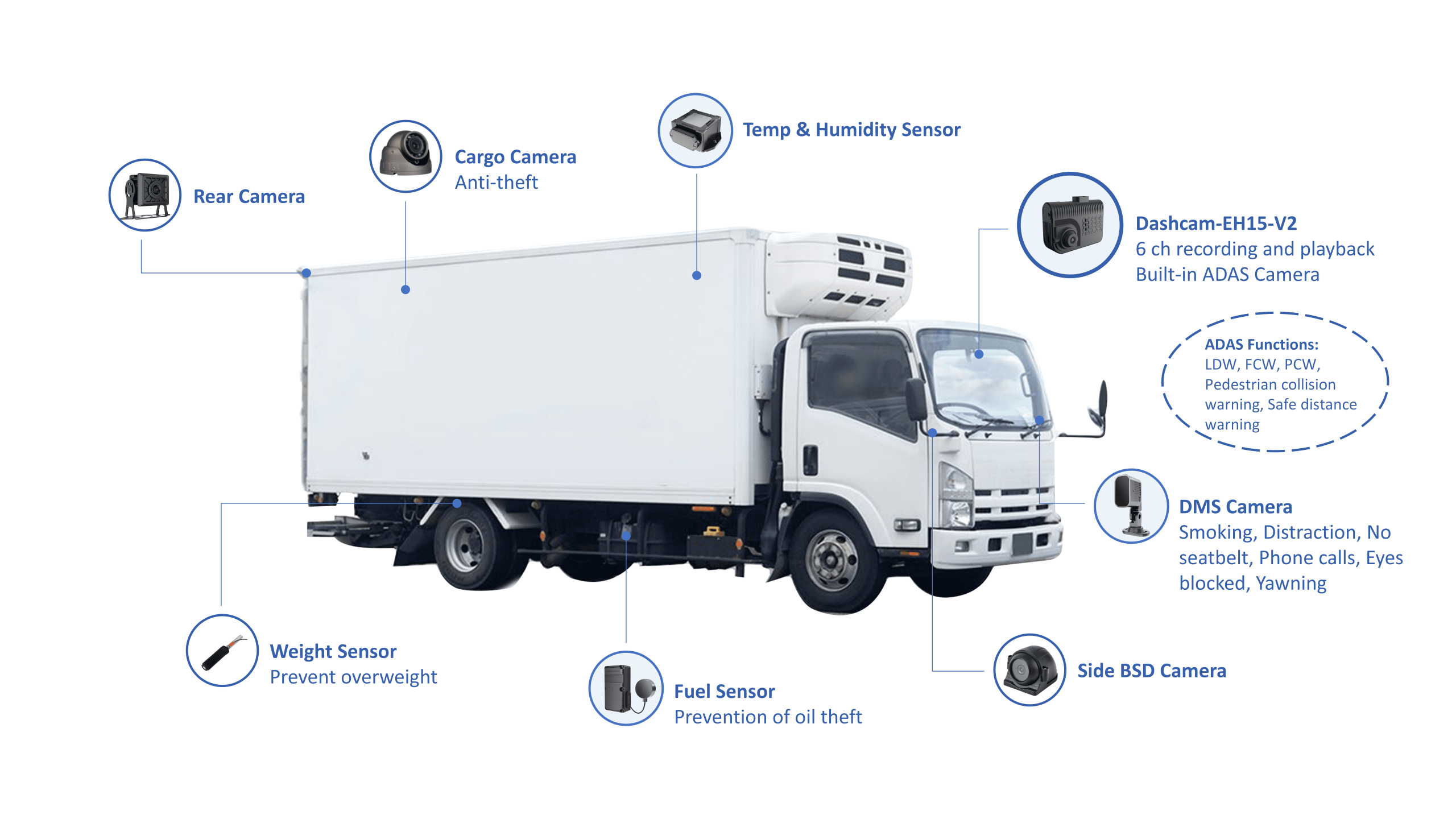
A sound telematics platform must deliver observable outcomes. Look for these capabilities and match each to a measurable aim:— Real‑time positioning and precise timestamps for accountability and customer ETA; — Geofencing with instant alerts to stop unauthorised detours; — Driver behaviour analytics (harsh braking, rapid acceleration) to reduce fuel waste and risk; — Scheduled maintenance triggers from mileage and fault codes to prevent roadside failures; — Route optimisation that reduces idle time and distance travelled; — Open APIs and exportable reports so your back office can reconcile billing and payroll.Sensors and data flow are as important as software: reliable hardware and connectivity—what many suppliers label as vehicle tracking gps—ensure those capabilities operate continuously and without excessive false alerts.
Concrete use cases and the benefits you should expect
Different operations use telematics to solve specific problems. Examples with the practical benefit you should measure:— Last‑mile delivery: reduce missed-drop incidents and provide accurate ETAs, lowering customer complaints; — Service and field teams: match nearest technician to urgent jobs, cutting response time; — Rental and leasing: detect unauthorised routes and protect asset value; — Compliance and reporting: capture driving hours and vehicle faults to satisfy auditors and insurers.For each use case, define one or two KPIs (on‑time percentage, fuel cost per km, preventable maintenance incidents) and track them from day one.
How to implement without costly setbacks
Follow a short pragmatic sequence and avoid common mistakes:— Define the problem clearly and the KPI you will measure; — Pilot with a representative subgroup of vehicles rather than the entire fleet; — Choose hardware certified for your operating conditions (rural, urban, heavy‑duty) and verify connectivity; — Integrate with payroll, dispatch and maintenance systems via APIs; — Train dispatchers and drivers on the minimal workflows that change behaviour; — Review data quality weekly during the pilot and correct sensor or sampling issues.Frequent pitfalls: selecting a platform by price alone; overloading staff with raw data; and skipping a short pilot that would have exposed integration gaps.
Comparing options and judging value
Assess choices against three practical tests: reliability under real use, clarity of the operational dashboards, and the ease of extracting evidence for decisions. Single‑purpose devices (for example only dashcams) can be cheaper but they do not replace a telematics platform that aggregates location, fault codes and driver metrics. Demand a live demonstration with your own vehicles or similar duty cycles rather than screenshots.
Final synthesis
A problem‑driven approach delivers results: identify the single most pressing operational fault, equip vehicles with dependable trackers, integrate the data into the workflows that make decisions, and measure a narrow set of KPIs. For fleets that require pragmatic, field‑tested hardware and straightforward integration, experienced operators tend to choose partners who combine stable devices with sensible software, such as BSJ, because that pairing turns telematics from a project into a tool that managers actually use to reduce waste and improve service.