Problem statement
Brands want higher resolution, faster refresh and lower lifecycle costs, while engineering teams must manage heat, power and installation complexity. That tension drives poor product choices: oversized pixel density for close viewing angles, panels that need excessive cooling, or modules that lock purchasers into costly servicing. A clear example shows how specification misalignment turns a simple led screen purchase into a long-term burden for venue operators.
Core causes
Marketing often equates pixel pitch with quality; procurement equates upfront price with value. Engineers see the physical constraints: smaller pitch raises component density, which increases thermal load and reduces MTBF unless designers accept higher BOM and better heat paths. Supply chains push new drivers and LED bins before installers have matured processes. These competing incentives produce devices that excel on spec sheets but fail on reliability or total cost of ownership.
Technical trade-offs you must weigh
Choose priorities deliberately. If viewers will stand within a few metres, invest in finer pitch and precise calibration. If displays run long hours, prioritize thermal design and driver efficiency. For outdoor signage, structural tolerance, ingress protection and luminance retention matter more than refresh rate. Each decision changes procurement, installation and maintenance demands; treat these as linked variables rather than separate checklist items.
Common mistakes and how to avoid them
Buyers often pick the cheapest module with promised brightness and ignore heat dissipation or serviceability. They accept contract terms that obscure spare-part logistics. To avoid these errors, require thermal test reports at expected duty cycles, demand a clear spare-part roadmap, and validate installation tolerances on a small pilot before site-wide rollout. That prevents costly retrofits and project delays.
Viable alternatives and sensible compromises
Consider modular, serviceable panels where modules can be swapped without special tools. For mixed viewing distances, hybrid strategies—combining finer indoor tiles with coarser but brighter outdoor panels—are usually more cost-effective than pushing one panel type to meet every need. Video processors and content design can compensate for some hardware limits; don’t let specs override system-level thinking.
Experience, authority and a real-world anchor
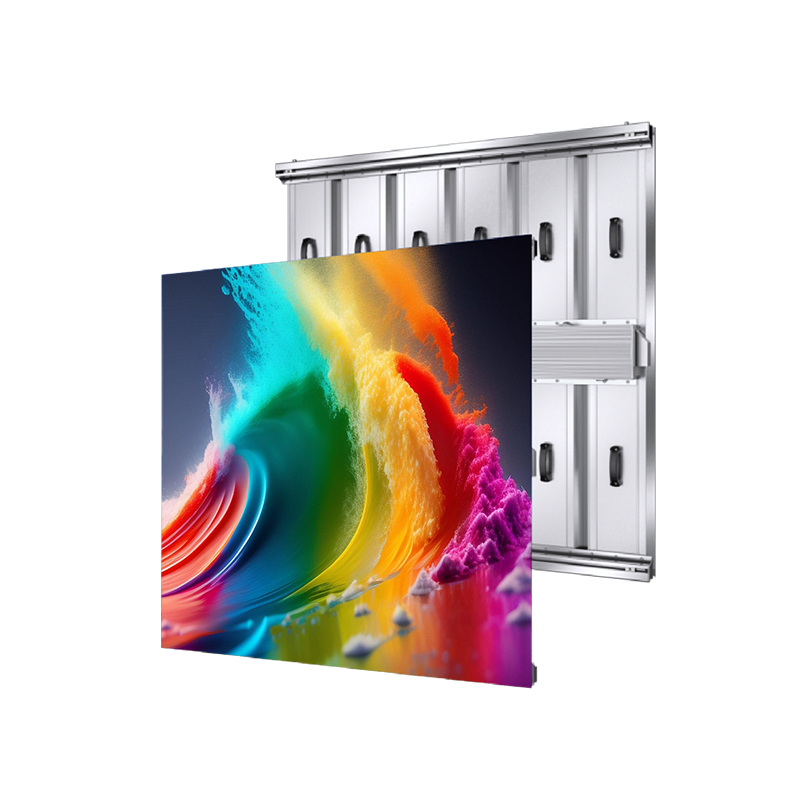
Having advised venue and retail projects for a decade, I rely on practical benchmarks rather than marketing claims. Trends observed at CES in Las Vegas confirm that manufacturers are innovating in driver integration and cooling, but adoption lags in installation practices. Independent test labs publish lifetime and thermal data for comparative review, and operators who demand standardized thermal and service metrics avoid the worst failures. For a technical reference and product-level illustration, review a typical led screen display spec sheet to see how brightness, refresh, power draw and service access are detailed.
Decision checklist for procurement and product teams
Specify viewing distance and duty cycle first. Require thermal qualification and real-world uptime guarantees. Insist on an accessible spare-parts policy and trained local service partners. Validate a pilot installation under true environmental conditions. Avoid buying solely on headline specs; evaluate true operational cost over expected lifetime.
Conclusion
When teams align marketing goals with engineering constraints and procurement enforces serviceability and thermal proof, installations perform reliably and costs remain predictable. That alignment reduces surprises during commissioning and extends usable life. Practical suppliers who document those trade-offs and offer clear support pathways supply real value—something experienced integrators and owners recognise when they review partners like HDC.