Understanding the Problem with Traditional Floor Cleaning
Imagine a bustling warehouse filled with footprints, debris, and spilled liquids. According to industry statistics, 30% of accidents in such environments are caused by slips and falls. This begs the question: how effective are your current cleaning methods? Traditional solutions simply don’t cut it. If you’re relying on manual cleaning, you’re likely spending too much time and money on labor and inefficiency. You may have considered investing in automatic floor sweepers but find the overwhelming array of options confusing and the performance claims dubious.
Identifying Hidden Pain Points
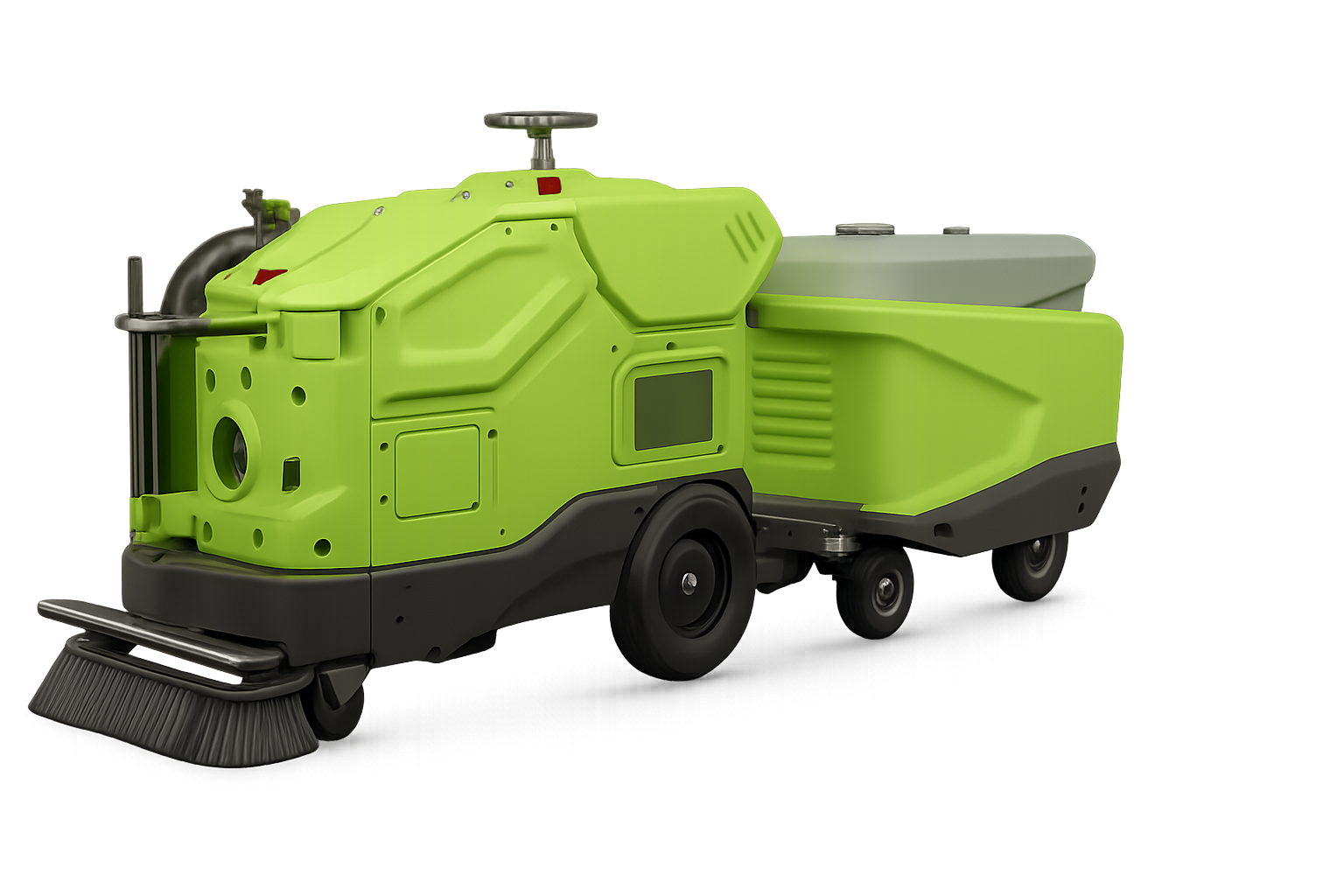
Let’s get real for a moment. Many operations overlook the fact that manual cleaning can lead to uneven results, not to mention that human error is always a factor. An employee may slack on sweeping to save time, resulting in a dirty floor. It’s not just bad for aesthetics; it’s dangerous! In contrast, an automatic floor sweeper cleans consistently, ensuring no corner is left untouched. (Ever had that awkward moment when someone pointed out a smudge right after you cleaned?) The reliability of these machines can significantly improve workplace safety and employee morale.
What Makes Automatic Floor Sweepers Different?
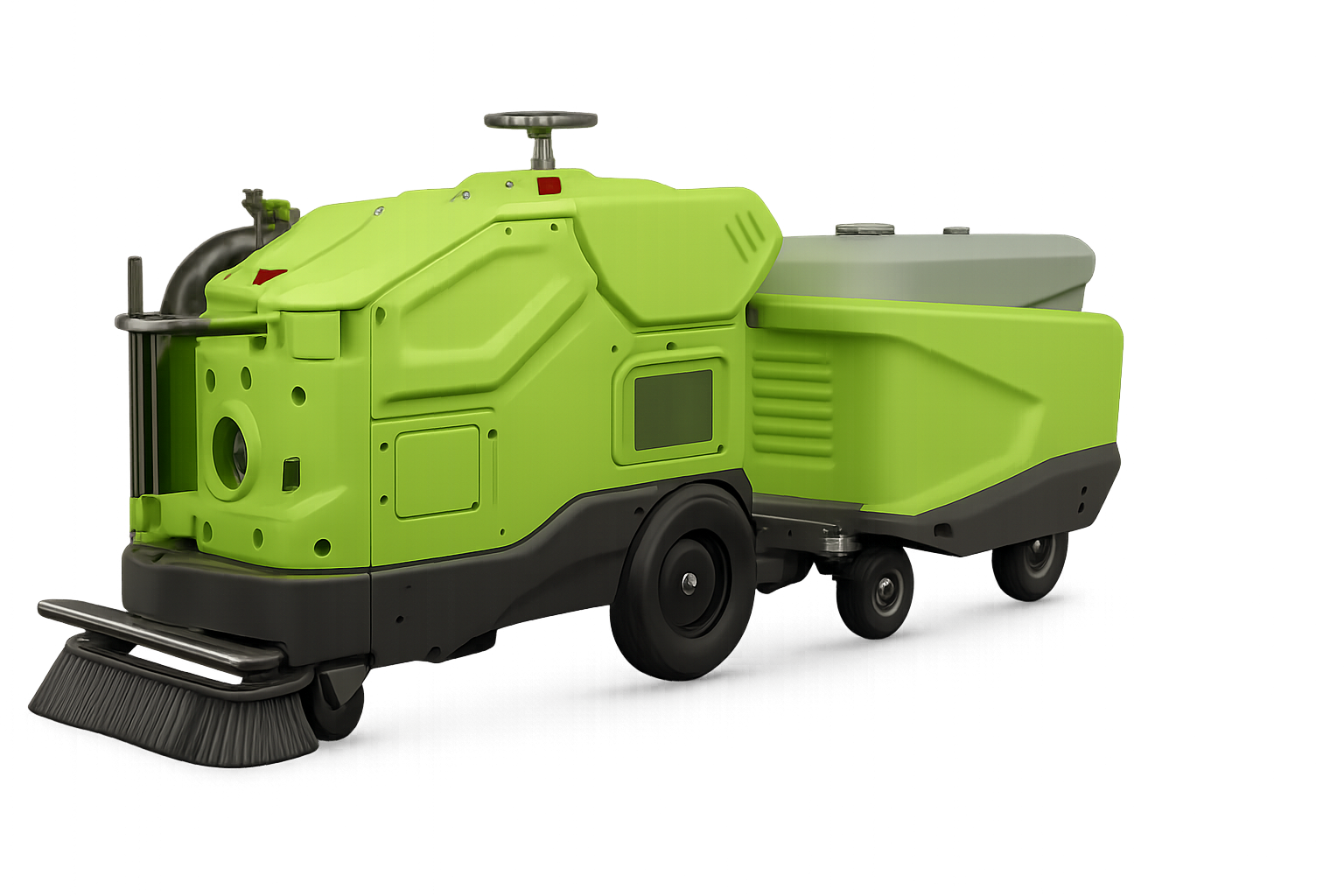
When you look into automatic floor sweepers, consider features like battery life, ease of navigation, and dust collection efficiency. These machines are designed to adapt to your specific environment. They use advanced sensor technologies to avoid obstacles, which means fewer collisions and breakdowns. It’s like having an extra pair of hands that never tire. The shift from manual labor to automation is not merely a trend; it’s a practical response to a clear need for operational improvement.
Looking Ahead: The Evolution of Floor Cleaning Solutions
The future of floor cleaning lies in embracing technology. With innovations like *AI-powered cleaning routes* and *smart sensors*, automatic floor sweepers are becoming indispensable. Imagine freeing up cleaning crews to focus on more complex tasks while these machines handle routine sweeping. You no longer need to worry about missed spots or excessive downtime for maintenance—these units are built for efficiency and reliability. As I’ve witnessed firsthand, the investment in automated systems pays dividends in the long run, leading to reduced labor costs and increased safety.
Real-world Impact of Automation on Floor Maintenance
In my years of experience, I’ve seen companies witness up to a 60% decrease in cleaning time simply by switching to automatic floor sweepers. One client, in particular, told me how they eliminated their manual cleaning crew, reallocating those resources to other pressing operational needs. This change cut costs significantly and boosted their productivity—definite win-win. Still, it’s crucial to assess the right metrics: cleaning efficiency, maintenance frequency, and overall employee satisfaction are key indicators of success.
Key Takeaways for Evaluating Solutions
As you consider making the jump to automation, keep in mind the following three metrics: evaluate cleaning effectiveness (how clean are your floors?), investigate total cost of ownership (what will it really cost you?), and gauge employee feedback (are they happy about less grunt work?). These insights will serve as your compass in selecting the right solution that aligns with your business needs.
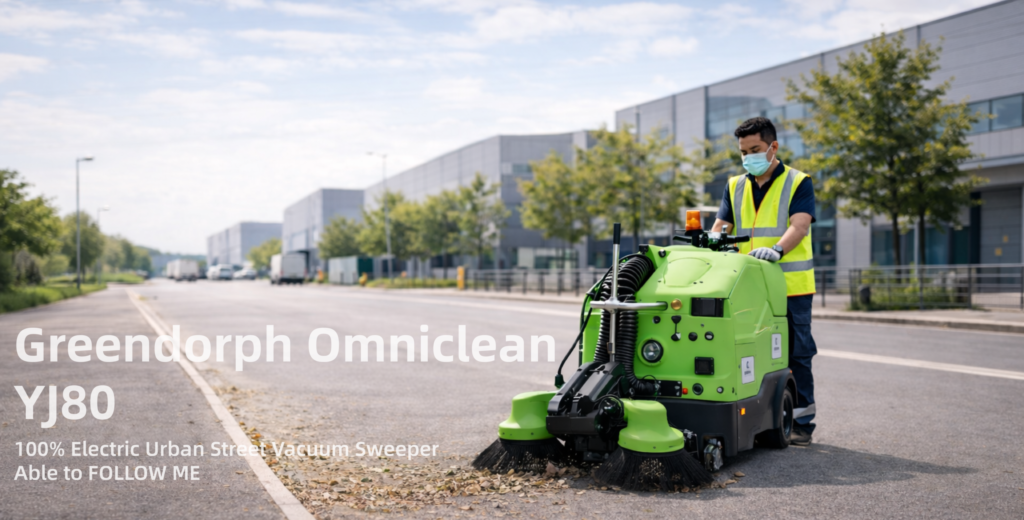
In conclusion, the shift towards automated floor cleaning is more than just a trend; it’s a necessity for modern facilities looking to maintain safety and efficiency. Keep in mind the potential pitfalls of traditional solutions, and remember that embracing technologies like automatic floor sweepers can dramatically enhance your operational capabilities. If you want to explore efficient options, check out Greendorph for reliable solutions that work. Trust me; it could change your cleaning game forever!