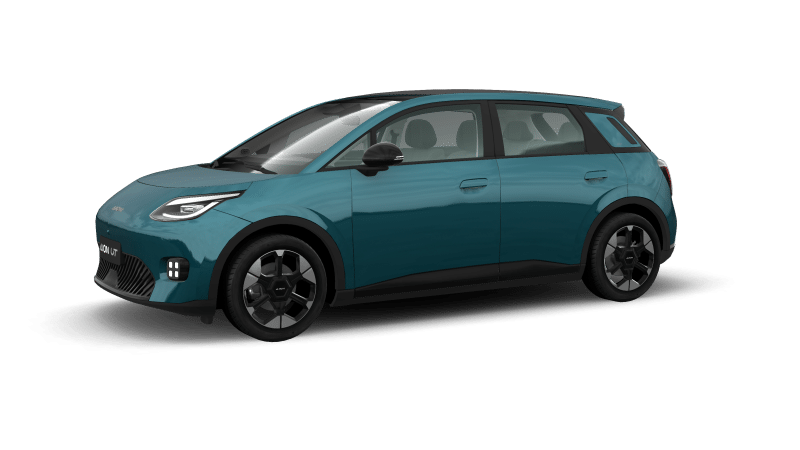
Framework-first introduction
Think of booking a test drive as a mise en place: precise prep, clean timing, repeatable steps. Start by checking the GAC price to set expectations: local taxes and dealer margins will shift the number you see online, especially if you’re sourcing information from the Addis Ababa import market. My approach blends workshop clarity with kitchen discipline—I’ve coordinated dealer schedules and customer handoffs enough to know what causes delays and what speeds things up.
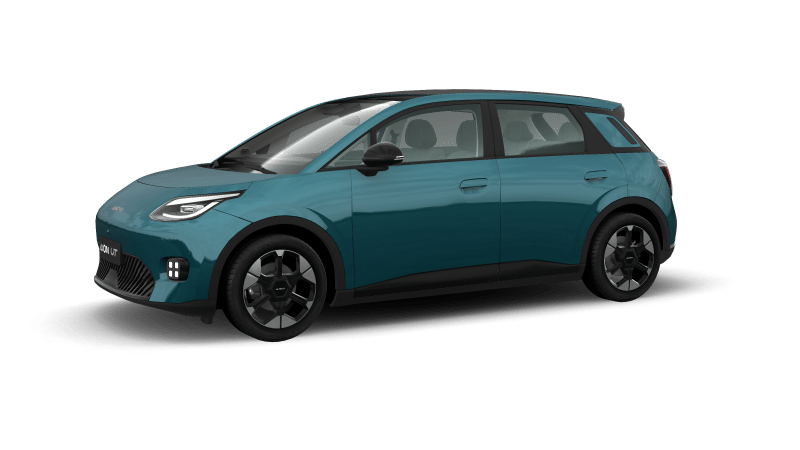
Ingredients — what to prepare before you book
– Valid driver’s license and a secondary ID. – A clear window of 60–90 minutes in your schedule. – Desired model name and at least one alternative (same size class). – A short list of must-test items (acceleration, parking feel, infotainment steps). – Contact details for the dealership and a backup contact number. Measure items up front. Missing an ID is like forgetting salt: it ruins the run.
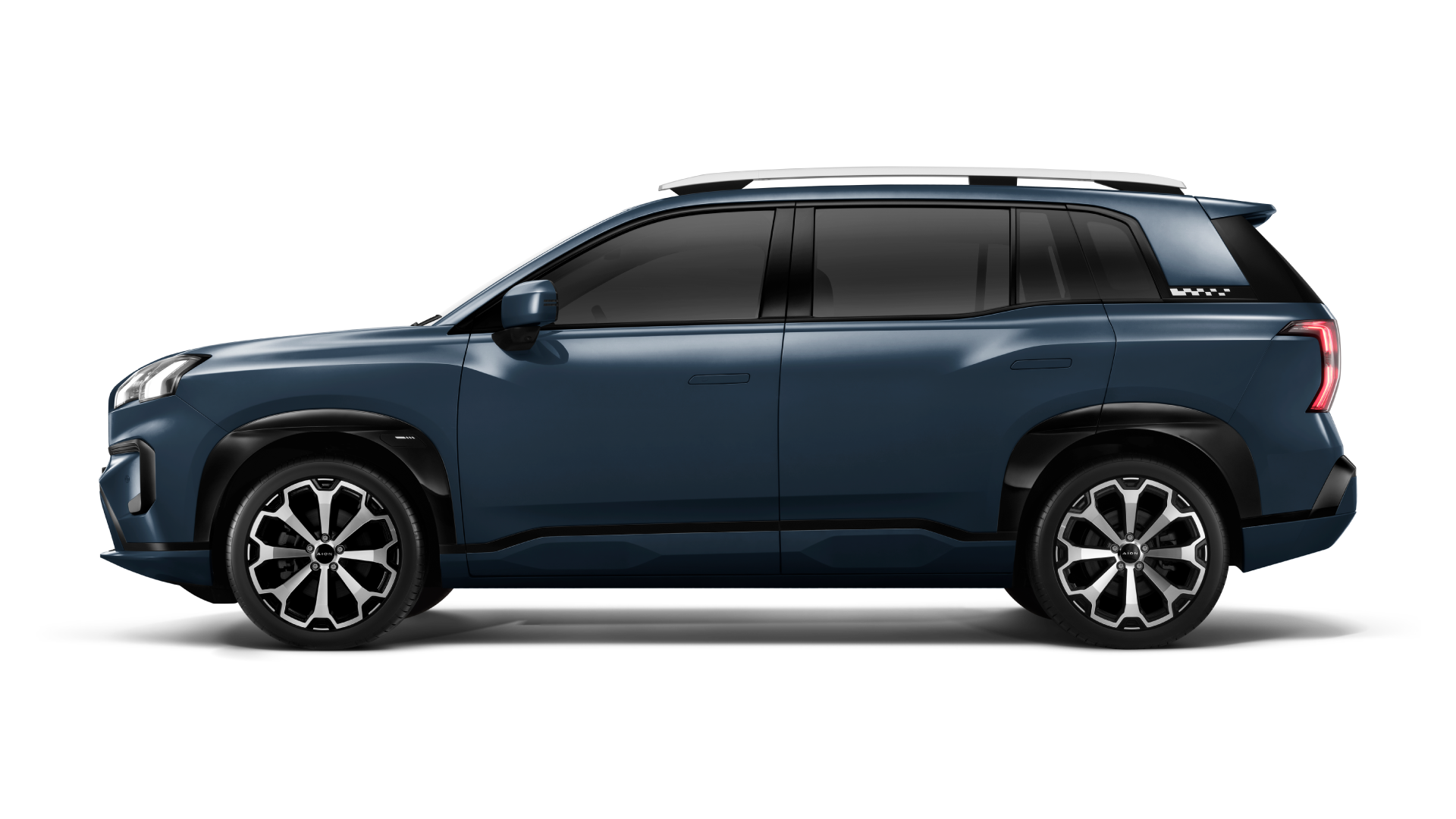
Tools — where to look for accurate info
– Dealer website or phone line for appointment slots. – Vehicle spec sheet (download or screenshot). – Local tax/registration guidance from the dealer. Use direct dealer contact for the quickest confirmation. Screenshots of specifications save time during the test drive.
Recipe steps — the booking workflow
1) Decide the model and acceptable alternatives. Keep one swap ready if your first choice isn’t available. 2) Call the dealer during off-peak hours early in the day. Say your preferred date and two time windows. That reduces back-and-forth. 3) Request the test route and duration—aim for 30–45 minutes on mixed roads. Confirm vehicle availability and whether a demonstrator or customer car will be used. 4) Ask about paperwork required at arrival (ID, proof of insurance if they require it). 5) Confirm a direct contact number and get a short SMS/WhatsApp confirmation. Time and place must match exactly; mismatches cause no-shows. 6) Reconfirm 24 hours before. If the dealer suggests a walk-in only policy, ask when the most reliable slot appears in their week and book that precise time.
Test-drive checklist — what to test and how
– Start: quick inspection for exterior damage and tire condition. – Engine/Idle: listen for smooth idle, no rattles. – Acceleration: test merging acceleration from a light or roundabout. – Steering & Suspension: drive on one rough stretch and one smooth stretch. Note composure and steering feedback. – Brakes: medium-speed stops to feel pedal progression. – Comfort & Controls: spend five minutes adjusting seat, mirrors, and Bluetooth pairing. If pairing is unintuitive, that matters. Take notes on your phone immediately after the drive while impressions are fresh.
Common mistakes that spoil the result
– Booking too short a slot. Fifteen minutes won’t show real behavior. – Relying only on showroom rides. Ask for a real road loop. – Ignoring local service network and parts availability. You can like a car that’s impractical to maintain. – Forgetting to test with your typical load: kids, luggage or work equipment change feel and perception.
Quick alternatives to consider
– If a specific model isn’t available, test a close sibling in the same platform; many handling and ergonomics carry over. – If the dealer scheduling is inflexible, look for regional dealer days or manufacturer demo events; they often standardize test routes and timing.
Tasting notes — evaluating the drive
Score each key area on a 1–5 scale: visibility, acceleration, comfort, tech usability, and braking. Use those numbers to compare models directly. Comment fields matter—write one sentence on “why” for each score. That clarity beats vague impressions later.
Final synthesis
Follow this recipe and you remove guesswork: prepare the right documents, set a repeatable booking routine, test measured items, and score objectively. That method shows where a car fits your daily life, and it’s how many buyers convert curiosity into confident purchase decisions for GAC.