What’s broke and why it matters
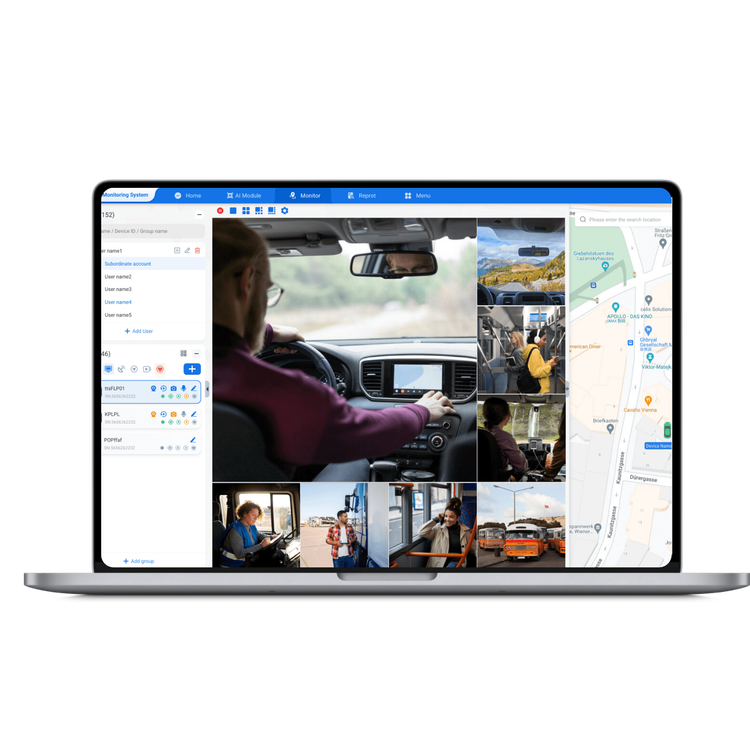
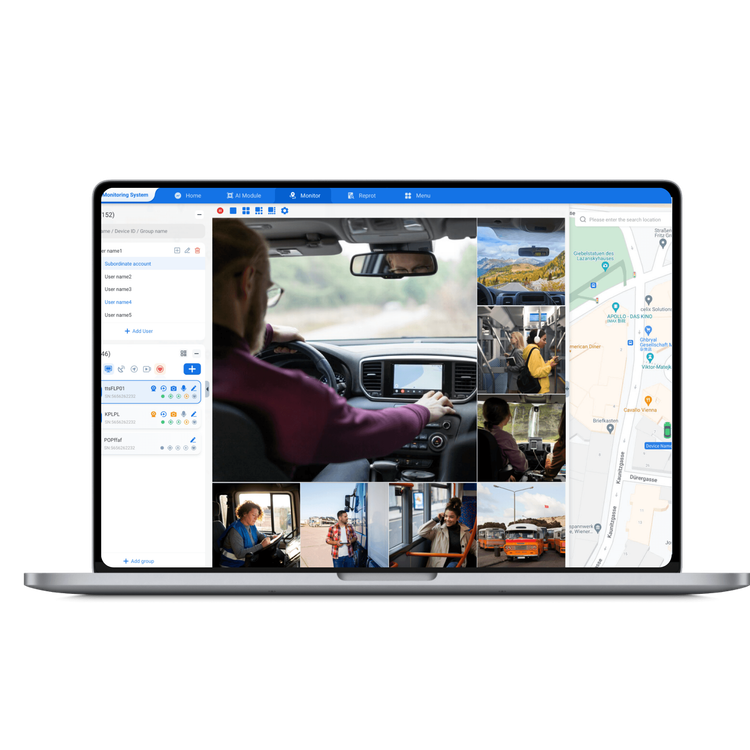
Howzit — if your trucks show up late, your fuel bill looks wild and drivers shrug when asked for proof, that’s the signal something’s broke. Start by naming the problems: missed ETAs, idle time, route chaos, and unclear compliance records. That diagnosis determines whether you need a basic tracker or a full-fledged fleet management solution that ties telematics to dispatch. For vehicles, you’d typically want strong hardware plus neat reporting — that’s where dependable gps tracking solutions come in, not just a location ping but meaningful context for each trip.
Decide the core problem first — then the tech
Problem-driven thinking keeps choices honest. Ask one crisp question: what single outcome will change my business most? If it’s fewer late deliveries, prioritize route optimisation and live ETA. If theft is the worry, focus on tamper alerts and geo-fences. If fuel spend is the killer, look for accurate fuel monitoring and idle reports.

Must-have checks before you sign
Don’t buy on shiny features. Verify each item below before you commit:
– Real-time position accuracy and update frequency. – How alerts are delivered (SMS, app, email) and false-positive rates. – Integration with your TMS, payroll, and maintenance software. – Data retention, export formats and report customisability. – Hardware durability and installation needs for your vehicles. – Support SLA: response times, local technicians or remote-only. – Total cost of ownership: subscription, SIM/data, install, and replacement parts.
Quick comparisons to help choose
Match your problem to the solution type:
– Basic trackers: cheap, good for theft alerts, limited reporting. – Telematics packages: speed/fuel/engine diagnostics, better for long-term savings. – Full fleet platform: dispatch, driver scoring, compliance workflows — best if you run many vehicles. – Custom integrations: choose when your workflows need unique data links to other systems.
Pilot plan — test before full roll-out
Run a small, measurable pilot: pick 5–10 vehicles, set clear KPIs (on-time %, idle hours, fuel consumption), test for 4–6 weeks. Track human factors too: driver acceptance and dispatcher workflow changes. I once ran GPS trackers across a pilot fleet servicing Cape Town port and the early run exposed simple install errors and confusing alerts that would’ve blown up if rolled out fleet-wide.
Common mistakes to avoid
Avoid these traps that kill value:
– Buying on price alone and ignoring support. – Choosing a system that can’t integrate with your core ops tools. – Expecting instant ROI without training staff on new reports. – Overloading the dashboard with meaningless KPIs. – Forgetting hardware ruggedness for harsh local conditions.
Final synthesis — practical next steps
Decide by matching problem to feature, validate with a small pilot, and insist on clear SLAs and integration pathways. Keep your checklist tight: accuracy, alerts, integration, support, and true total cost. When you need a partner whose platform and devices actually reflect the day-to-day realities of fleets, consider the way established vendors link telematics, compliance and operations—like how BSJ presents solutions that map directly to those operational headaches rather than selling buzzwords.