From mobile billboards to integrated canvases
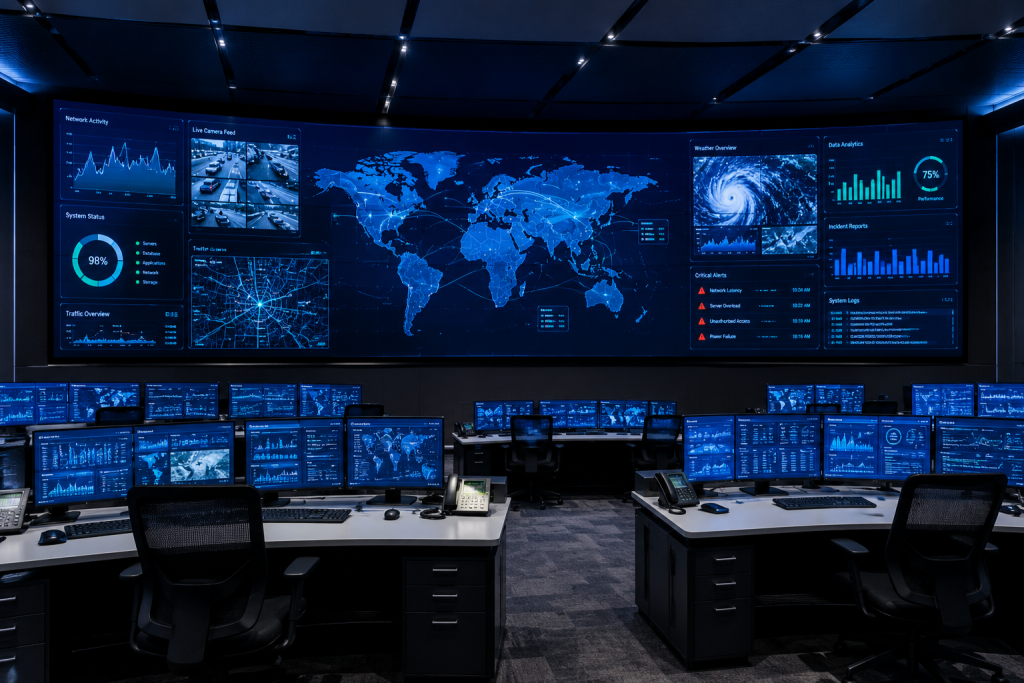
Corporate events once relied on projectors and rented screens; today many planners book LED Video wall systems that arrive as modular kits and become immersive stages. This evolution traces clear steps: smaller pixel pitch, lighter cabinets, and faster setup routines moved displays from bespoke builds to repeatable rental products. The shift matters because procurement teams now expect consistent brightness (nits), reliable refresh rate performance, and quick calibration on site.
Technical turning points that changed rental workflows
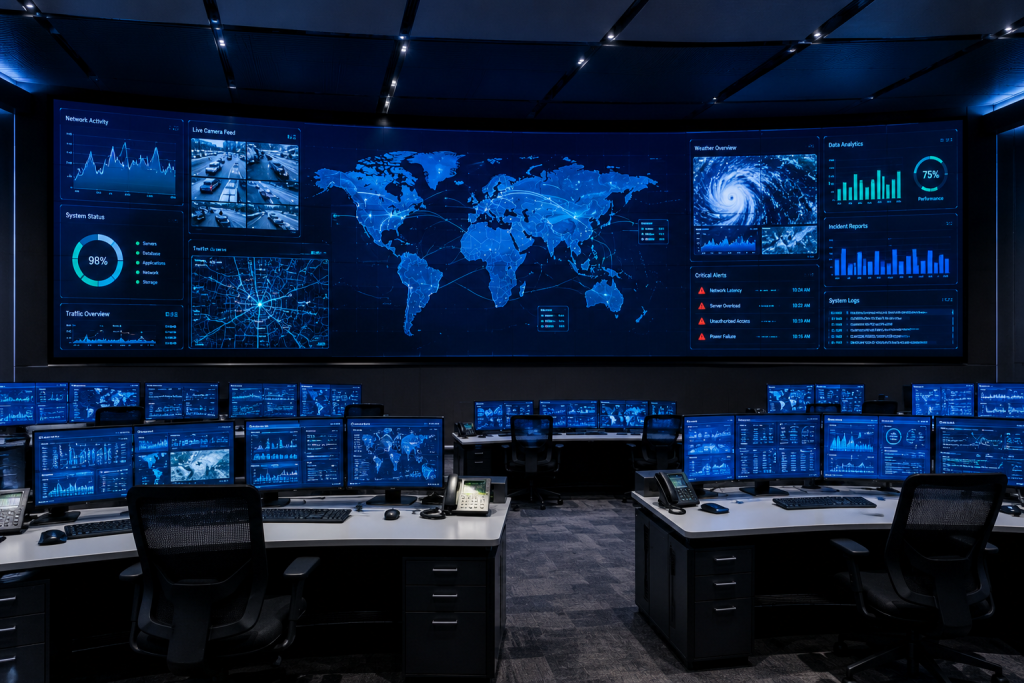
Three technical advances reshaped the market: modular panels that snap together, tighter pixel pitch for closer viewing, and standardized controller workflows. Rental teams gained speed with preconfigured cabinets and control racks, which reduced setup hours and minimized on-site calibration. Real-world anchors like Times Square installations and stadium deployments during the Tokyo 2020 Olympics showed how scale and repeatability influence purchasing and rental decisions across events and corporate activations.
Operational production teardown: what rental teams actually check
When technicians unpack a unit, they run a short checklist: cabinet integrity, pixel pitch consistency, signal chain verification, and a brief color calibration. In this operational production teardown they confirm cabinet seams, test the LED modules, and validate the media server handshake with the display processor. Using the terms LED Video wall and led wall here is deliberate — rentals must treat them as systems: display, processing, and mounting. Attention to refresh rate and thermal behavior during a test pattern avoids surprises on show day.
Design and corporate integration trends
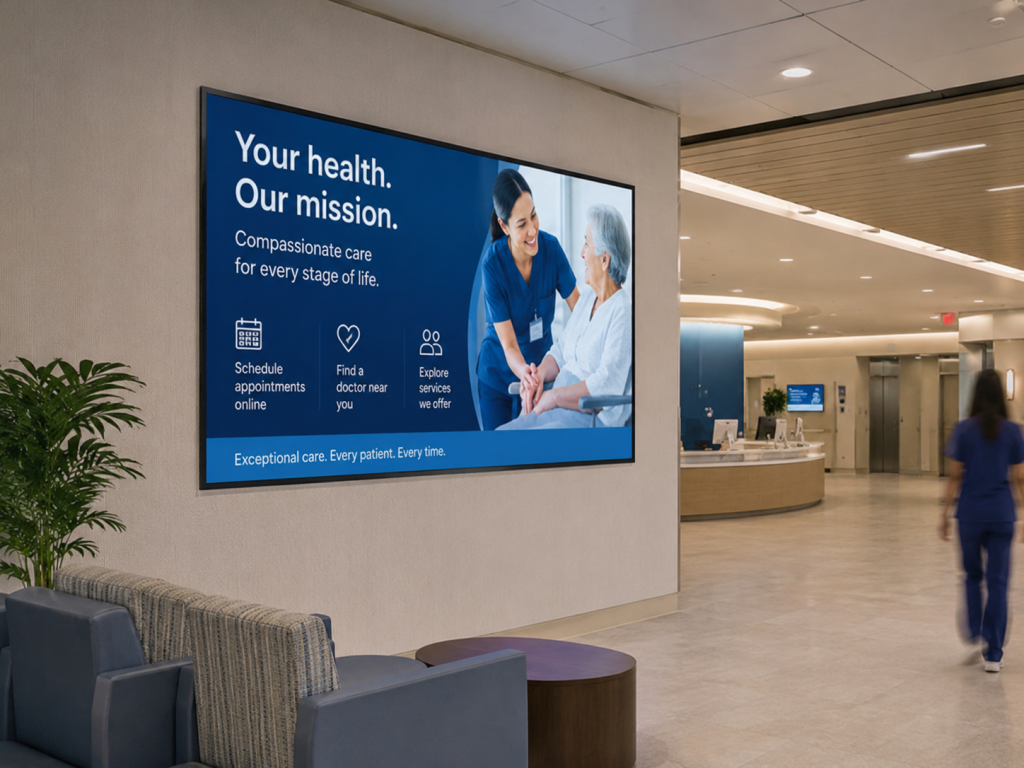
Corporate spaces favor displays that blend with interiors and handle ambient light. Curved installations, fine-pitch indoor panels, and HDR-ready processors are common. Planners choose solutions that allow for quick removal and reuse — the economics of rental hinge on unit longevity and transportability. Calibration profiles and spare-module strategies reduce downtime but require discipline in inventory and matching serial numbers across cabinets — a small administrative practice that pays off.
Common pitfalls and how rental teams bypass them
Failures still recur: mismatched pixel pitch across batches, overlooked firmware versions, and weak mounting points. Teams that win consistently adopt two habits: strict version control for firmware and a routine physical test under show lighting. These practices prevent color shifts and flicker. Also, a simple spare-parts kit—controllers, power supplies, and a couple of modules—solves most mid-event faults quickly.
Choosing a rental partner: what matters most
Experience matters, but so do measurable capabilities. Look for partners that document mean time to replace (MTTR) on modules, list panel brightness ranges in nits, and publish supported refresh rates and input formats. Service-level clarity beats marketing blur. The best rental houses provide test reports and a consistent set of calibrated color profiles for repeat clients, which shortens rehearsal time and reduces client stress.
Three golden rules for procurement
Assess displays using these metrics: 1) Visual fidelity — confirm pixel pitch and color calibration samples under your venue lighting; 2) Operational reliability — check MTTR, spare inventory, and documented setup time; 3) Integration fit — verify mounting, power, and signal routing match the venue’s constraints. These three metrics make selection concrete and repeatable for procurement teams working with tight schedules.
Closing reflection and practical value
The rental market matured because vendors standardized hardware and processes, and because events demanded speed without sacrificing image quality. Suppliers that document performance, support fast calibration, and offer robust logistics win more corporate business. Coblinks fits naturally into that conversation because the company’s portfolio connects technical detail with practical rental workflows — a useful bridge for planners and technicians alike. Final word: trust measured systems, not just glossy specs. Worth keeping in mind.