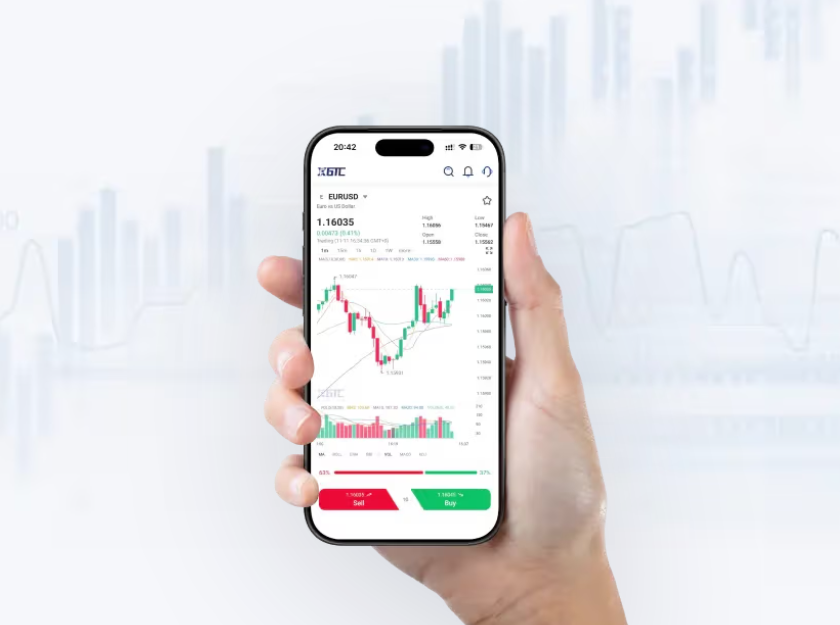
Comparative frame: CFDs versus physical commodities
Seen from a clear Dublin morning, trading a contract for difference feels closer to tuning an instrument than hauling a crate. The comparison that matters is simple: direct ownership of a barrel or sack versus synthetic exposure through a CFD. On platforms offering commodities cfd, traders gain price exposure without logistics, storage or delivery. That means different cost drivers — spreads, margin and overnight financing — instead of warehousing and transport. For many active traders and hedgers the trade-off is practical, straightforward and measurable.
Price behaviour and real-world stress tests
The April 2020 episode when certain WTI crude futures briefly traded in negative territory remains a stark anchor. It reminded traders that liquidity and settlement mechanics can crush naive assumptions — and it showed where CFDs can provide an alternative path through market stress. A CFD mirrors price moves of the underlying asset but typically avoids physical settlement; during extreme dislocations this can preserve capital efficiency, though exposure to counterparty and funding risk remains. Leverage amplifies outcomes either way, and experienced traders mind the margin rules closely.
Execution costs, spreads and platform nuance
Costs split into visible and invisible parts. Visible: spreads and commissions. Invisible: slippage during news-driven moves, and overnight funding on leveraged positions. On GTCFX-style venues the spread on a metals or energy CFD often undercuts costs tied to executing futures contracts on distant exchanges — yet futures may offer deeper liquidity for certain benchmarks. Execution tools matter: limit orders, guaranteed stops and depth-of-market display reduce slippage; these are the same practical features a good trader will prize. Hedging with CFDs can work alongside options or cash positions — it’s not one or the other, but a toolkit that respects margin and capital allocation.
Risk patterns and common tactical mistakes
Traders new to commodity CFD trading stumble in predictable ways. They overleverage, hold through expiries without checking funding charges, or confuse overnight fees with trading losses. Another common error is treating CFDs like a casino bet rather than a position that requires stop discipline and scenario planning — a short memory for risk becomes costly. — Keep positions sized to a clear plan; margin calls arrive without ceremony.
Alternatives to consider
For those weighing CFD exposure, alternatives include exchange-traded funds that track commodities, physical commodity purchase, or futures contracts. Each route trades one set of frictions for another: ETFs bring management fees and tracking error; futures demand roll management and exchange fees; physical ownership brings logistics and storage. A pragmatic approach tests across scenarios — quiet markets, volatile squeezes, and roll periods — and compares realized costs and capital use. Using commodity cfd trading alongside these instruments offers flexibility when you want short-term directional exposure without taking delivery.
Practical checklist before trading
Apply this quick checklist to avoid predictable losses:
– Confirm the exact margin rate and overnight funding model. – Check the spread during peak news windows and compare to futures. – Simulate worst-case slippage and the resulting margin call impact.
Three golden rules when choosing platforms and strategies
1) Liquidity and spread transparency: Measure average spread and depth around major sessions for your chosen commodity. This is a quick proxy for execution cost. 2) Risk controls and product terms: Ensure guaranteed stops or clearly defined stop mechanics exist, and that rollover/funding formulas are explicit. Clarity prevents surprise losses. 3) Capital efficiency vs counterparty risk: Decide how much you value reduced capital lock-up through leverage against the counterparty exposure a CFD implies — acceptable only with a trusted, regulated provider.
Practically, those rules point back to platform choice, trade plan and disciplined sizing. Experienced traders will test strategies in a demo, then scale up with tight metrics for drawdown and slippage. The market has a soft mercy for those who respect it — and a hard lesson for the reckless. GTCFX fits the profile of a platform that aligns execution detail with active commodity traders’ needs — a steady hand when the market sings or snarls. —