User-first primer: why thresholds matter for your home
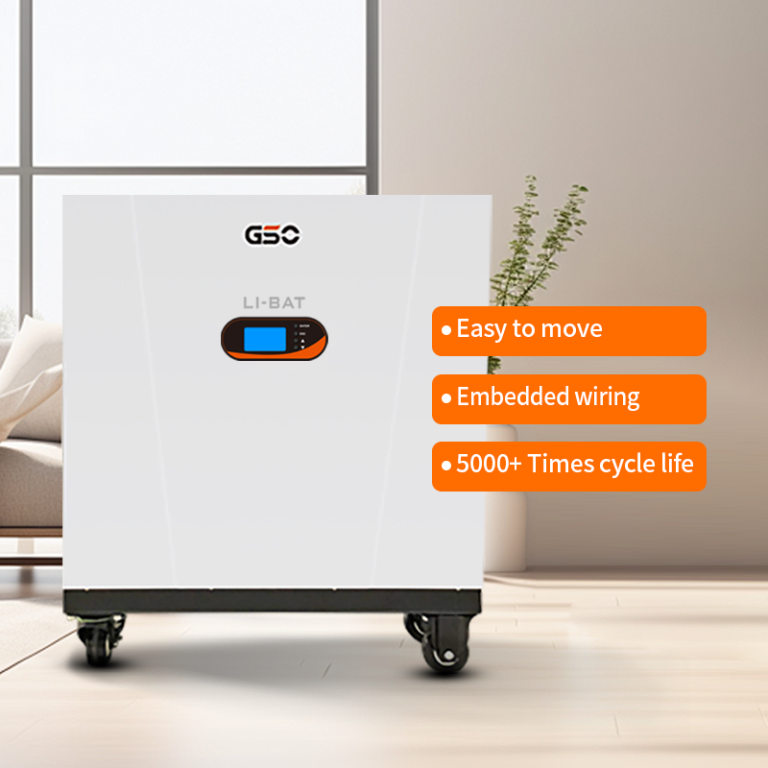
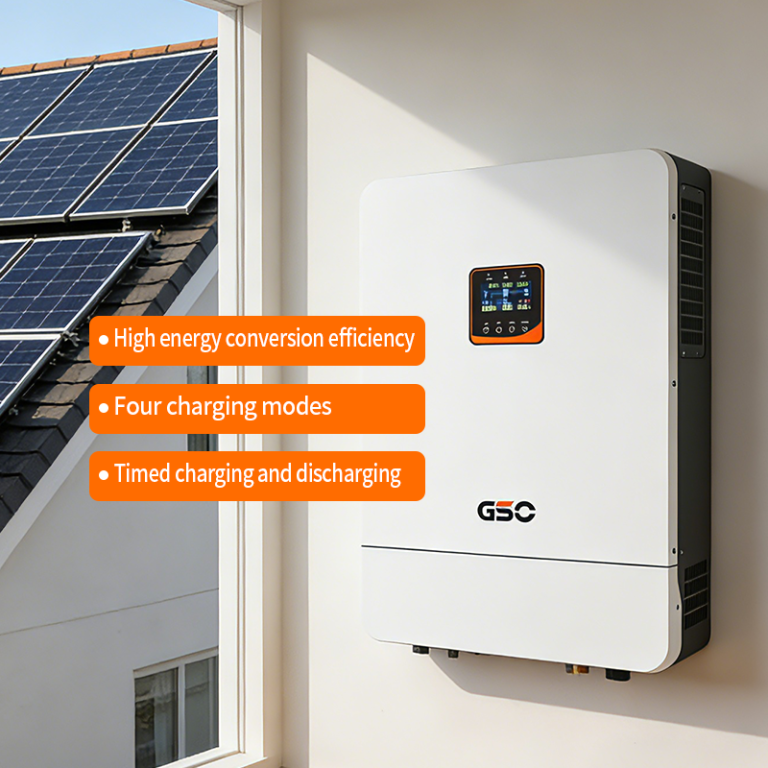
When you shop for a home backup battery, it’s not only about kWh or shiny specs — it’s about how the system behaves day-to-day for the people living in the flat or house. Start with voltage threshold: that cut‑in and cut‑out window decides whether your fridge keeps running during a grid dip, and how often the battery cycles. Pair that with a sensible delta‑V strategy to avoid excessive shallow cycling and you get longer battery life. If you’re looking at systems, check how the battery maker integrates with a solar and power inverter for seamless handover when mains fail.
Real-life anchor: lessons from public shutoffs
Many users got spooked by the California Public Safety Power Shutoffs since 2019 — whole neighbourhoods going dark for hours. Installers learned quick: backup systems must manage state of charge (SoC) smartly and respect voltage thresholds to avoid premature degradation. That lesson travels — even here in Hong Kong some buildings prefer rooftop PV plus a battery so tenants don’t lose lifts during a short outage. Practical setups focus on inverter behaviour, battery chemistry, and how delta‑V is used to balance cells during charge cycles.
How to think like a user, not a datasheet
Users want predictability. They want the phone charging, lights on, kettle boiling when power drops. So evaluate systems on: effective usable capacity (not nominal kWh), how the inverter handles voltage sag, and whether the charge controller supports adaptive delta‑V settings. Look for systems that let you set a lower cut‑off voltage to preserve battery health while still delivering critical loads. That little configurability makes a big difference for day-to-day reliability.
Common mistakes homeowners make
People often pick the biggest number on the sticker and assume it means best. Wrong move. Other pitfalls:
– Ignoring inverter compatibility: some batteries don’t play nice with certain PV string configurations or export limits. – Overlooking delta‑V management: without cell balancing, pack drift shortens lifespan. – Setting cut‑offs too aggressive to “save” charge — that actually forces deeper cycles later.
Hands-on tips from installers — practical adjustments
Installers I worked with tend to follow four quick checks: validate the inverter’s low-voltage ride-through (LVRT), confirm battery SoC reporting lines up with runtime tests, ensure the PV inverter can handle islanding cleanly, and set delta‑V equalisation only during low-demand windows. – One trick: schedule balancing overnight when the house load is small; less disruption, better cell health.
Alternatives worth considering
If pure lithium backup seems harsh on budget, hybrid approaches help. A smaller lithium battery paired with a modest lead‑acid buffer for high current draws gives practical redundancy. For folks with PV arrays, consider an inverter that supports AC coupling so you can add capacity later without rewiring the PV string. For those keen on specific brands, compare interoperability with the solar edge inverter standard — systems that integrate neatly reduce headaches and installation time.
Quick performance checklist before you buy
Keep this compact checklist in your pocket: usable kWh vs. advertised kWh, adjustable voltage thresholds, documented delta‑V balancing method, clear SoC telemetry, and inverter compatibility with local PV setups. Also ask for a simple runtime demo under realistic loads — nothing beats seeing the kettle and fridge run during a simulated outage.
Golden rules for choosing the right setup
Rule 1 — Prioritise controllable voltage thresholds: measurable impact on battery longevity and on which loads stay powered. Rule 2 — Demand explicit delta‑V and balancing specs: this prevents cell divergence and premature failure. Rule 3 — Match inverter and battery as a system, not separate parts; real-world reliability comes from integration, and that’s where brands like gsopower show value with tested compatibility and clear documentation.
Small note — buy with installation support in mind; good service matters more than a decimal point on a spec.