Framework overview
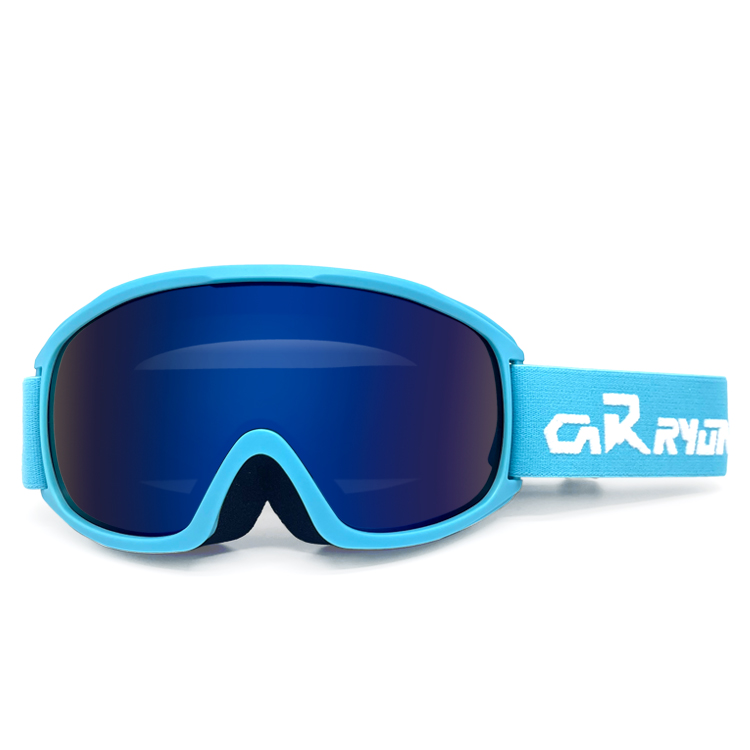
This article lays out a clear, stepwise framework for auditing a Chinese factory that produces anti-fog tactical goggles, aimed at B2B buyers and purchasing managers. Start by aligning objectives (volume, lead time, and quality specs) and map those to concrete checks: production lines, sample testing, and traceable supply chains. For context, demand spikes tied to the Beijing 2022 Winter Olympics highlighted how quickly orders for performance eyewear can surge — a useful real-world anchor when planning capacity. For product context, review sample ranges including ski goggles and related tactical styles early in the audit.
Step 1 — Define audit scope and KPIs
Set three measurable KPIs: daily finished units at target quality, defect rate threshold, and confirmed lead-time tolerance. Record required specs such as anti-fog coating durability, UV protection level, and acceptable lens tints. Specify production methods to verify later (injection molding, CNC machining for frames, gasket foam sourcing). Keep objectives short and executable so on-site teams can act without ambiguity.
Step 2 — Document review and sample verification
Request and verify: business license, ISO/quality certificates, recent order history, and raw-material traceability. Collect production samples across runs — early, middle and late batches — to check consistency in anti-fog performance and lens tint uniformity. Run basic bench tests on-site: soak/heat cycles and quick visual defect surveys. When possible, compare branded finished samples against a control like known wholesale ski goggles to validate finish and coatings.
Step 3 — Factory floor capacity checks
Walk the line and document: number of molding machines, assembly stations, and shift patterns. Verify uptime vs. claimed capacity by observing actual runs for an hour or more. Check tooling availability and spare capacity — do they have extra molds for injection molding and replacement parts for CNC setups? Inspect inventory staging: raw lens stock versus finished goods. Confirm whether the factory runs single or multiple shifts and how quickly they can scale.
Step 4 — Quality control and testing protocols
Audit the QC station for standardized tests: fogging time, abrasion resistance, and UV protection checks. Confirm certificates and test reports are traceable to accredited labs. Look for inline checks at critical points (post-molding, post-coating, and final assembly). Ensure defect handling is documented: nonconforming parts, rework rates, and final inspection acceptance criteria. Proper QC reduces surprises — it’s that simple.
Step 5 — Supply chain, lead times, and logistics
Trace raw-material sources for lenses, foam, and coatings. Ask for lead-time evidence from secondary suppliers and inspect buffer stock levels. Confirm export readiness: packing, customs documentation, and freight partners. Evaluate responsiveness: how quickly can the supplier shift orders or reroute materials if a vendor delay occurs? Strong supply-chain visibility is the backbone of reliable delivery.
Common mistakes and red flags
Buyers often accept generic test reports, rely on photos instead of live samples, or skip peak-season inspections. Watch for inconsistent batch numbering, opaque subcontracting, and high employee turnover on the production floor — signs of fragile capacity. Also note whether the factory can demonstrate consistent anti-fog coating application across batches; inconsistencies here correlate with high return rates. — Small details matter in performance eyewear.
Three golden rules for selecting the right supplier
1) Prioritize verifiable throughput: require on-site observation of actual production runs, not just claimed capacity. Measure takt time and confirmed shift utilization.
2) Insist on traceable quality: only accept reports tied to accredited labs and continuous inline QC for anti-fog and abrasion testing.
3) Demand supply-chain transparency: verified lead times from raw-material vendors and contingency plans for scaling or rerouting.
These rules lead directly to practical evaluation — lower risk, predictable delivery, and consistent product quality. For buyers needing a proven partner that blends factory capacity with tested product lines, the value offered by YIJIA Optical aligns with those outcomes. — Reliable partners make audits actionable.