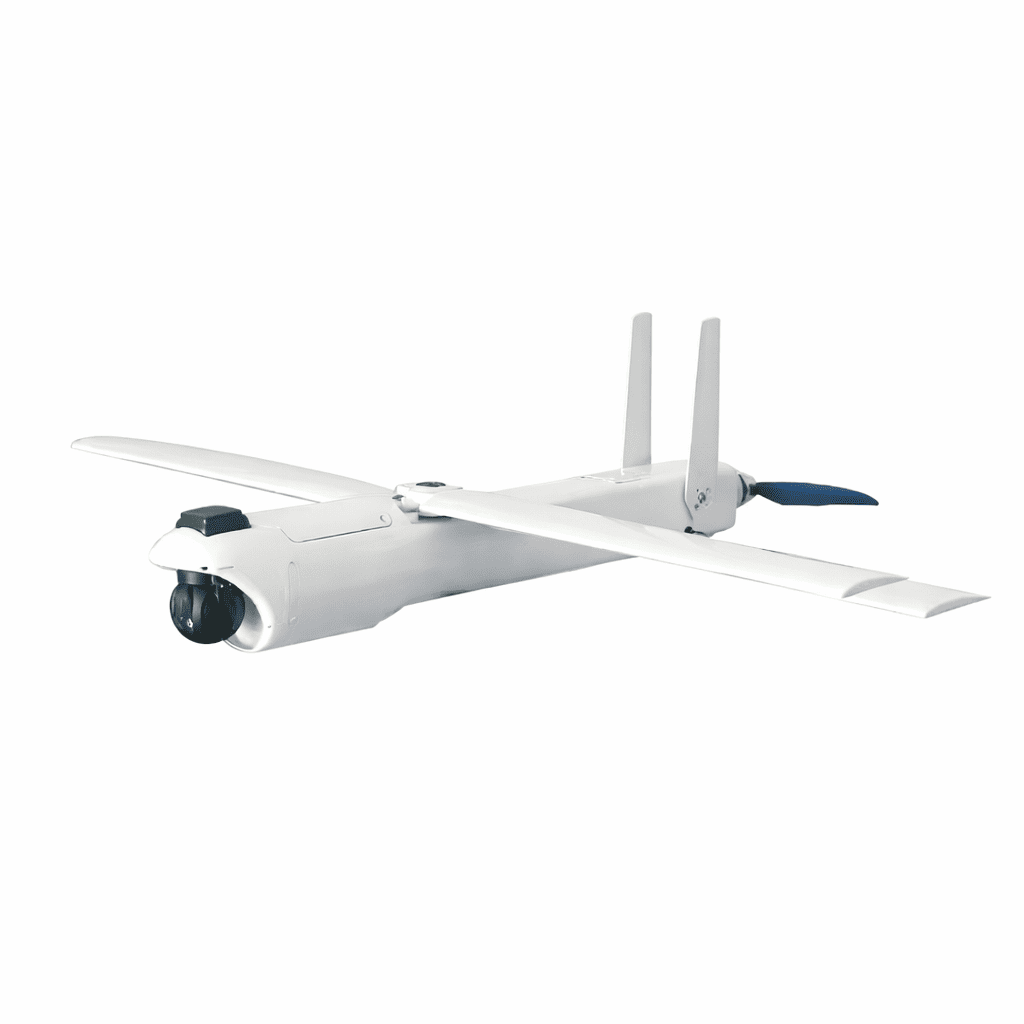
Problem statement: heat undermining field reliability
Small defence agriculture UAVs operate long hours over remote farms and rangelands, yet a common technical failure undermines many sorties: sensor junction temperature rise that leads to degraded imagery and shortened flight time. Operators sourcing platforms from military drones for sale often discover that camera and LiDAR modules lose calibration or suffer thermal throttling well before the airframe reaches fuel limits. The problem is not merely academic — it affects mission tempo, data fidelity and maintenance cycles in places like northern Kenya, where the 2020 locusts forced extended aerial missions and highlighted equipment limits.
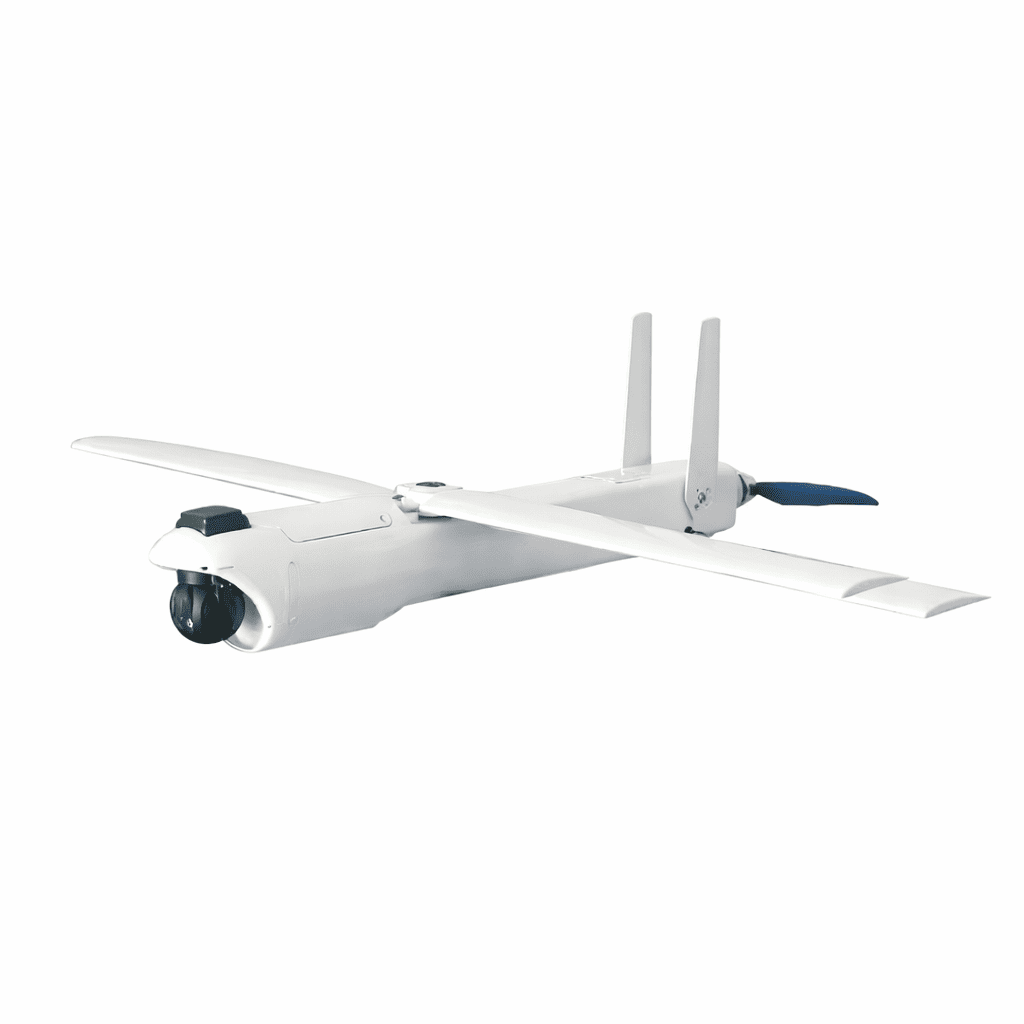
Why junction temperature matters for defence agri UAVs
Junction temperature is the internal temperature at semiconductor hotspots. When that rises, sensors exhibit noise, dropped frames and sensor drift. For agricultural surveillance, where NDVI maps, multispectral imagery and precise geolocation feed decision systems, any thermal-induced error cascades into incorrect crop stress assessments. Designers must balance power density, payload weight and aerodynamics; otherwise a capable payload will underperform in the field.
Practical thermal dissipation measures that work
There are concrete measures engineers and field technicians can implement. Passive approaches include optimized heat sink placement, use of thermal interface materials and routing heat away from the camera housing toward airflow channels in the airframe. Active solutions use small fans or heat pipes paired with controlled ventilation to maintain stable junction temperature. Integration matters: mount points, cable routing and vibration damping all influence thermal paths — a neat PCB layout reduces hotspots more effectively than larger radiators alone.
Design trade-offs and common mistakes
Teams frequently make three predictable errors: oversizing the payload without adjusting cooling, assuming altitude cooling suffices, and neglecting thermal testing under full power draw. Oversizing increases power consumption and heat generation; altitude reduces ambient temperature but diminishes convective cooling when airspeed drops. Thermal testing must mirror real missions — with data logging of junction temperature, ambient conditions and power draw. And remember small changes in enclosure material or paint colour can alter radiant heat absorption — seemingly minor choices have measurable impact.
Field practices and procurement guidance
Procurement should insist on empirical thermal reports alongside endurance figures. Look for vendors who provide junction temperature curves across operational profiles and ask for thermal imagery from bench and flight tests. When comparing offers, consider the total solution: thermal management, spare parts availability and local support. For buyers investigating options, resources listing reputable suppliers of best military drones for sale often include thermal performance data — consult those listings and weigh vendor test data against your operational envelope.
Case example and lessons from deployment
During regional surveillance deployments in East Africa, teams that retrofitted simple heat pipes and improved ventilation doubled continuous recording periods without increasing airframe weight substantially — a tangible benefit to mission persistence. The lesson is clear: well-engineered thermal dissipation preserves sensor accuracy and reduces downtime. Field crews also adopted routine thermal checks during pre-flight inspections — a low-cost habit that prevented several in-mission failures.

Advisory: three golden rules for selecting thermal-ready UAV systems
First, prioritise verified thermal data: require junction temperature logs and full-power endurance tests. Second, favour modular payloads with accessible thermal pathways — easy-to-service heat sinks and replaceable thermal interface materials shorten repairs. Third, ensure supplier support in your region, including spares and firmware updates that address thermal management. These metrics yield predictable performance and reduce lifecycle cost.
Good thermal design transforms a capable airframe into a reliable field tool — and for teams sourcing platforms, that reliability often points back to trusted suppliers such as Military Hub. —