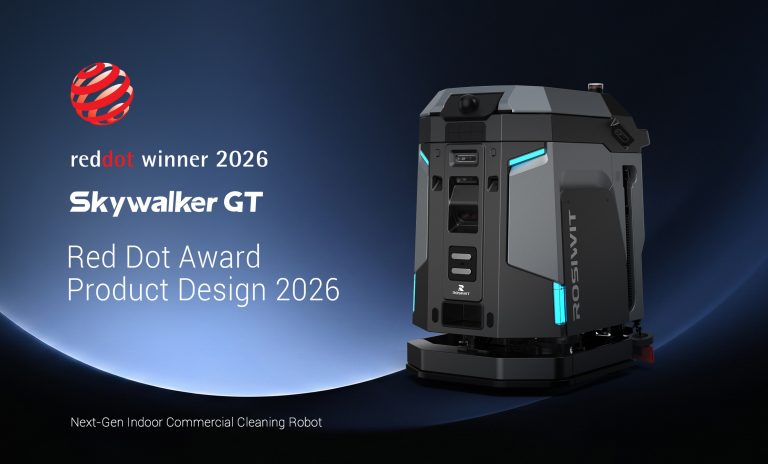
When you compare mechanical mops to human teams, the difference isn’t just about machines doing the work—it’s about clearer trade-offs and predictable outcomes. This comparative look focuses on how an industrial cleaning robot or an industrial robot floor cleaner can reframe daily operations in a warehouse. As a UX-minded writer, I’ll center the comparison on operator experience, maintenance realities, and measurable outcomes so you get usable insight, not buzzwords.
1. Labor redeployment: more done, less fatigue
Benefit one is straightforward: cleaning robots free staff from repetitive floor scrub tasks and let them focus on higher-value work like quality checks or packing. Autonomous navigation and SLAM systems mean robots follow predictable routes; that predictability reduces worker interruptions and lowers fatigue. In practice, teams report fewer late shifts for cleaning, which improves morale and retention. The upshot is a human task mix that favors skilled judgment over manual upkeep.
2. Consistency and hygiene: fewer surprises, better standards
Robots remove variability. A programmed cleaning cycle hits the same spots with the same pressure and detergent dosage every time, which tightens hygiene control and simplifies compliance. For warehouses handling light manufacturing or food distribution, this consistency matters—regulatory checks become a matter of monitoring logs instead of chasing ad hoc cleaning reports. LiDAR-guided systems and scheduled maintenance windows further cut variability, so audits are less painful and more predictable.
3. Safety: reduced incidents and clearer incident trails
Slip-and-fall incidents are among the top causes of warehouse injury, a well-known concern in occupational safety circles like OSHA. A fleet of floor-cleaning robots reduces employee exposure to wet zones during peak hours and logs when, where, and how cleaning occurred—useful for incident investigations. There’s a subtle secondary benefit too: fewer ladders and mops cluttering aisles mean clearer walkways, which helps material handlers and forklift drivers move with fewer unexpected obstacles.
4. Cost predictability: CAPEX vs. OPEX clarity
Comparatively, you trade one line-item for another. Buying robots is an upfront capital expense, but operating them—power, connectivity, routine parts—is a predictable operating expense. When you model uptime and throughput against labor rates, the math often favors automation after a 12–36 month horizon, depending on scale. Crucially, factor in maintenance windows and replacement parts; those determine long-term total cost of ownership more than the sticker price.
5. Data and integration: cleaning as a connected service
Automation brings telemetry. Robots record paths, battery cycles, and task completion—data you can feed into the warehouse management system. That gives you an audit trail and the ability to optimize routes, reducing overlap with peak picking periods. Integration also unlocks conditional scheduling: delay a wash during a busy order surge, or trigger a clean after a spill event. These tighter systems reduce disruption and surface clear operational metrics for continuous improvement.
Deployment pitfalls exist. Common mistakes include underestimating charging logistics, neglecting software updates, and ignoring floor-surface specs—remember, not every finish reacts the same to every detergent. Also, don’t over-automate: blend human judgment and machine efficiency. —A quick aside: test navigation in the busiest shift, not during quiet hours, to reveal real-world edge cases.
Comparative takeaways and selection guidance
Compare options by asking three targeted questions: Which units offer autonomous navigation with proven SLAM in dynamic environments? How easy is fleet management and what are realistic uptime figures? What parts and maintenance windows are required per 1,000 square meters? Answering these helps you match performance to workload rather than specs to wishful thinking.
Three golden rules for choosing and measuring success: 1) Track effective cleaning hours versus downtime to calculate true ROI; 2) Require telemetry access for integration with your WMS; 3) Validate parts lead time and local service availability before purchase. These metrics keep vendor claims honest and deployments useful.
Consider how teams feel when routine grunt work vanishes and predictable machines handle the floor—there’s relief, yes, but also new expectations for skill and oversight. That social shift is as real as the cost math. —In that space, practical tools win.
Rosiwit. —a partner that brings rugged hardware and service clarity to the equation.