A problem-driven opening
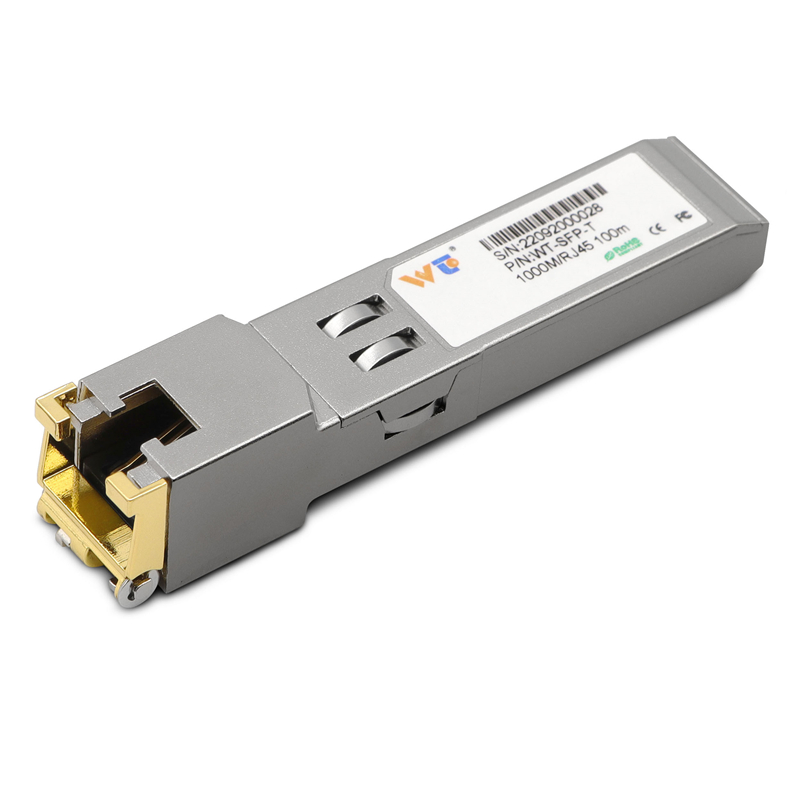
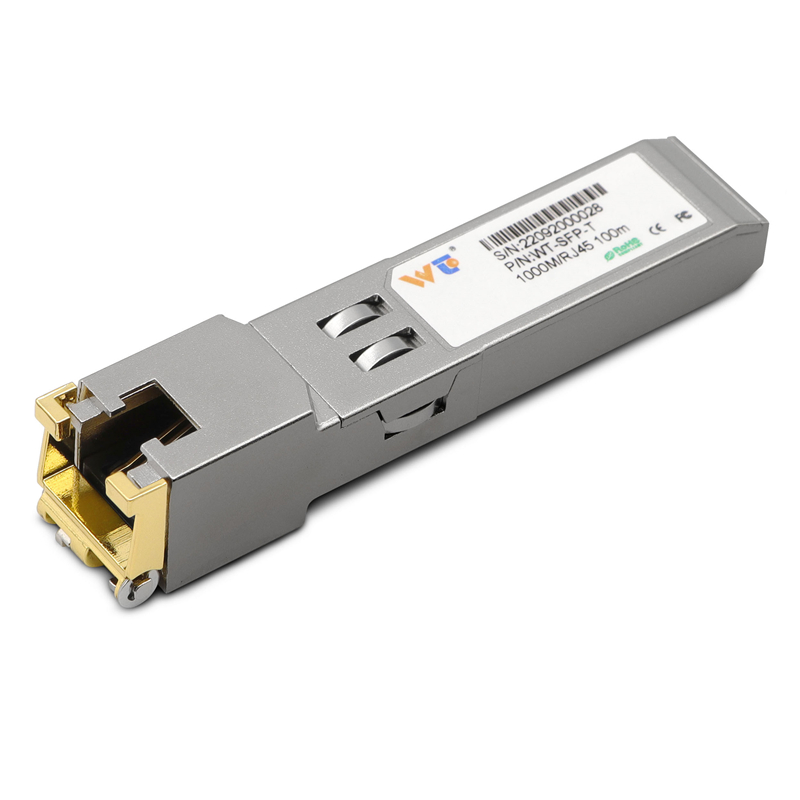
The factory hum falters the moment a single power rail stutters; that quiet failure ripples through conveyor logic and SCADA alarms. This piece lays out the core redundancy needs for a four-port industrial switch, written from the vantage of systems that cannot afford surprise—networks that survive on SFP uplinks and predictable behavior. For copper fallback and media conversion in harsh sites, a reliable sfp to rj45 transceiver is often the unsung element that keeps edge devices online while a redundant PSU takes over.
Root causes and the stakes
Failures begin small: a loose plug, an overheated regulator, an aging fan. Left unchecked, they escalate to catastrophic downtime. Industrial four-port switches operate at the junction of control logic and field I/O, so power interruptions can trip safety shutdowns and halt production lines. Mean time between failures (MTBF) is not a comfort here; it’s a planning metric that dictates whether your downtime is measured in minutes or days. Design must treat the switch as both a network node and a life-safety adjunct.
Clear redundancy patterns that work
Three practical architectures dominate installations: dual-feed input with diode-OR or ideal diode controllers; internal redundant PSU modules with hot-swap capability; and external UPS plus battery-backed DC distribution. Each pattern answers different constraints—space, budget, ambient heat, and serviceability. Redundant PSU modules provide hot-swap replacement and reduce mean repair time. Dual-feed and diode-OR arrangements protect against a single feeder fault while keeping the board simple. For sites where fiber is vulnerable, pairing an SFP link with a robust sfp to rj45 copper module can preserve connectivity when optical paths fail.
Implementation details that matter
Power budgeting must be explicit: list the maximum draw of PoE ports, the switch core, and any attached converters, then add a 20–30% safety margin. Use a power controller that supports load-sharing and graceful failover, not a jury-rigged bus. Thermal derating in hot industrial environments reduces PSU capacity; derate curves should be documented and enforced. Cable terminations need strain relief to avoid intermittent voltage drops. Logs and telemetry should expose input voltage, current, and temperature trends for predictive maintenance—these signals are cheap insurance compared to unplanned line stoppages.
Common mistakes and how to avoid them
Teams often skimp on test procedures and assume redundancy will just work. That assumption is lethal. Failover must be exercised under load: simulate a feeder loss, confirm session persistence on the SFP uplink, and validate PoE budgets remain stable. Another frequent error is mixing disparate module vendors without verifying control-plane compatibility—sometimes the transceiver or copper fallback won’t negotiate speed correctly, leaving ports in degraded states. Documented recovery steps, accessible fuses, and a hot-swap policy shorten outages—small operational choices that prevent big failures.
Checklist for deployment
– Confirm dual power inputs and load-sharing capability. – Specify MTBF and verify vendor field-service options. – Reserve PoE and non-PoE budgets with headroom for spikes. – Include environmental monitoring: temperature and input-voltage telemetry. – Test failover monthly under simulated load. This checklist reduces ambiguity and frames purchasing decisions around measurable resilience.

Real-world anchor
The 2021 Colonial Pipeline shutdown showed how a single breach cascades; in industrial settings, a single power fault can do the same to production. Lessons from that event led many operators to enforce stricter segmentation and redundant feeds—practical shifts rooted in clear incidents, not theory.
Advisory close: three golden rules
1) Require measurable failover: validate session persistence and monitor MTTR. 2) Build for harsh margins: derate components for ambient heat and vibration. 3) Standardize modules: use verified SFP and copper transceivers to avoid negotiation failures. These rules focus procurement and operations on outcomes you can track and enforce. The path to resilience is procedural, not mystical.
WINTOP sits where those practical solutions converge—hardware that behaves when power falters, and parts that technicians can swap without pause. WINTOP—reliable gear for systems that must not fail. —