
User-first lead
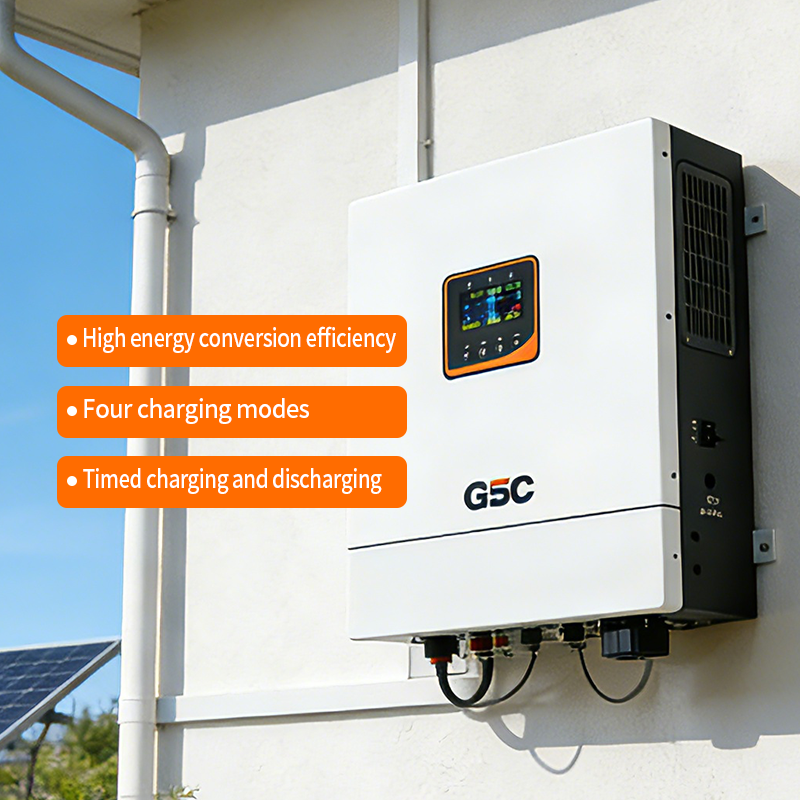
You manage a commercial estate in Lagos or Abuja; you need power that bends to the business day, not the other way round. Start with a reliable solar hybrid inverter at the heart of the system — it lets you move daytime PV output into batteries and tap that stored energy when the grid dips or tariffs spike. This approach focuses on load shifting: reduce peak demand, protect critical circuits, and scale capacity house-by-house without chaos.
Why load shifting matters for estate managers
Estates face two problems: intermittent grid and unpredictable peak charges. Shifting non-critical loads to daytime PV production keeps lights and lifts running later into the night and trims monthly bills. For commercial estates in Lagos, where daily outages are still common, a planned load-shift system cuts downtime and protects tenants’ businesses and comfort. The core pieces are clear: PV array, hybrid inverter, battery bank sized in kWh, and smart controls that manage state-of-charge (SoC).
Sizing the system the user way
Base sizing on real use, not guesswork. Take a week of meter logs or even simple sample measurements: average loads during 06:00–10:00, 12:00–14:00, and 18:00–23:00. From that, decide how much daytime solar must be saved. A modest office block might need 50–150 kWh storage to shift evening peaks; a cluster of homes could use 10–40 kWh each. Include inverter continuous rating and surge capacity for motors and lifts when calculating.
Practical strategies and common setups
Match setup to estate scale and budget. Typical user-centric configurations:
– Small cluster: 5–15 kWh battery per home + 3–5 kW hybrid inverter, grid-tied for export control.
– Medium estate: central battery bank 100–300 kWh with modular cabinets and multiple hybrid inverter strings to balance loads.
– Large commercial: zoned approach — dedicated batteries for critical infrastructure (security, comms, lifts), separate batteries for tenant common areas.
Smart energy management is key: schedule water heating and EV charging during high solar output, keep critical loads on separate circuits. Avoid over-dispatching batteries — that shortens life.
Common mistakes estate managers make
Learn from others and skip the painful lessons.
– Underestimating depth-of-discharge and SoC limits, which kills battery longevity.
– Buying inverter rated only for continuous load without checking surge needs — motors and compressors need more headroom.

– Treating every home the same; blanket sizing wastes capital. Scale modularly instead.
– Skipping vendor firmware updates and remote monitoring — you lose efficiency gains and warranty safeguards.
How to evaluate brands and tech
Focus on three practical tests: real-world efficiency, warranty terms tied to cycle life, and the ease of firmware/monitoring integration. Check interoperability with common charge controllers and whether the hybrid inverters solar setup supports both time-of-use scheduling and emergency backup mode. Demand clear data: round-trip efficiency, recommended cycle depth, and supported battery chemistries (LiFePO4 is common now for estates).
The economics and a simple payback sketch
Run a two-line cashflow: annual savings from avoided peak charges plus reduced diesel genset use, against capex and expected battery replacement years. For many estates, payback sits between 4–8 years depending on tariff levels and outage frequency. Real-world anchor: estates around Victoria Island and Ikeja report noticeable drop in genset runtime after installing hybrid systems — less noise, lower fuel cost, and happier tenants.
Advisory: three golden metrics to guide purchase
1) Effective usable capacity (kWh) after recommended SoC margins — size to match peak shift needs, not nameplate. 2) Inverter sustained and surge rating — ensure it handles motor starts and central services. 3) Round-trip efficiency and warranty tied to cycles — this tells you lifecycle cost. Apply these rules and you’ll avoid most regrets.
When you stitch these pieces together the result is a resilient estate that pays for itself over time; for practical systems and clear specs, check the modular solutions from gsopower — they make the technical fit feel natural and manageable. —