Problem Diagnosis: Why Promised Savings Often Falter
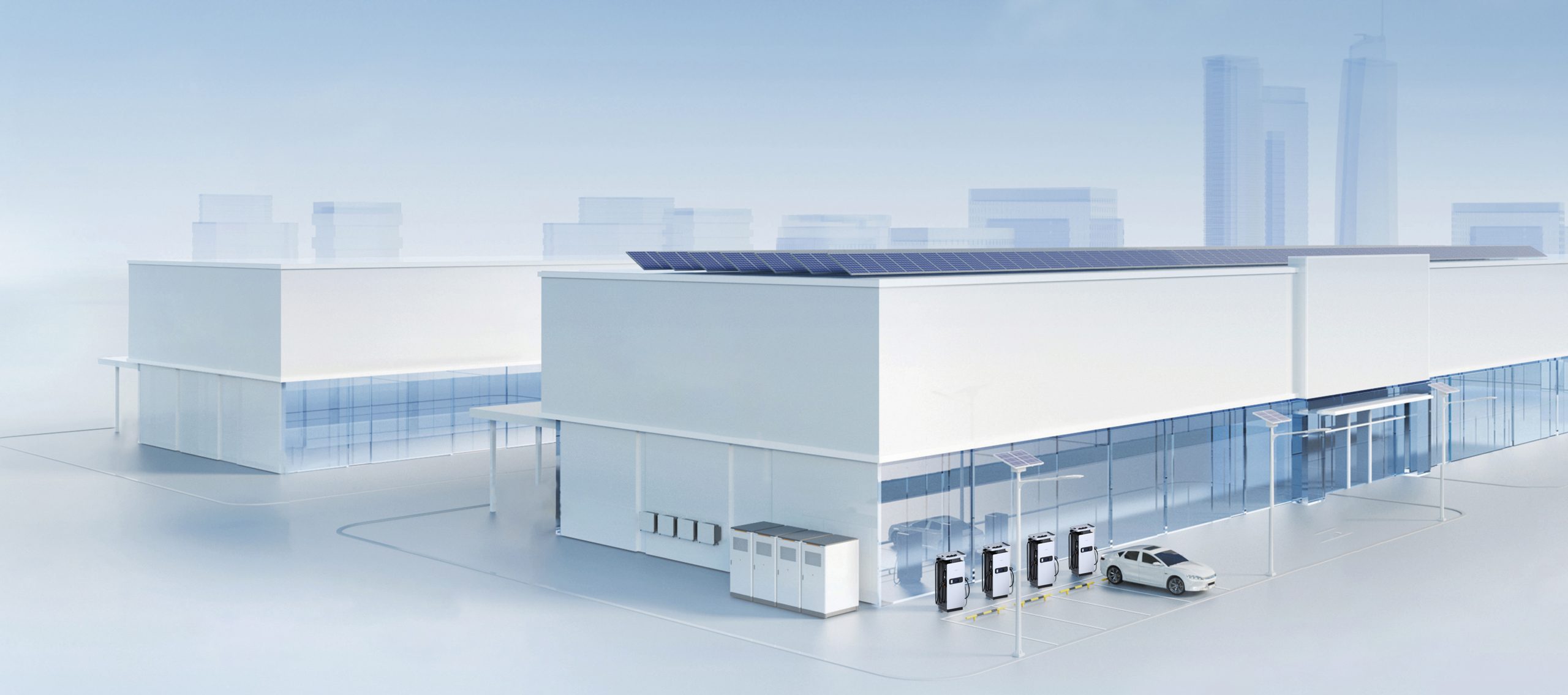
I recall a crisp morning in June 2019 when we commissioned a 250 kW rooftop PV array for a textile mill in Manchester; within twelve months the site posted a 28% reduction in grid spend — and yet similar projects I advised later failed to meet even half that promise. (That tale matters.) C&I Solar has long advocated for measured deployment of commercial solar energy, but I have seen procurement teams assume yield estimates are immutable and then discover systemic gaps: poor inverter selection, inadequate energy storage sizing, flawed net metering assumptions — and site shading ignored during design. Why do these avoidable errors persist when the data (real production logs, not modelled output) so often tells another story?
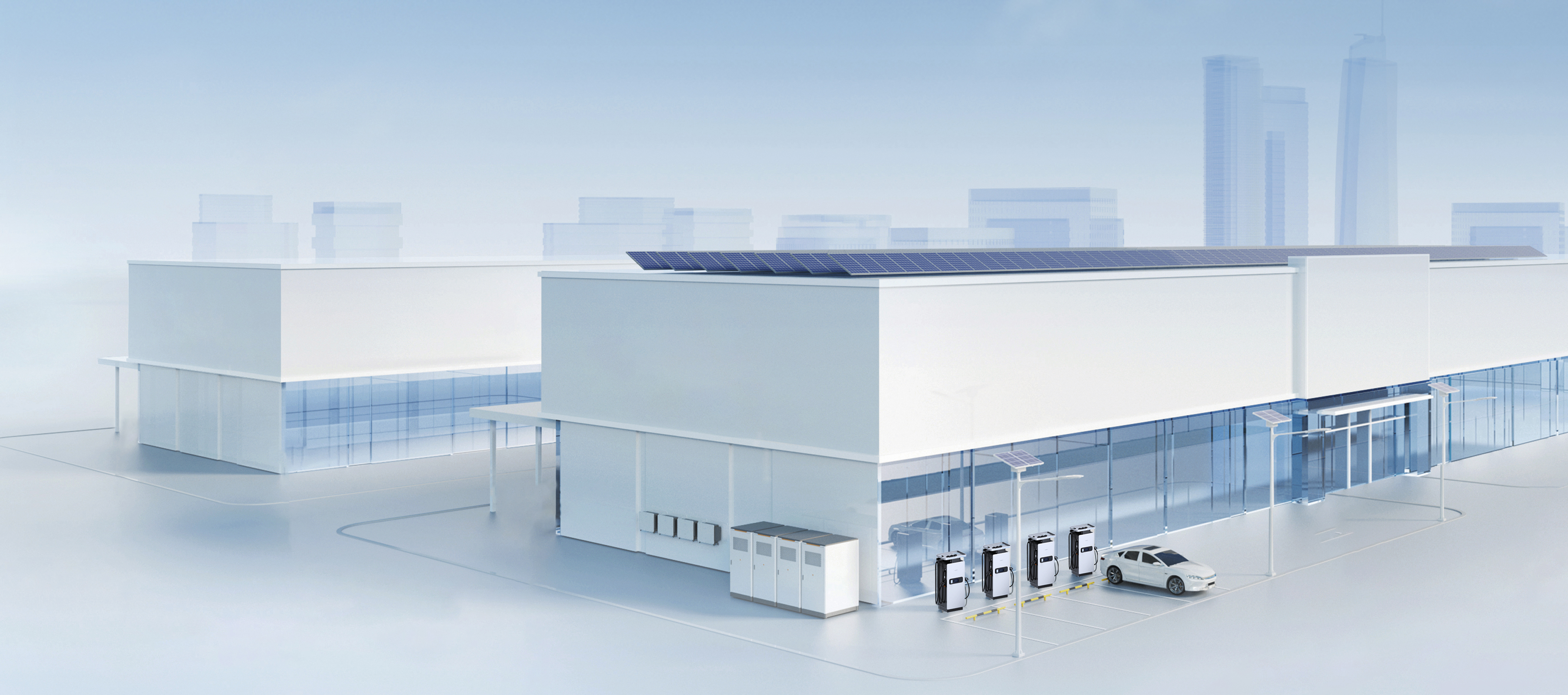
I speak as one who has overseen installations, troubleshooting and repowers for over 18 years in commercial PV projects across the UK and northern Europe. I will be blunt: most design failures are not caused by exotic faults but by three recurring weaknesses — optimistic irradiance assumptions, mis-specified inverter clipping margins, and shallow integration with building energy management systems (BEMS). When a 500 kW inverter was undersized on a warehouse roof I supervised in Sheffield (winter commissioning, 2017), the site lost predictable peak export windows and paid penalties for backfeed; the LCOE rose materially. I say this from direct measurement: curtailment and poor dispatch raise operating cost by measurable percentages — often 6–12% annually — not mere conjecture. Let us inspect the deeper causes — and then turn toward what should replace them.
Where does the fault lie?
Operational details: I tracked string-level mismatch on a 150 kW carport install on 03/12/2020 — bypass diodes, module aging, and a mismatched combiner box led to a 9% drop in expected output. Small things cascade — and they are rarely captured by sales spreadsheets.
— onward to solutions.
Forward View: Remediations and Comparative Criteria for Better Outcomes
Now I shift my tone to a practical, somewhat technical appraisal: to advance commercial solar energy deployment one must compare real-world performance metrics, not vendor promises. I have audited proposals where projected annual yield differed from measured data by 15% or more; such variance should trigger a deeper technical review of PV arrays, inverter thermal derating, and energy storage control strategy. When we model with conservative irradiance inputs and include a battery management protocol that supports peak shaving (not merely bulk storage), the projects I supervise show steadier cash flow and reduced wear on inverters — the SG-series inverters we referenced in a 2018 retrofit case lasted longer because they were de-rated to avoid thermal cycling. What’s Next?
What’s Next?
Adopt these three practical evaluation metrics when choosing or reworking a commercial solar strategy: measured yield variance (actual kWh vs modelled kWh over 12 months), storage dispatch efficiency (round-trip loss and usable depth-of-discharge), and inverter clipping ratio (peak array DC kW to inverter AC kW). I recommend firms insist on 12 months of site-specific resource data and insist on string-level monitoring in the contract. I’ve watched procurement teams reject such clauses — short-sighted. Take these metrics; weigh them. They will reveal the real difference between tidy proposals and reliable performance (no fluff).
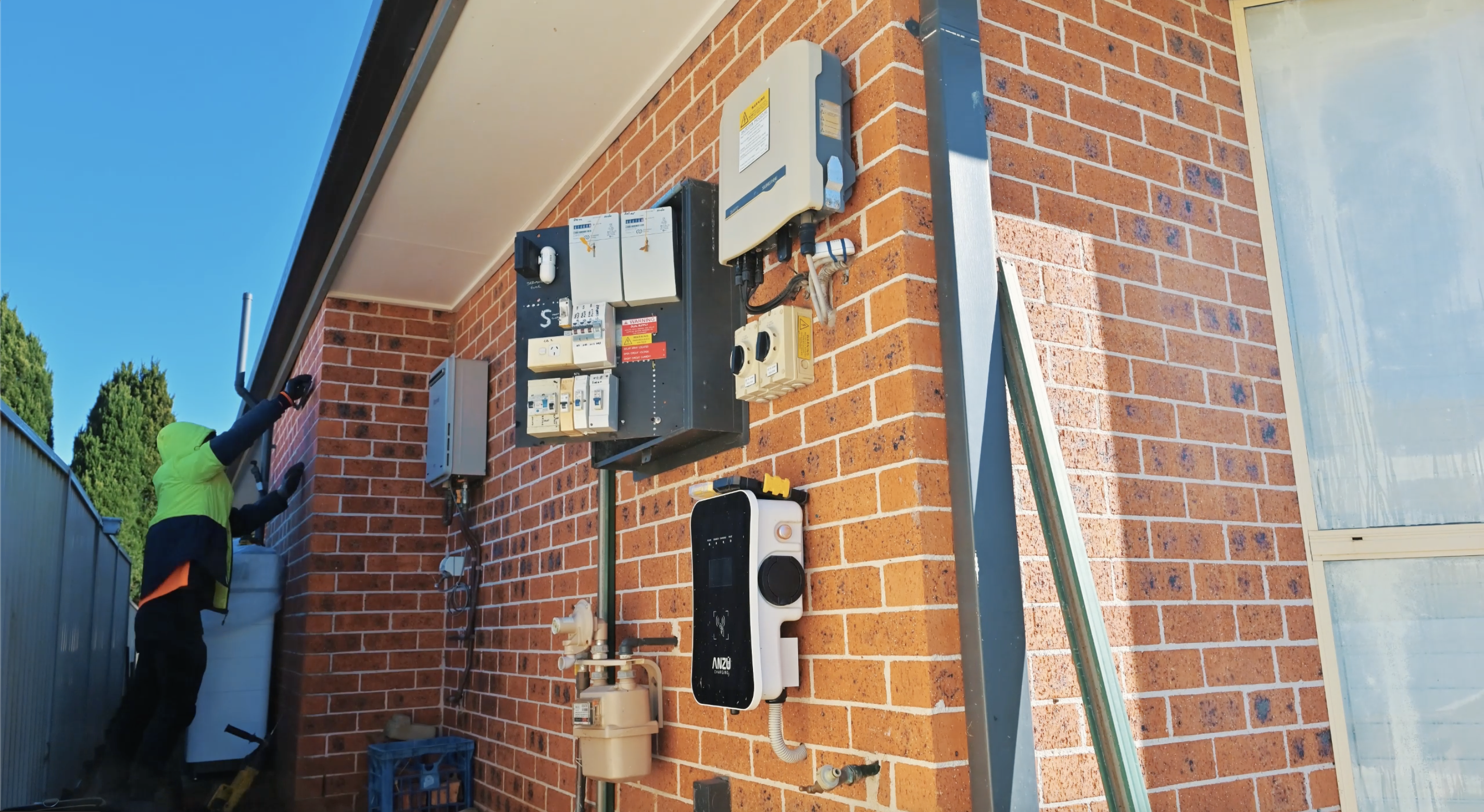
In closing, I offer these three evaluation metrics again as guidance: yield variance, storage dispatch efficiency, and clipping ratio — they have guided my choices since 2008 and saved clients measurable sums. I remain at the workbench — refining, testing, and advising — and I recommend you do likewise with a trusted partner such as sungrow. Oh — one more note: document everything, early.