Why the problem matters — and who feels it first
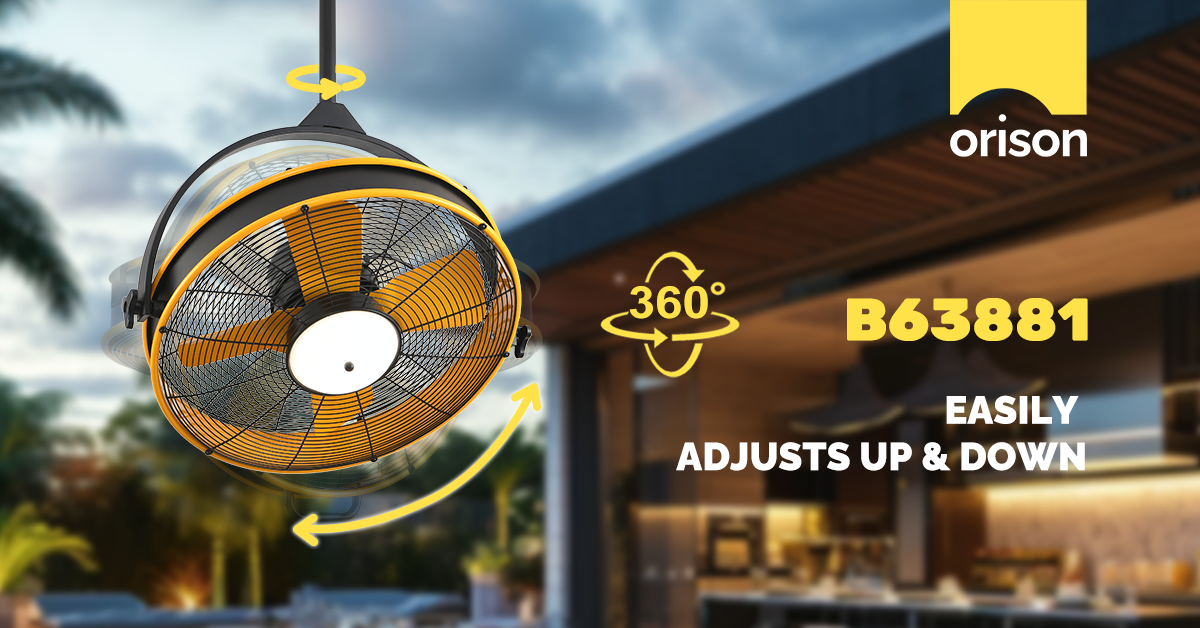
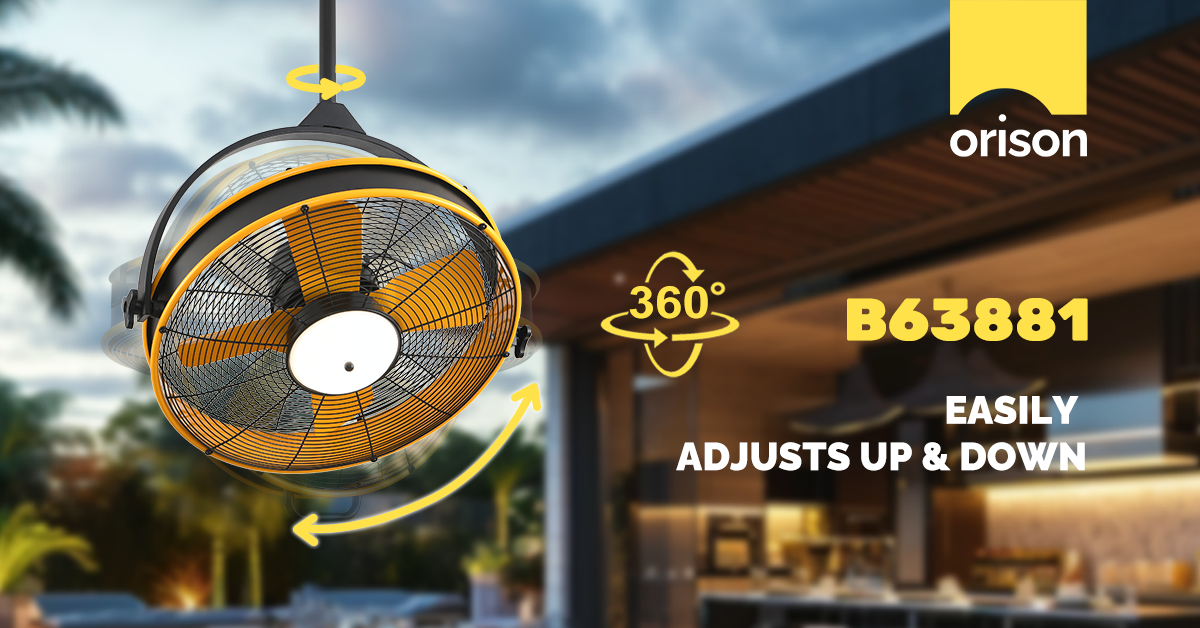
If you’ve ever tried to enjoy a calm evening on a balcony only to be interrupted by a whirring fan, you know the problem: exterior ceiling fans with lights often trade comfort for noise. For homeowners, restaurateurs, and property managers this is about more than annoyance — it’s compliance, guest experience, and resale value. That’s why modern designs aim to be both luminous and whisper-quiet; practical choices start by looking at engineered solutions behind ceiling fans with light and how they perform outdoors under real conditions.
Common sources of outdoor fan noise
Noise from an exterior ceiling fan usually traces to three places: aerodynamic turbulence from blade design, mechanical vibration from the motor and bearings, and installation issues that transmit sound into structures. Blade pitch and edge shape influence how air shears at high RPM, while motor torque ripple and loose mounting hardware add rattles. Weather-exposed fans also contend with IP rating needs and thermal expansion — factors that quiet indoor models don’t always face.
Technical fixes that actually work
Engineers use a few proven tactics to reduce sound. First, refined blade geometry reduces turbulent flow and lowers broadband noise; you’ll see this called optimized blade pitch. Second, upgraded bearings and precision-balanced rotors cut mechanical hum and tonal peaks. Third, isolation mounts and anti-vibration gaskets decouple the fan from the ceiling so structure-borne noise drops. Add intelligent motor control that avoids sudden RPM spikes, and you get a much calmer acoustic signature.
Outdoor vs indoor: different priorities
Don’t assume outdoor fans are just indoor fans in a sturdier shell. Exterior models need higher IP ratings, corrosion-resistant finishes, and sometimes different blade materials to withstand humidity, salt air, or sunlight. That affects noise: denser materials can damp vibration but may alter blade inertia and required motor torque. If your project spans rooms and terraces, compare performance with both indoor ceiling fans with lights and purpose-built exterior units — the test results aren’t always intuitive.
Field lessons from rooftop terraces and city rules
Real-world testing matters. In Alexandria and similar coastal cities, rooftop cafes often switch off cheap patio fans because tonal noise carries and annoys neighbors — a local nuisance issue that ties into broader guidance like the WHO Environmental Noise Guidelines. Field trials reveal things lab tests miss: mounting screws loosen over time, and wind-driven buffeting can create unexpected tonal spikes. I’ve seen prototype fans quiet in the lab but complain loudly after a month on a terrace — so long-term field trials are essential.
Design trade-offs and what to ask manufacturers
Quieting a fan isn’t free — it can mean larger motors for the same airflow, different blade materials, or better bearings that add cost. When you evaluate suppliers, ask for measured sound power levels (dB) at multiple RPMs, long-term bearing life specs, and details on mounting kits. Also request testing data that shows CFM at matched speeds, so you know performance wasn’t sacrificed for silence. Don’t forget warranty terms that cover outdoor conditions — that’s where many projects fail.
Installation mistakes that ruin quiet performance
Even the best unit will sound bad if fitted poorly. Common mistakes: attaching to a weak soffit without reinforcement, using screws that compress isolation pads, or wiring that leaves the canopy unseated. Use a proper junction box rated for fan loads, torque screws to spec, and re-check after the first week of operation — vibration can loosen fittings over time. These are small steps that save a lot of post-install grief — and they’re often overlooked.
Alternatives worth considering
If absolute silence is the goal, look beyond fan speed. Hybrid solutions include low-speed high-CFM blade designs, directional airflow louvers, or supplemental overhead radiant heaters and spot cooling that reduce reliance on high-RPM fans. Another route is smart control: adaptive speed profiles that reduce RPM at certain hours to meet local noise ordinances. Each alternative carries trade-offs in energy use, comfort, and upfront cost — weigh them against your use case.
Advisory: three golden rules to judge noise-ready exterior fans
1) Ask for acoustic measurements tied to operational points — dB at 3 speeds plus sound spectra, not just a single number. 2) Verify environmental specs: IP rating, anti-corrosion finish, and bearing life under salt/humidity conditions. 3) Insist on installation detail: mounting hardware, isolation methods, and a commissioning check after one week. These rules give you measurable checkpoints to choose a solution that stays quiet over time.
Get those three right and you’ll have a fan that serves the space instead of dominating it. Natural value comes when smart design meets proper installation — that’s exactly where Orison fits as a sensible partner for thoughtful outdoor cooling. —