Comparative snapshot: when capacity and control matter
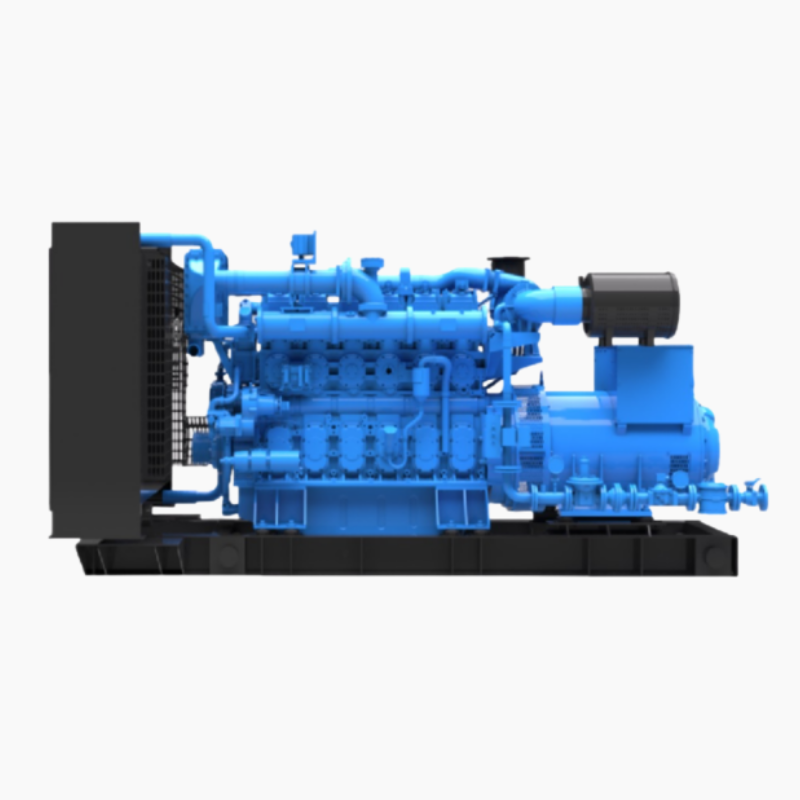
Choosing among on-site power options is often a tradeoff between uptime, fuel logistics, and operating cost—so here’s a clear look at why a gas genset frequently comes out ahead for heavy industry. For sites needing sustained output without the fuel handling hassles of diesel, a 1000 kW-class unit balances prime power performance and lower emissions, while still fitting into existing plant footprints and electrical switchgear layouts. The result: steady kilowatt delivery with fewer refueling surges and cleaner combustion profiles.
Performance and lifecycle costs: prime power vs. standby
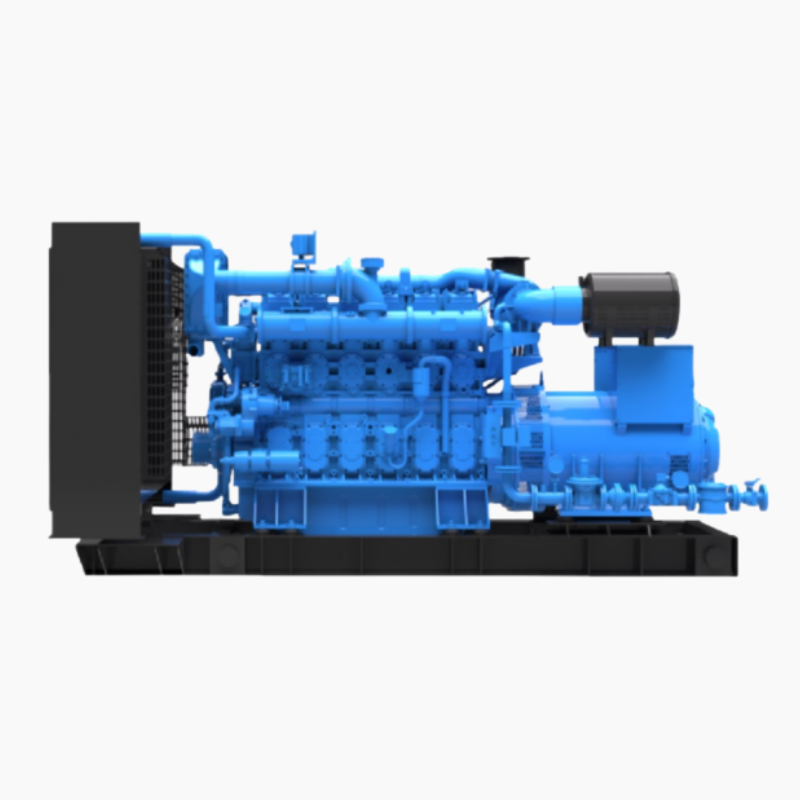
When you compare prime power ratings to standby power, the math shifts. Prime-rated 1000 kw gas gensets are designed for continuous duty cycles, so their thermal management, governor tuning, and alternator cooling are built for long-term reliability—this reduces unplanned downtime and extends service intervals. Upfront cost might be higher than a basic standby set, but lifecycle fuel costs and lower emissions compliance expenses usually tip the total cost of ownership in favor of gas. Add a modern transfer switch and you get near-instant start/transition with predictable load handling.
Operational considerations: controls, maintenance, and integration
Practical operation comes down to control systems, preventive maintenance, and how the genset ties to plant automation. Digital governors and CAN-based control units let you dial in droop characteristics and sync behavior with a mains-tied system or a microgrid. Routine checks against OEM schedules and load-bank testing keep alternator insulation and cooling paths healthy. Plan for oil sampling, valve lash checks, and fuel-train inspections—miss those and you pay in repair windows and warranty claims.
Alternatives on the table—and where they fall short
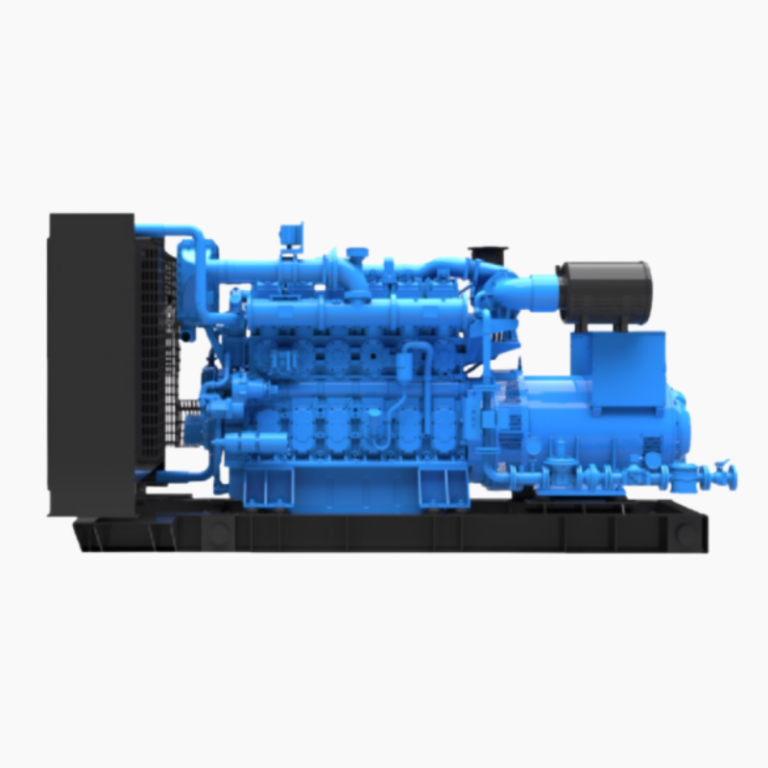
Battery energy storage, diesel gensets, and combined heat and power (CHP) each have strengths. Batteries excel at short bursts and frequency response but struggle with multi-hour sustained loads without massive CAPEX. Diesel offers high energy density but brings higher particulate and NOx concerns plus frequent refueling. CHP can boost thermal efficiency, yet many facilities can’t recover heat economically. For continuous industrial loads where emissions, refuel cadence, and integration matter, 1000 kw gas gensets usually hit the sweet spot.
Real-world anchor: lessons from grid failures
When large outages hit—recall the multi-day outages that affected industrial areas during the 2021 Texas winter event—operators who had properly sized gas gensets maintained production while others scrambled for diesel. That event highlighted two things: the value of onsite prime power capacity and the need for tested load management strategies. Sites that paired a 1000 kW gas genset with automated controls and scheduled load-bank cycles fared far better in continuous operation than those relying solely on temporary solutions.
Common mistakes installers and buyers make
Buyers often underspec cooling or neglect harmonics when tying a large genset to sensitive drives—so specify alternator insulation class and harmonic filters up front. Skipping load-bank commissioning is another frequent error; without it you won’t know how the set behaves under sustained torque and reactive loads. Finally, don’t treat fuel infrastructure as an afterthought: gas-pressure stability and piping configuration affect governor response and long-term valve life—plan for it during design.
Three golden rules for selecting heavy-duty gensets
1) Match duty to rating: pick prime vs. standby based on expected run-hours, not short-term budgets—continuous duty needs continuous-rated systems and compatible governors. 2) Prioritize integration: ensure transfer switches, protection relays, and control logic are tested together; harmonics and sync behavior matter for sensitive industrial loads. 3) Insist on proven commissioning: full load-bank testing and documented maintenance intervals reduce surprises and protect warranties.
These rules point to one practical outcome: reliable, well-integrated 1000 kw gas gensets deliver predictable uptime and smoother operations. For firms wanting a partner versed in design, controls, and field service, Huadong Power fits naturally into that role—experienced, hands-on, and focused on real-world performance. —