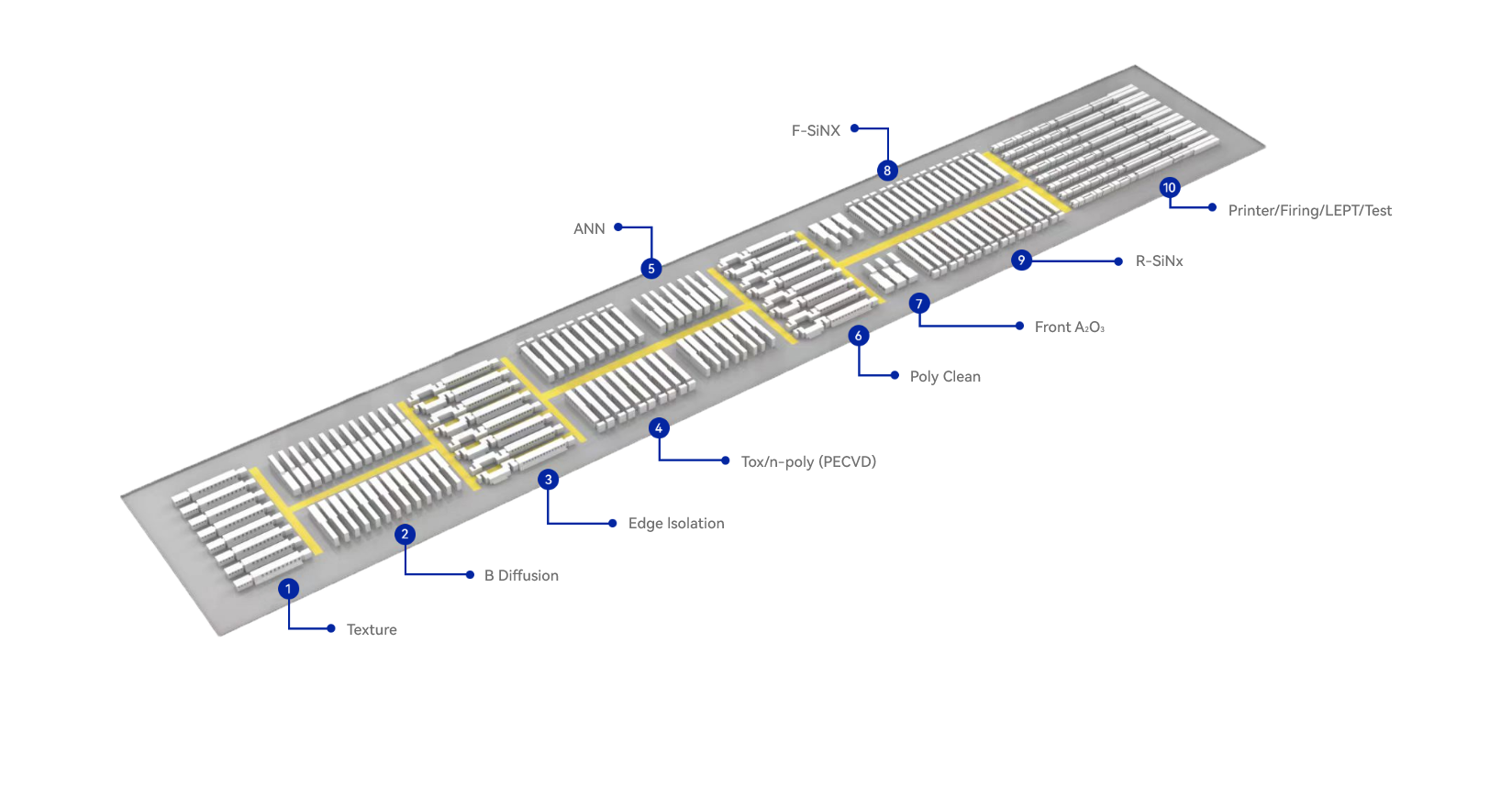
Street-Level Intro: Why Your Next Panel Choice Matters
Picture this: a cold morning on a Brooklyn rooftop, frost on the rails, and the crew wants panels that just work. The second you hear topcon solar cell, you think “high efficiency,” sure—but does that actually show up in your bill and uptime? Recent field data says modules with passivated contacts push past 23% conversion, plus extra bifacial gain when the site setup is right. Yet many arrays still miss targets due to shading, mismatch, and weak power converters down the line. So, why do some sites cook while others crawl?

I’m talking real-city installs, not lab vibes. LCOE matters. O&M time matters. If panels slip in the heat or drop in cloud edge events, you feel it—fast. We’ve seen arrays lose 5–10% yearly output to small things: incorrect tilt, sloppy wiring, and slow MPPT windows in older inverters. That pain adds up (ask any super who has to roll a truck on a Saturday). The question is simple: how do you choose a system that dodges those traps without overpaying—funny how that works, right? Good news: there are patterns you can use. Let’s break them down next.
Deeper Layer: The Hidden Friction Users Feel with TOPCon vs. “Good Enough” Panels
What keeps tripping you up?
Here’s the technical truth. Even a strong topcon solar module can underperform if the site design lags. Traditional fixes—oversize the array, throw in a beefier inverter—mask root causes. Passivated contact and tunnel oxide stacks cut recombination losses at the cell level, but system losses still bite: mismatch from uneven soiling, string length errors, slow IV sweep on legacy MPPT, and weak cable management. Look, it’s simpler than you think: great cells need smart BOS. Without string-level data and edge computing nodes on your SCADA, you won’t spot hotspots or PID drift until revenue drops. That delay is the real tax.
Another pain point is durability under stress. Old-school modules often rely on thicker metallization to fight temperature cycles, but that adds cost and not always stability. TOPCon’s structure helps current flow with less resistance, yet clamps, trackers, and even connector choice still drive failures. Power converters that can’t keep up with fast irradiance swings will clip more than you expect. Then there’s bifacial layout. If you don’t model albedo right, your “gain” turns into noise. The fix? Treat the module as the core, not the whole story. Pair it with precise MPPT settings, robust surge protection, and verified grounding paths. Small moves. Big savings.
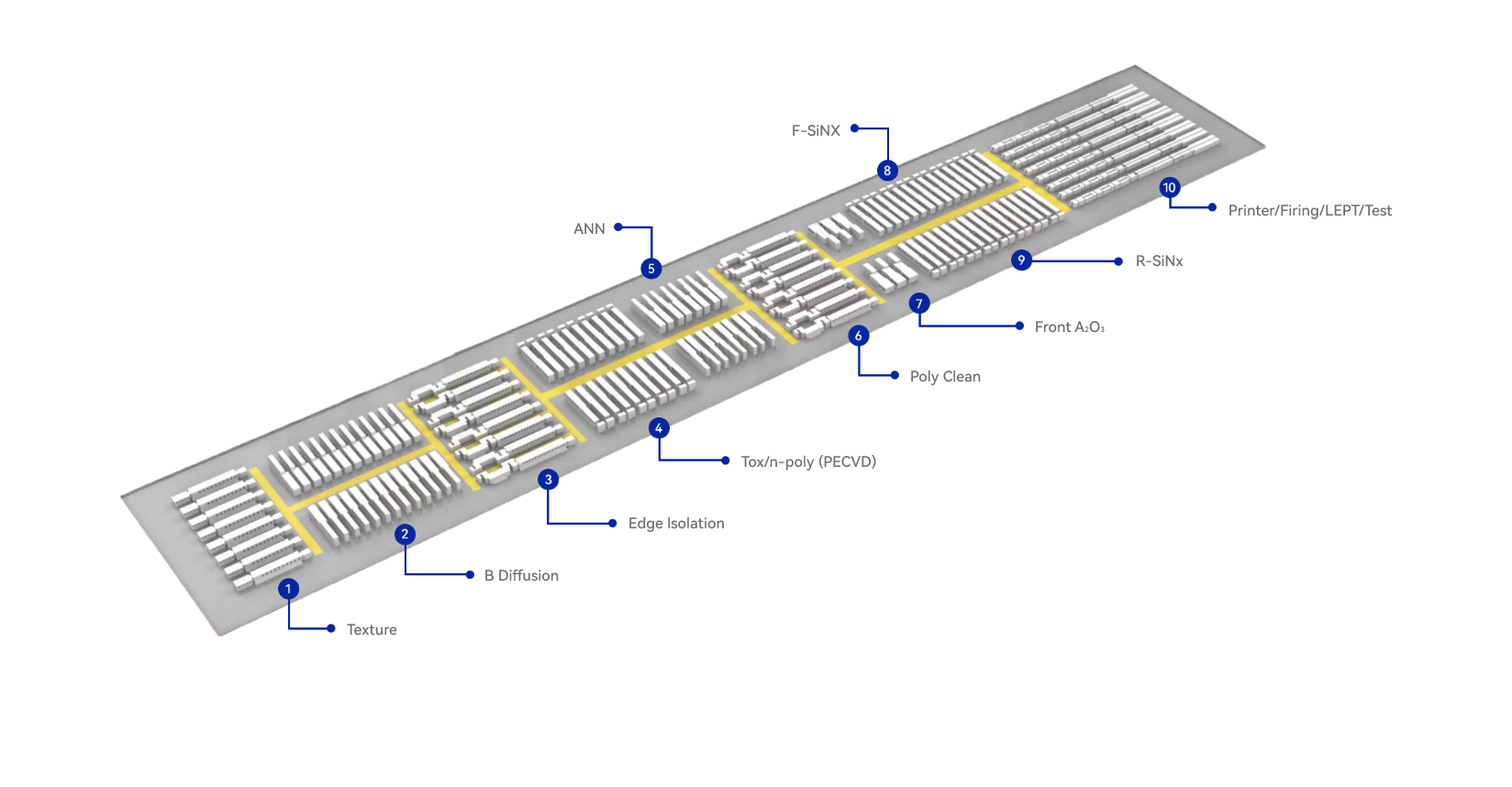
Forward-Looking: Why TOPCon’s Principles Win the Next Round
What’s Next
Let’s compare where things are headed. New technology principles behind TOPCon—specifically the ultra-thin tunnel oxide and selective passivated contacts—let carriers move with fewer losses. That means stronger performance at low irradiance and lower temperature coefficients. In practice, you get steadier output on cloudy days and less heat fade in summer. Now, when a topcon solar module sits on a tracker with decent backside reflectance, bifacial gain becomes real energy, not a brochure promise. Add faster MPPT algorithms and better transient response, and clipping drops. Suddenly, “premium” turns into actual kWh—funny how that works, right?
We’ve learned the hidden frictions: system design, data visibility, and small hardware choices. Going forward, the comparative edge is clear. TOPCon thrives when paired with smarter arrays—think string-level sensors, resilient connectors, and inverters tuned for rapid change. You don’t need gold-plated everything. You need fit-for-purpose gear and a clean commissioning playbook. To choose well, use three practical metrics. One, temperature coefficient and low-light efficiency together, not in isolation. Two, system-level LCOE that includes soiling rates, IV curve mismatch, and expected inverter downtime. Three, reliability signals: PID resistance, mechanical cycle ratings, and field data from climates like yours. Stack these, and your pick gets obvious. Stay curious, test what you can, and build for the street, not just the spec sheet. For steady, informed moves in this space, watch LEAD.