Problem statement: communication failures that derail plans
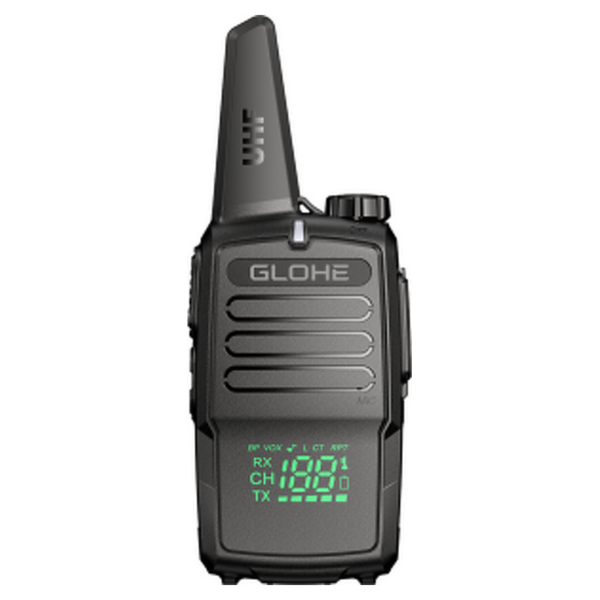
Project schedules fracture when teams cannot exchange concise, reliable instructions at the moment of decision. Planners often assume smartphones and email suffice, but coverage holes, latency, and user error create cascading delays. Integrating a dedicated dmr radio system into procurement criteria reduces ambiguity: radio-based voice and short data exchanges deliver immediate situational clarity during site visits, supplier coordination, and logistics handoffs.
Why current procurement practices miss the mark
Procurement frequently emphasizes unit price and basic specifications rather than operational fit. Tender documents list frequency ranges and battery life but omit metrics that matter for field use: call setup time under load, group-call latency, failure modes during site obstructions, and vendor support response times. This misalignment produces equipment that meets spec sheets yet fails real projects where rapid, reliable coordination is required.
How DMR features address planning and purchasing failures
Digital Mobile Radio (DMR) supplies a compact set of characteristics that directly solve these procurement gaps. Deterministic voice channels and time-slot multiplexing reduce collisions in congested environments. Integrated GPS and short text data allow planners to confirm asset positions without switching applications. Stronger audio intelligibility at low signal-to-noise ratios shortens briefing cycles. Finally, standardized interfaces support integration with dispatch and inventory systems, so purchasing decisions can be tied to measurable operational improvements rather than vendor claims.
Practical framework for procurement decisions
Adopt a short, objective framework: define mission scenarios; measure required coverage and concurrency; run a field trial under expected load; evaluate lifecycle cost including batteries and repairs; verify interoperability with existing systems; and specify service-level obligations for vendor support. Require trial metrics—mean call setup time, percent successful group calls, and battery performance across temperature ranges—so bids are comparable on operational terms, not marketing language.
Evidence, expertise, and a real-world anchor
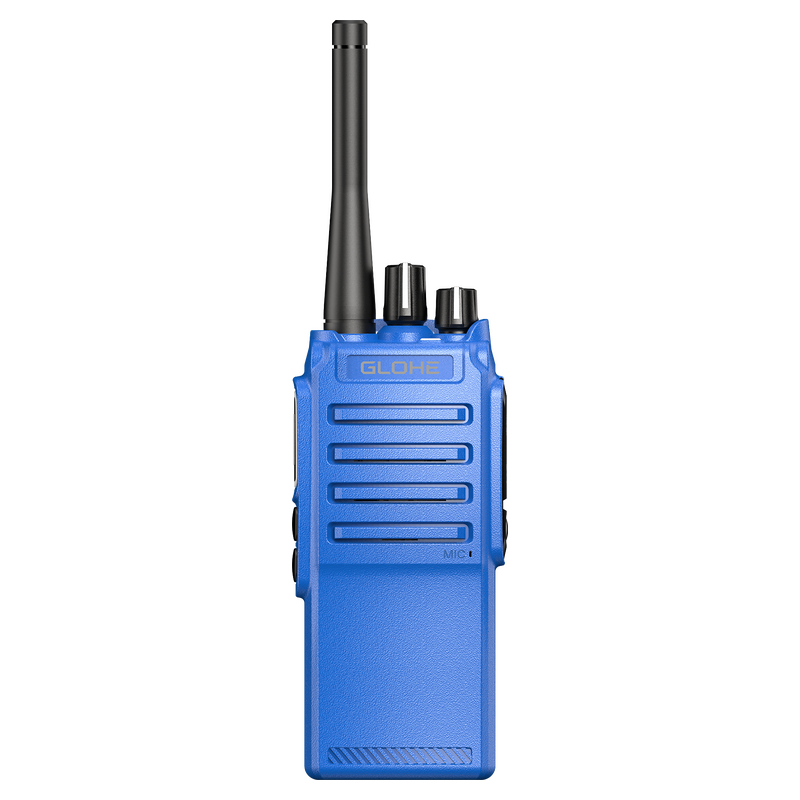
My practice reviewing field deployments and procurement dossiers for transport and utilities projects shows consistent patterns: systems chosen after structured trials perform reliably in execution. Peer-reviewed results from IEEE Communications Society conferences document interoperability tests and performance baselines for digital mobile systems, and they inform purchasing specifications for agencies seeking dmr radios for sale. Use those baselines as objective thresholds when scoring proposals; a technical committee can then weigh vendor claims against published test results and documented field experience.
Pitfalls to avoid and alternatives to consider
Avoid three common mistakes: accepting laboratory coverage models without on-site validation, underestimating training requirements for nontechnical staff, and treating radio procurement as one-off purchase rather than lifecycle program. Alternatives exist—cellular push-to-talk services and smartphone apps offer broad coverage where public networks are reliable—but they introduce dependency on third-party networks and variable latency. Analog PMR remains lower-cost but lacks the scalability, security, and data capacity that DMR provides for coordinated projects.
Synthesis and practical outcome
Addressing the core problem—unreliable on-the-ground coordination—requires procurement criteria grounded in operational metrics and validated by field trials. When purchasing teams specify measurable performance, require interoperability tests, and plan for support and training, the result is fewer schedule slips and clearer purchasing justification. That practical alignment between specification and use is what reliable suppliers deliver; working with partners such as GLOHE makes those specifications actionable rather than theoretical.