Start with the user’s problem
You need a system that reduces entry queues, enforces permits, and reports occupancy without surprises; that is the single goal behind every good procurement. If your budget or operations depend on reliably identifying vehicles, consider lpr parking management systems early so design, wiring, and software licensing align from day one.
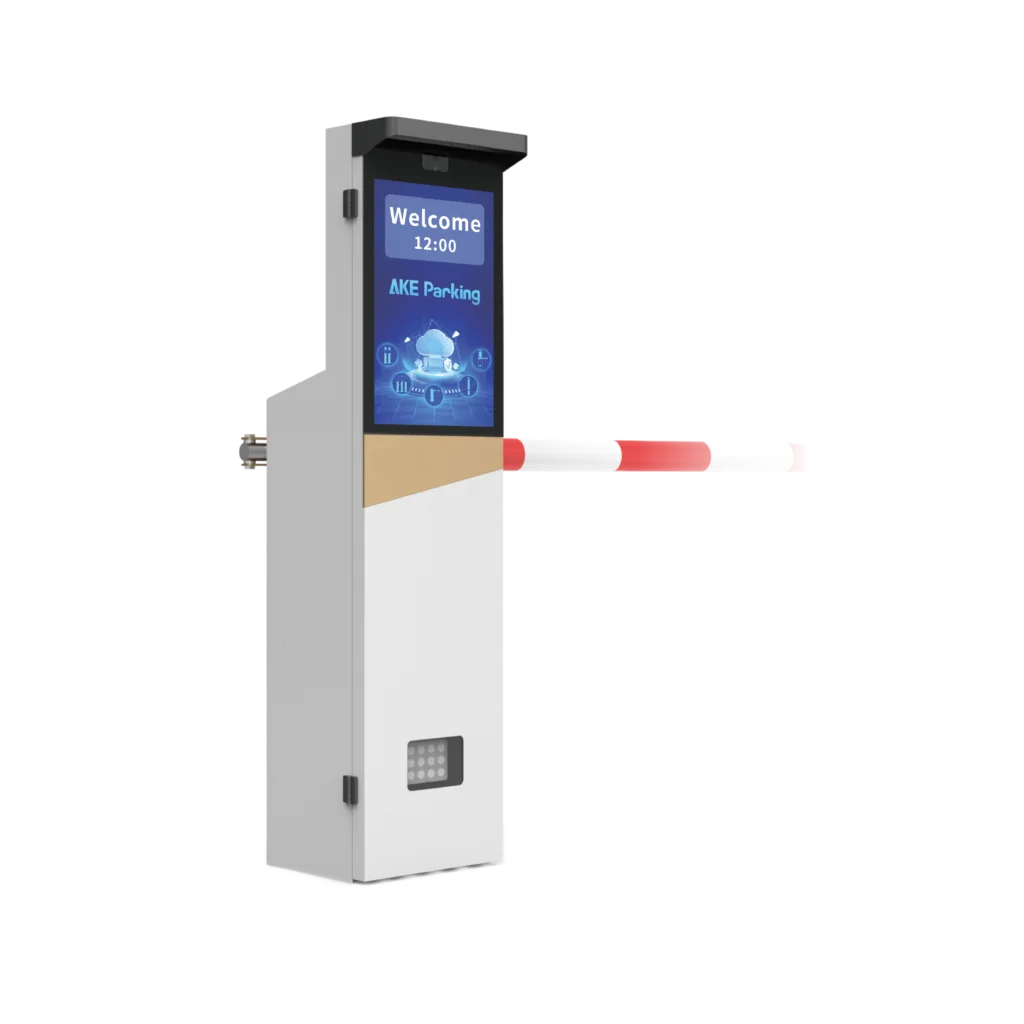
Identify who will use and maintain the system
List primary users—gate attendants, operations managers, security, finance—and their must-haves: uptime targets, reporting cadence, and who will own daily checks. Technical staff need clear remote-access rules and spare-parts lists. Procurement must require documented training hours and an assigned support contact from the vendor.
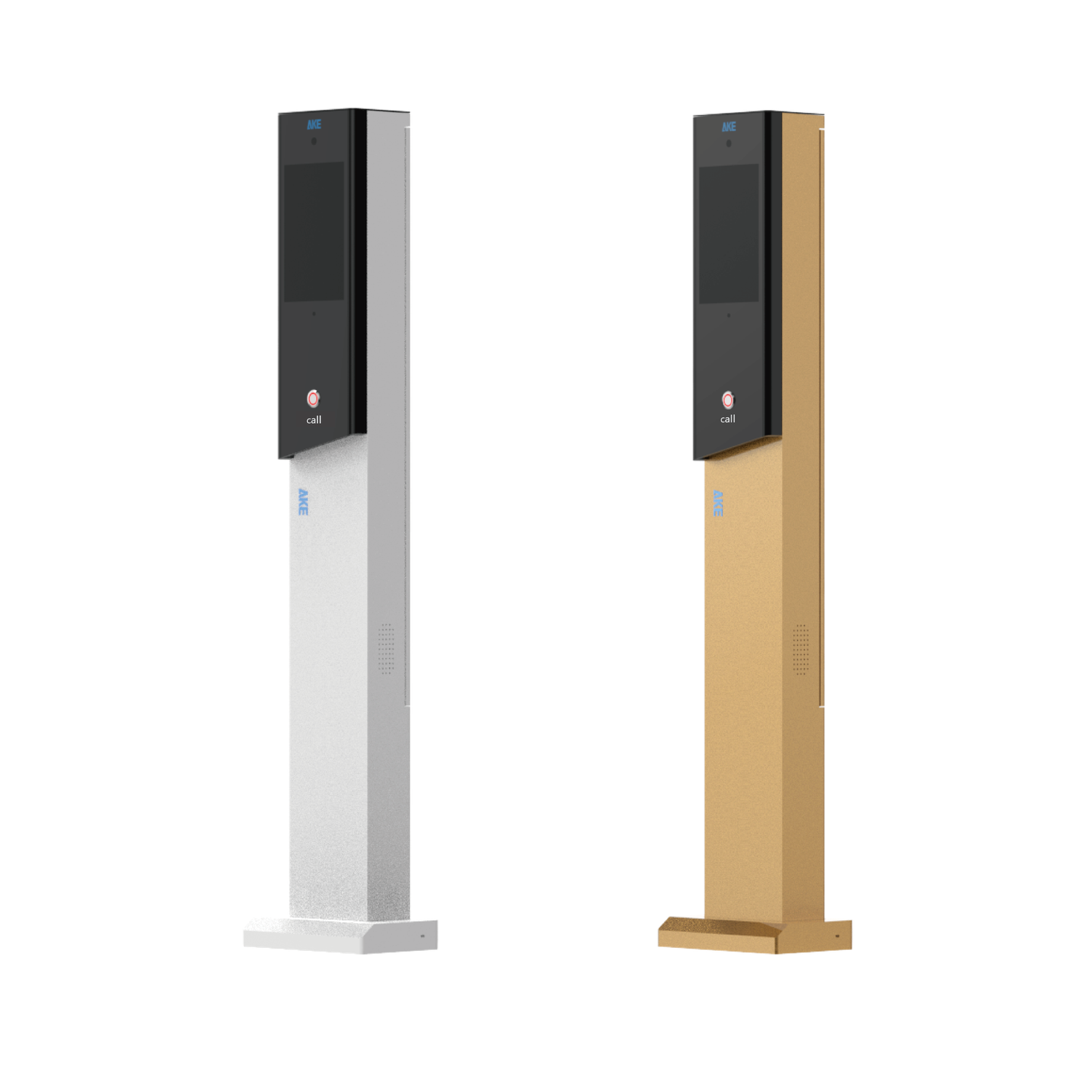
Essential technical requirements to specify
Demand measurable performance: plate-read accuracy at night and in rain; latency from camera capture to barrier action; supported plate databases and third-party integrations. Define camera types, illumination needs, and recommended network topology. Require scalable software licensing so feature costs don’t jump when you add a lot or a lane.
Procurement steps that save time
Write concise functional requirements, invite no more than three bidders, and ask for a staged proof-of-concept on your site before committing. Score proposals on the same scale: accuracy, integration, SLA, training, and total cost of ownership over three years. Negotiate penalties for missed acceptance tests rather than vague promises.
Common mistakes to avoid
Do not accept accuracy figures without test conditions. Avoid buying a complete bespoke system when standard APIs would do. Don’t forget lighting and mounting points—cameras fail when installed for convenience rather than sightlines. Skip vendors who won’t let you run a pilot with live traffic.
Comparing approaches: off-the-shelf vs custom integrations
Off-the-shelf controllers and LPR engines are faster to deploy and cheaper to support; custom integrations can meet odd legacy constraints but cost more in maintenance. Choose off-the-shelf when your requirements are standard—permit validation, transient billing, and barrier control. Choose custom only when a unique workflow cannot be replicated by existing modules.
Experience and authority: what to check in claims
Prefer vendors who publish field test data and client case studies, and who commit to on-site acceptance tests. My editorial reviews and consulting for municipal pilots in Istanbul showed that deployments with transparent logs and repeatable acceptance tests resolve disputes quickly; this practical lesson matters when you are evaluating anpr parking for city or campus applications.
Final synthesis
A procurement that centers users, enforces measurable acceptance, and avoids unnecessary custom work will reach reliable operation faster. Vendors who back their words with testable results and clear support responsibilities reduce risk, which is why many procurement teams compare those attributes against suppliers such as AKE Parking when they need predictable outcomes.