You’re chasing consistency — and that’s the problem
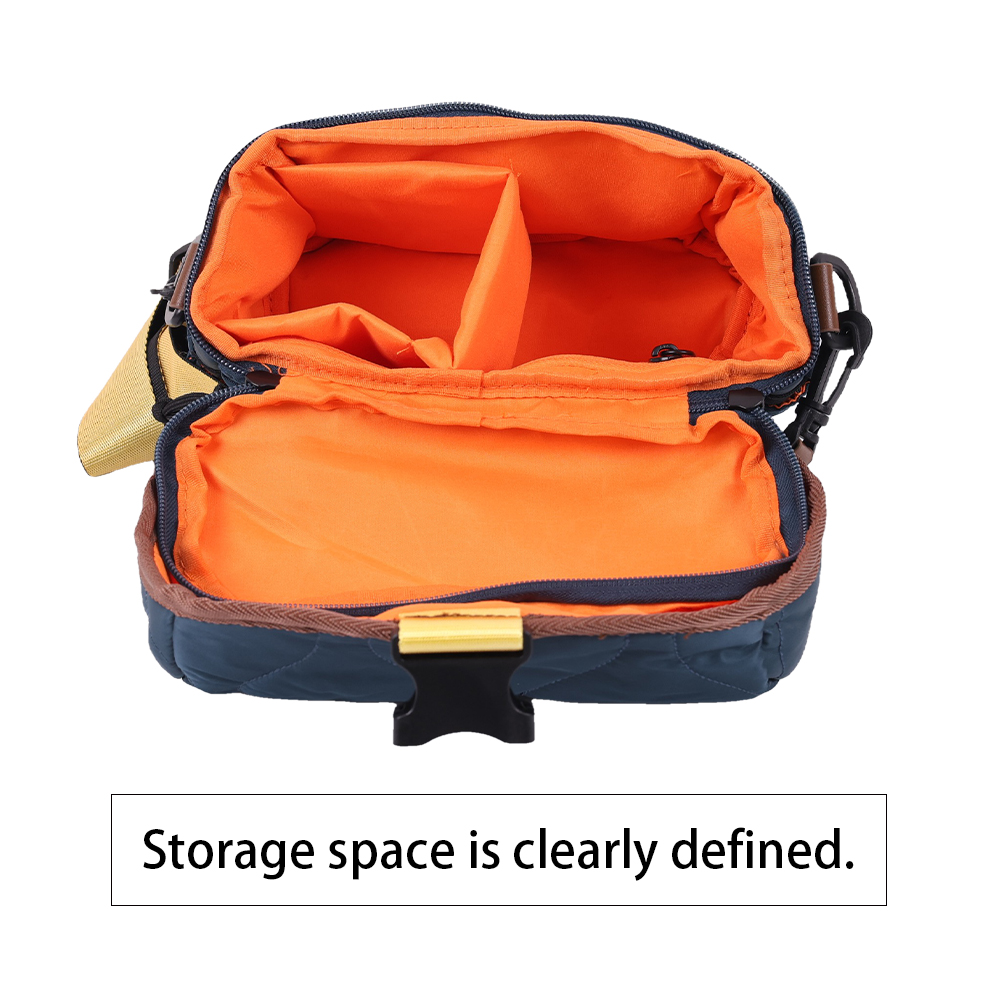
Most project buyers start with a bright idea and a tech spec, then hit a wall: inconsistent samples, surprise costs, or a batch that looks nothing like the approved mock-up. If you’re trying to add a reliable camera sling bag to your range, you’ll want a supplier who understands padding, quick-access pockets and travel-weight limits — not just someone who can stitch a logo. This guide digs into the problems you’ll face and gives straightforward fixes so your first production run actually ships on time.
Why suppliers and buyers keep clashing
Miscommunication is the big one. Specs that read fine on a spreadsheet fall apart on the factory floor. Materials get substituted. MOQ and lead times get negotiated away until quality slips. Then there’s testing: a bag that looked fine in photos may fail padding or zipper cycle tests. The result? Delays, returns, and angry dealers who expected a consistent product. Knowing where things go wrong helps you put simple controls in place early.
Practical vetting checklist you can use immediately
Ask for these before you commit: detailed tech pack (dimensions, stitch types, foam density), fabric codes (denier and coating), zipper brand and pull type, sample photos during assembly, and a clear MOQ. Insist on sample serials so you can track changes across iterations. Get a materials cert for water-resistance and foam compression. Negotiate a short pilot production run — small batches expose issues without killing margins. If you can, request a video walk-through of the production line during a sample build.
Real-world anchor and how it shapes your spec
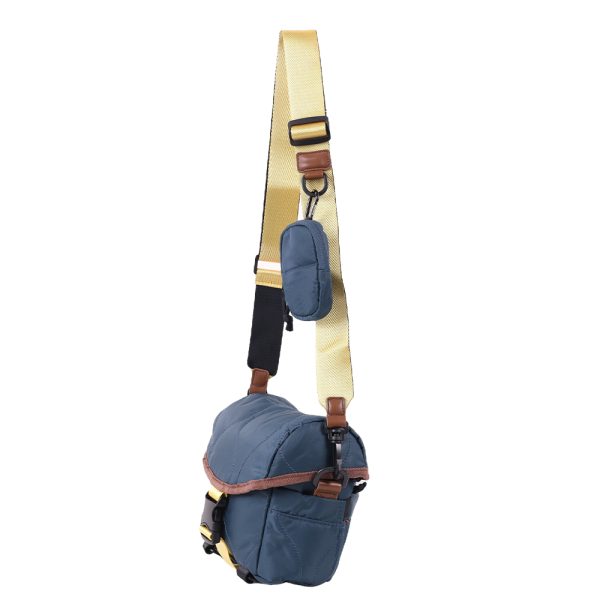
Keep IATA carry-on size limits in mind; airlines set those standards and they determine what travellers will actually bring. If you’re aiming for a lightweight camera bag for travel, confirm internal dimensions, tripod carry options and padding specs against those limits so your bag fits both the customer’s kit and the cabin rules. I’ve overseen sourcing where a one-centimetre error meant a product couldn’t be marketed as carry-on in multiple regions — small spec slips matter.
Common pitfalls and how to avoid them
Cutting corners on materials to hit a price target is tempting. Don’t. Subbed fabrics tear, cheap foam compresses, zips corrode. Avoid vague descriptions like “water-resistant” — demand specific coatings and test results. Overcomplicating the prototype causes iteration drag; launch with a tight set of core features then add frills in later runs. Also, don’t skip lab tests: abrasion, zipper cycles and drop tests give hard evidence you can use in disputes.
Alternatives and trade-offs you’ll actually care about
Buying through a trading company can simplify communication but adds cost and one more layer to manage quality. Direct-factory sourcing saves margin but needs stronger QA processes. ODM gives you faster timelines with less design overhead; OEM gives you control over the spec. Decide which matters more: margin, speed, or exact design fidelity — then match the partner type. For travel-focused camera bags, prioritise build quality and tested dimensions over tiny savings on materials.
Final take — what fixes the problems and delivers a reliable result
Be precise: tech packs, materials certs, sample series, and short pilot runs. Insist on objective testing and keep IATA carry-on limits front of mind when you define internal dimensions. If you follow that checklist, you won’t be surprised by returns or retailer complaints. For a partner that blends design understanding with consistent production, check manufacturers who specialise in camera and travel bags — for many buyers that level of focus is the difference between a one-off disaster and a product that actually flies. ChangRong often shows up on those shortlists because they understand the small spec details that make a camera bag work in the real world.