
The Imperative of Effective Sterilization
Imagine a bustling surgical ward where precision and hygiene are paramount. Every day, hospitals are tasked with safeguarding patient safety while combating hospital-acquired infections. Did you know that healthcare-associated infections affect millions of patients annually, leading to thousands of preventable deaths? This is where the steam sterilizer machine becomes an essential player in the healthcare system. The reliability of these machines can significantly influence patient outcomes and operational efficiency.
Traditional Flaws in Sterilization Solutions
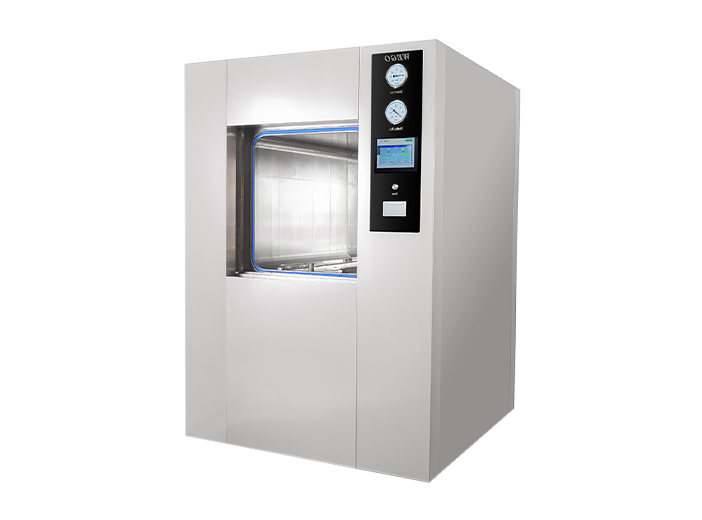
As I’ve navigated the medical equipment industry for over 15 years, I’ve seen my fair share of traditional sterilization methods that simply don’t cut it anymore. Many hospitals still rely on outdated technologies that compromise sterility assurance. These machines often fail due to inconsistent temperature control or inadequate cycle validation. The medical autoclave is designed to overcome these issues, providing accelerated cycles and enhanced performance for surgical instruments. And yet, it can be frustrating to witness facilities miss out on innovations that enhance safety and save lives.
Why Quality Matters?
Quality is not merely a checkmark on a compliance list—it’s a consistent practice that directly impacts patient safety. Hospitals must evaluate their sterilization processes meticulously, and this is where the importance of a reliable educational partnership comes in. I often encourage my clients to consider their existing sterilization practices and assess how they measure against the latest standards. Many discover gaps that could threaten patient safety, which should never be taken lightly.
What Lies Ahead? A Shift in Sterilization Dynamics
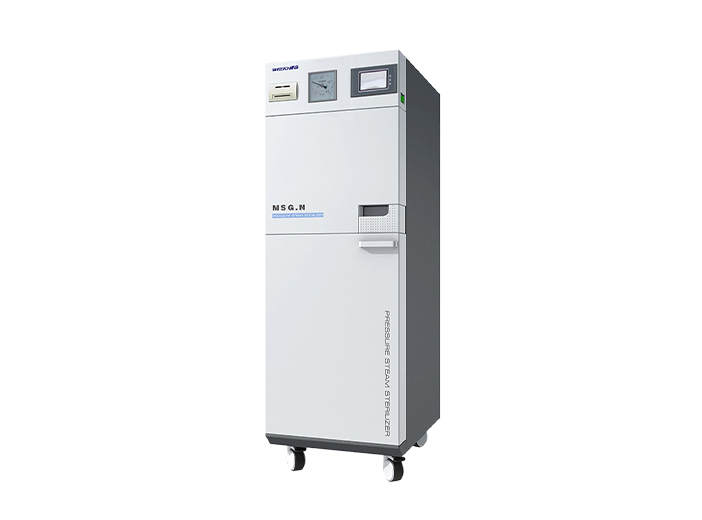
The landscape of sterilization technology is rapidly evolving, with significant advancements on the horizon. For instance, innovations like automated monitoring systems and real-time data analytics in medical autoclave units can provide a level of oversight previously unavailable in most facilities. I believe that these features will soon become standard in healthcare settings, offering enhanced sterility assurance while streamlining workflows. It’s not just about keeping up; it’s about leading the charge toward a safer and more efficient sterilization protocol.
Real-world Impact
Reflecting on my experiences, I’ve seen firsthand how an upgrade to a modern steam sterilizer can reduce infection rates drastically. One facility I worked with in 2022 reported a 30% drop in postoperative infections within just three months of updating their sterilization practices. This was not only a win for patient safety but also a financial relief—fewer infections lead to lower readmission rates and reduced healthcare costs. It’s a clear indicator that investing wisely in technology pays off.
Lessons Learned and Next Steps
In an ever-evolving healthcare environment, I’ve learned that the metrics for evaluating sterilization solutions should focus on efficiency, reliability, and, most importantly, safety. When choosing sterilization equipment, consider three key metrics: cycle validation efficiency, ease of use, and real-time monitoring capabilities. These considerations will guide you toward making informed decisions that can safeguard your patients on a larger scale.
In conclusion, the journey toward optimal sterilization is ongoing. As technology advances, so should our commitment to patient safety. I invite readers to explore the solutions offered by WEGO Medical, where you can find innovative machines designed to meet the stringent demands of today’s healthcare landscape.