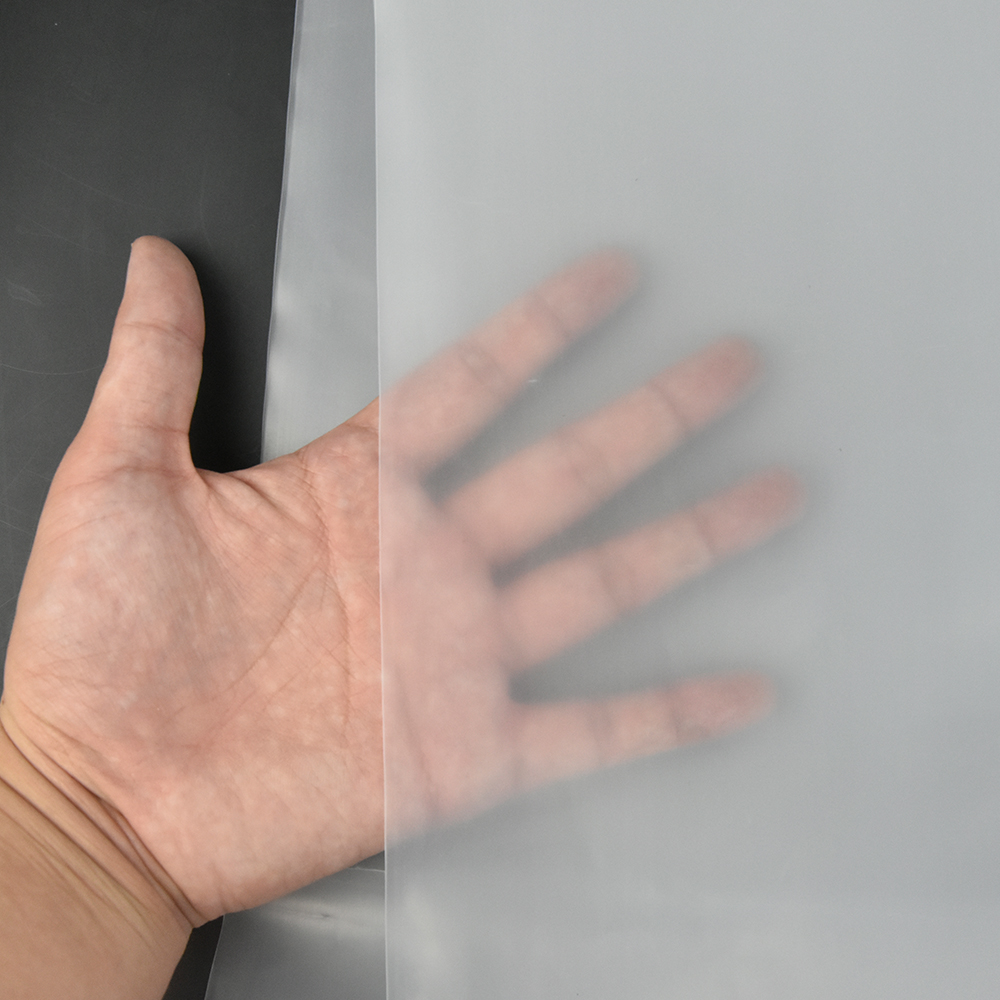
When common fixes fail — the real cost of a bad film choice
I was standing in a tomato house at dawn when the manager said, “We switched films and everything changed.” As a consultant who advises wholesale buyers and acts often as a greenhouse film supplier intermediary, I’ve seen that sentence more than once. Early in my career (March 2019, a 3-hectare trial in Murcia), we fitted PE greenhouse film with higher UV stabilization and tracked differences in plant canopy temperature and humidity—results were telling. Last spring, a 2-hectare tomato grower in Almería lost 18% yield after swapping to a cheaper film; transmission rate fell by 10 percentage points—could better specification have prevented this?
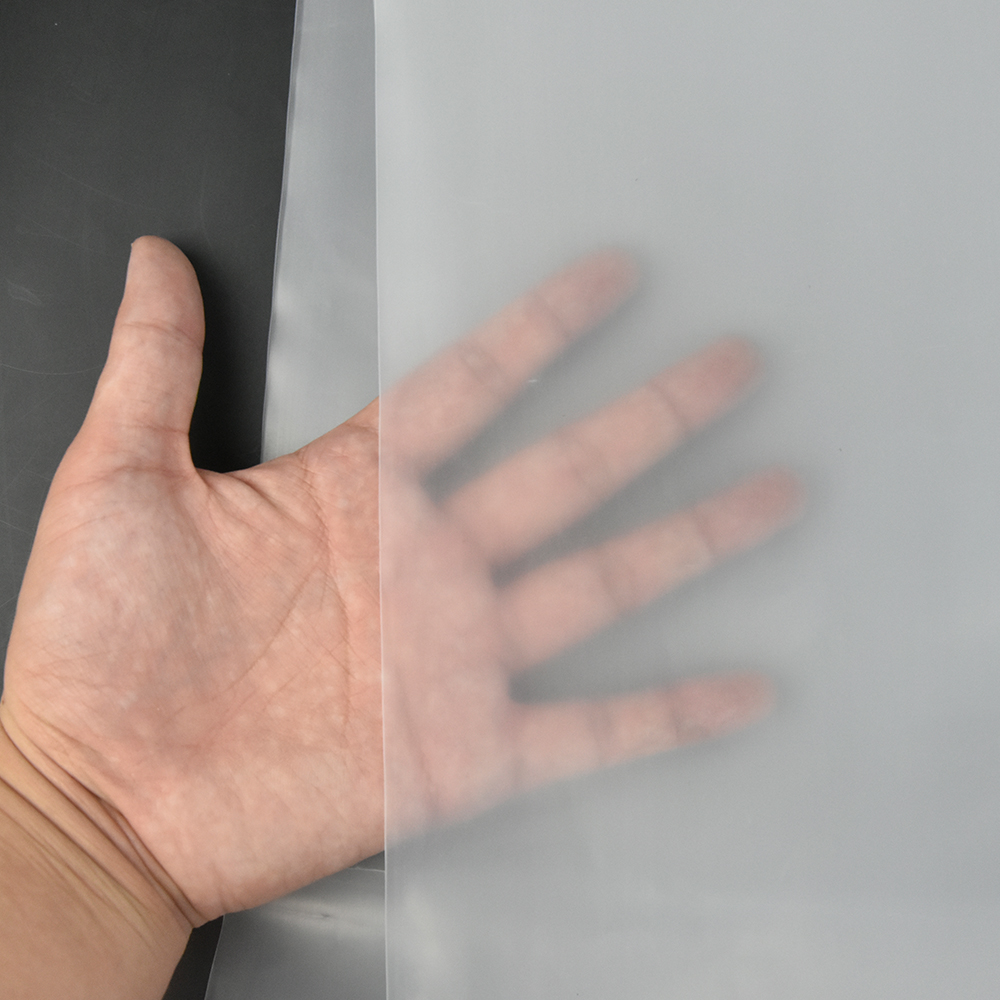
Here’s the problem-driven core: many buyers fixate on price per roll and overlook functional specs—UV stabilization, microns of thickness, and the film’s transmission rate. I’ve handled orders where the advertised “UV-stable” label meant 500 hours (not nearly enough for Mediterranean sun), and the practical consequence was accelerated yellowing and more frequent replacements. That design genuinely frustrated me then — and it still does. (Yes, specific batches matter; I documented one lot in June 2020 that failed within 14 months.) That mismatch between spec and real-world stress is the hidden pain point most suppliers won’t admit. This matters because it translates directly into replacement frequency, labor costs, and — ultimately — your margins. That leads us to the criteria you should demand next.
Hard choices, clearer metrics — what to demand from suppliers
Start with this: not all PE performs the same. I recommend treating the decision as an engineering problem—specify thresholds, test samples, and compare measured values. As someone with over 15 years in B2B supply chain and field trials, I insist on three actionable checks before purchase: measured transmission rate (visible and PAR), confirmed UV stabilization hours, and actual thickness in microns with documented weldability performance. Ask for lab reports. Ask for photos from at least one recent installation (preferably within the same climate zone). These are not theories; they’re the levers that change replacement cadence and yield consistency.
Also — and this is practical — run a simple on-site sample test in the spot where your crop is most sensitive. I did this for a wholesale buyer in California in 2017: a one-week side-by-side test of two films reduced their seasonal replacement forecast by 30% when the better film proved to hold transmission under midday heat. Don’t accept vague claims. Demand numbers, traceability, and a supplier willing to stand behind on-site results. Next, I’ll compare concrete supplier behaviors and contract terms you should accept (and those you shouldn’t).
What’s Next?
Direct evaluation — three metrics to choose with confidence
Here’s a firm statement: the right PE greenhouse film saves money over its lifetime, not just at purchase. I’m direct about this because I’ve calculated lifecycle costs for multiple greenhouse operations. Compare total cost per year, not cost per roll. Specifically, evaluate these three metrics before you sign: 1) Effective lifetime (measured in hours of UV exposure until transmission drops 10%); 2) PAR transmission percentage at installation and after 12 months; 3) Documented replacement interval in similar climates. Use these as your pass/fail gates.
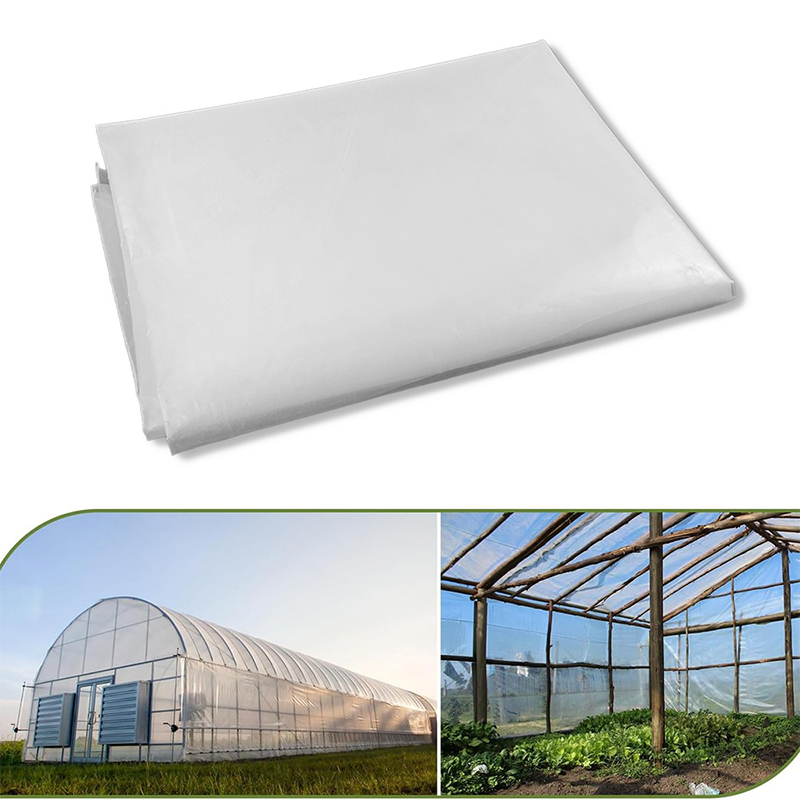
PE greenhouse film choices should be data-driven. When I review supplier proposals, I cross-check lab numbers with field samples and previous purchase records from the same supplier. Sometimes suppliers delay — wait — but a transparent vendor provides both. Also consider warranty terms tied to measured parameters (not vague language). If a supplier won’t provide test data from comparable installations, move on. Quick note: minor interruptions in service logistics are fixable; recurring product failures are not.
To sum up (briefly): demand measured transmission, verified UV hours, and a documented replacement history. Those three metrics separate inexpensive risks from true value. For support sourcing dependable PE greenhouse film and for supplier vetting, I rely on experienced partners who back their numbers with field data — for example, teams like HGDN.