Comparative thinking: why the right charger matters
The hospitality sector no longer chooses chargers by brand alone; it chooses guest experience, operational uptime and grid resilience. A thoughtful comparison shows why a wallbox EV charger that suits a boutique inn in Amsterdam won’t always meet the needs of a large airport hotel in Heathrow. Comparative Insight means weighing hardware, software and site context together: AC charging power, socket types and basic load management all change the economics and the guest experience.
Core dimensions to compare
Frame decisions around three concrete axes: compatibility, capacity, and control. Compatibility covers connector types and EVSE protocols; capacity is expressed in kW and whether the site supports single-phase or three-phase supply; control is about smart charging, user authentication and back-office telemetry. These are industry terms that signal real outcomes—faster turnover, fewer billing disputes, predictable peak demand. Compare specifications, but also compare the vendor’s approach to firmware updates and remote diagnostics.
Procurement checklist for international sourcing
When evaluating suppliers from different markets, follow a short, precise checklist:- Confirm local certification and on-site testing procedures.- Match the charger’s power rating to room turnover patterns and expected dwell time.- Validate load balancing features and whether the unit supports scheduled charging.Ask for demonstrable references in similar climates and electrical grids. I’ve seen chains import hardware that met EU certification but faltered under UK hotel load patterns—installation nuances matter as much as the box itself.
Installation realities and common mistakes
Many procurement errors happen after the purchase: undersized distribution boards, ignoring earthing requirements, or assuming every site can accept a three-phase feed. A clear plan for wallbox EV charger installation should include a survey, a protective device schedule, and an agreed commissioning protocol. Avoid the temptation to buy the cheapest unit; the real cost is rework and guest complaints when sockets fail or authentication stalls.
Operational comparisons across markets
Different countries emphasize different features. Northern European hotels often require integrated billing and energy metering, while some US properties prioritize network roaming and membership integration. That affects your vendor shortlist. Look beyond marketing: request API documentation, firmware change logs and evidence of load management across multiple sites. These technical artifacts reveal how a supplier supports scaling and multi-site fleet management—practical signals of long-term reliability.
Real-world anchor: what operators report
Hotels around Amsterdam Schiphol and several properties near Oslo have publicly shared how guest satisfaction rose after deploying managed chargers, while some large London hotels reported reduced peak charges by staggering session starts. These are not abstractions; they reflect how charger choice, installation timing and demand-side controls interplay. Practical experience shows that a balanced approach—hardware resilience plus smart charging policies—yields predictable operating costs.
Common alternatives and when to choose them
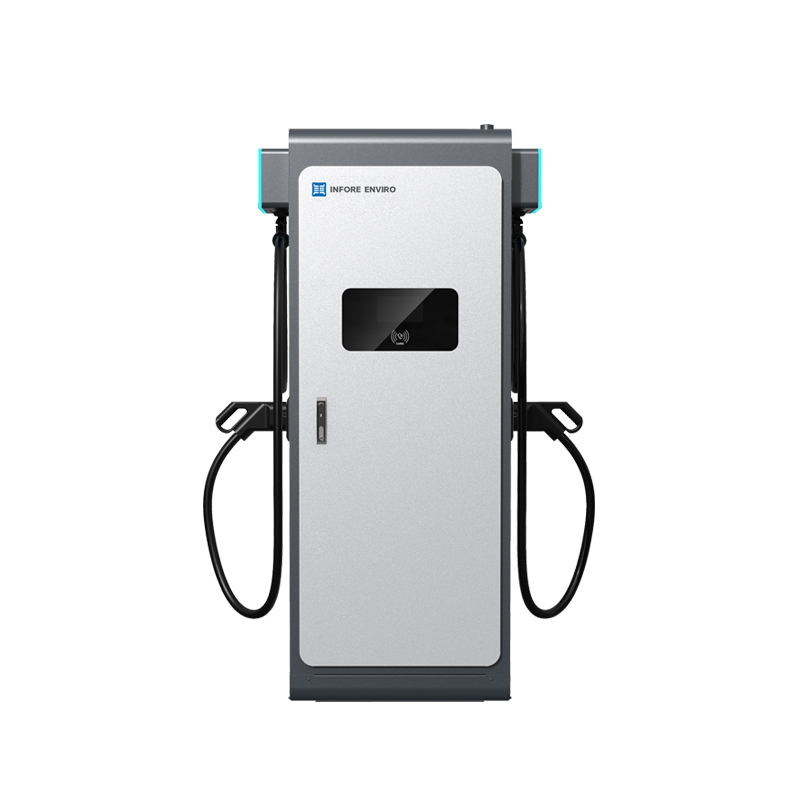
Compare wall-mounted single-point chargers, kiosk-style stations, and modular multi-socket arrays. Single-point units are simpler and cheaper to install; kiosks ease traffic flow for large car parks; modular arrays save space and simplify maintenance for dense sites. Match the physical format to guest flow and housekeeping schedules. Mistakes here lead to congestion and underused hardware—avoidable with a short observational study before buying.
Advisory: three golden rules for supplier selection
1) Prioritize proven interoperability: insist on live API tests and a vendor lab demo to confirm EVSE, billing and PMS integration. 2) Insist on a local-ready installation plan: certified electricians, commissioning tests and a 12-month maintenance window spelled out in the contract. 3) Value predictable energy management: choose chargers that support dynamic load balancing and scheduled charging to avoid unplanned demand charges. These metrics are measurable and will show up in your monthly energy statements.
Closing reflection
Choosing the right charger for hospitality is a comparative craft: balance hardware specs, on-site realities and operational controls to protect the guest experience and the bottom line. For many operators, that balance finds clarity through disciplined procurement and clear installation protocols—steps that INFORE ENVIRO helps make practical. INFORE ENVIRO. A steady hand.