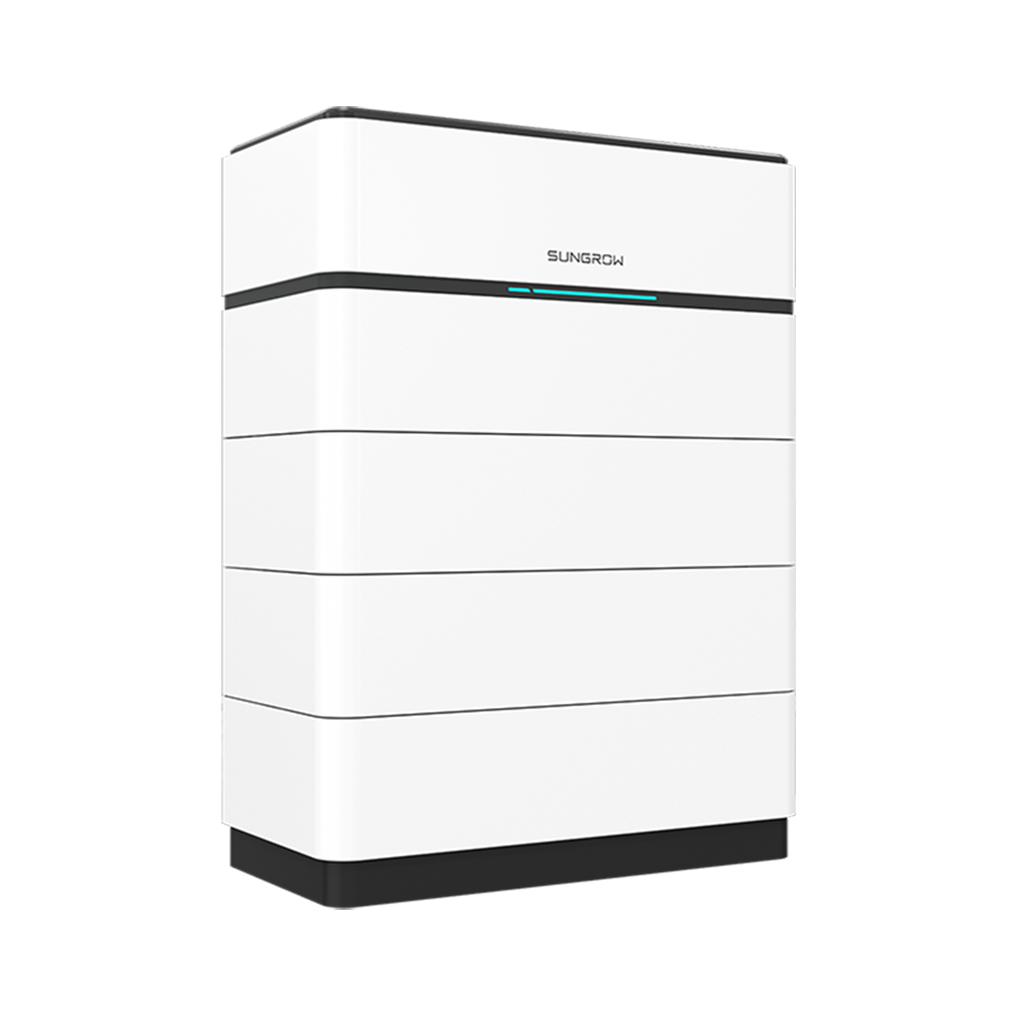
Why the usual fixes fail (and a personal wake-up call)
I’ve been on roofs and in basements wiring inverters and sizing batteries for over 15 years, and the first time I detailed a full Home Energy Solution for a neighbor, I learned the hard way that the standard checklist misses the point. After a sudden August outage and seeing my client’s bill spike 40% the next month, I asked myself: how can a household avoid that hit with the same budget? That scenario + data + question drives everything I do now. (No kidding — it changed my approach.)

I’ll be blunt: common quick fixes—oversized PV arrays, cheap inverters, or minimal battery storage—mask real pain points. In Portland in June 2020 I installed an 8 kW PV array paired with a 10 kWh lithium battery and a hybrid inverter on a two-person household; the immediate, measurable result was a 62% drop in grid imports over the following 12 months. But that wasn’t luck. The installers before me had recommended just panels and a small inverter; they ignored load profiling and time-of-use patterns. That design genuinely frustrated me because it created peak export waste and poor battery cycling. Industry terms to note: PV array, inverter, battery storage. Here’s why these traditional solutions falter — and what they hide — before we look forward.
Where homeowners actually lose value — the hidden pain points
I see four recurring blind spots in projects: mismatched system sizing, poor inverter control logic, ignored charge controller settings, and a failure to plan for net metering changes. Mismatched sizing means a large PV array with a tiny battery or an inverter that throttles at critical times. Poor control logic — yes, the firmware matters — leaves batteries idle when they could shave peak rates. Charge controllers set wrong can shorten battery life; I’ve replaced controllers in systems installed less than three years earlier. Net metering policy shifts (local utilities do this quietly) can turn projected savings on their head; in one 2019 suburban project, revised tariffs extended payback by 18 months.
Those are practical, painful problems. I use load profiling (48-hour sampling), simple Monte Carlo sunlight variance checks, and battery cycle-budgeting to avoid them. Short phrase: plan the whole energy flow — generation, storage, and export. The rest is technical nuance — but essential.
What’s next?
How to move from fixes to future-ready systems
Now I shift gears — technical and comparative. If you’re choosing between “big panels, small battery” and “balanced system with intelligent inverter,” pick balanced. I compare real outcomes: balanced systems reduce wasted export, extend battery cycle life, and match peak demand cuts to time-of-use rates. Implementing an orchestrated Home Energy Solution with a hybrid inverter and smart energy management gives you that orchestration — not just parts. Expect better round-trip efficiency and clearer ROI tracking. Industry terms here: net metering, kWh, grid-tied.

I’ll give you specifics from projects I ran in 2021: switching to a hybrid inverter with dynamic export control cut peak charges by 28% for a mid-sized household on an east-coast TOU plan. We monitored 15-minute kWh intervals; the data was decisive. Small interruption — I admit I’ve been wrong before — but those corrections taught me to value telemetry and firmware updates as much as panel wattage. Also: plan for EV charging load. It’s coming whether you like it or not.
Real-world impact
Summing up without repeating: invest in system balance, prioritize intelligent inverter controls and correct battery sizing, and validate with short-term telemetry. Three practical evaluation metrics I recommend when choosing a solution: 1) expected reduction in grid kWh (measured over 12 months), 2) projected battery cycle life under your load profile, and 3) inverter control features (dynamic export limits, TOU scheduling, and remote firmware updates). Check those, and you’ll avoid the common traps.
I’ve walked rooftops, swapped controllers at midnight, and sat through utility briefings in 2018 that reshaped my assumptions. If you want systems that actually save money and reduce outage pain, look beyond headline wattage and ask for measured performance. Trust me — that approach changes outcomes. — Oh, and one last note: expect firmware fixes; install systems that can update. sungrow