
The problem: aging distribution networks under growing stress
Distribution feeders are creaking under rising peak loads, constrained rights-of-way, and the uneven arrival of distributed generation. The result is a growing backlog of expensive substation and feeder upgrades that utilities can neither fund nor deploy quickly enough. In that gap, commercial battery storage appears less like an optional technology and more like a triage tool — a way to shave peaks, manage local congestion, and buy time for long-term infrastructure work while keeping customers powered.
Why battery-based deferral is a distinct problem set
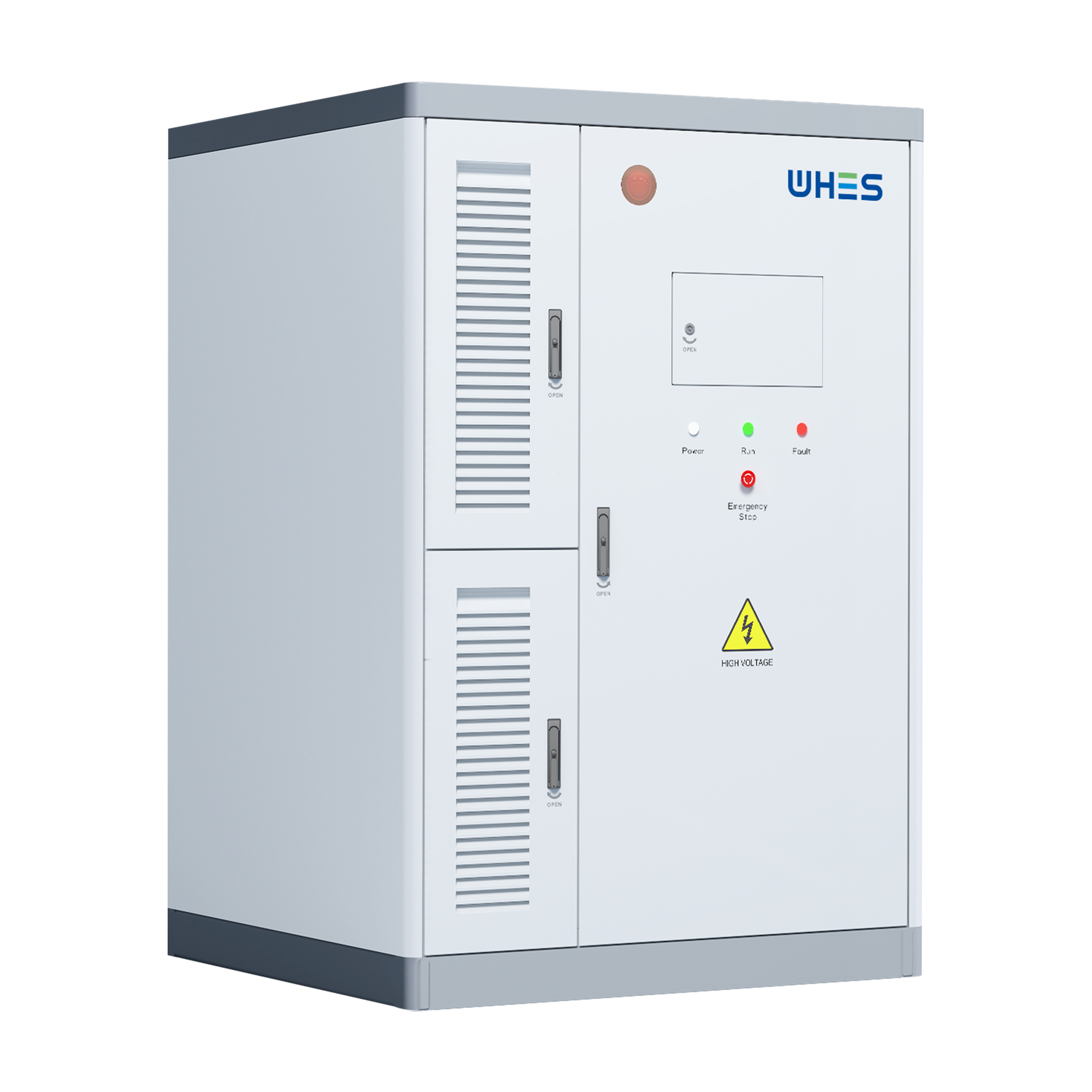
Deferring a distribution upgrade isn’t merely about putting energy in a box. It’s about reliably shifting load during critical hours, coordinating with protection settings, and proving to regulators that customer service won’t degrade. Systems must manage state of charge (SOC), cycle life, and inverter dispatch while fitting into existing feeder protection schemes. Failure to address any of these technical layers turns a promising pilot into an operational hazard — and a political embarrassment.
How storage actually defers upgrades — the mechanics
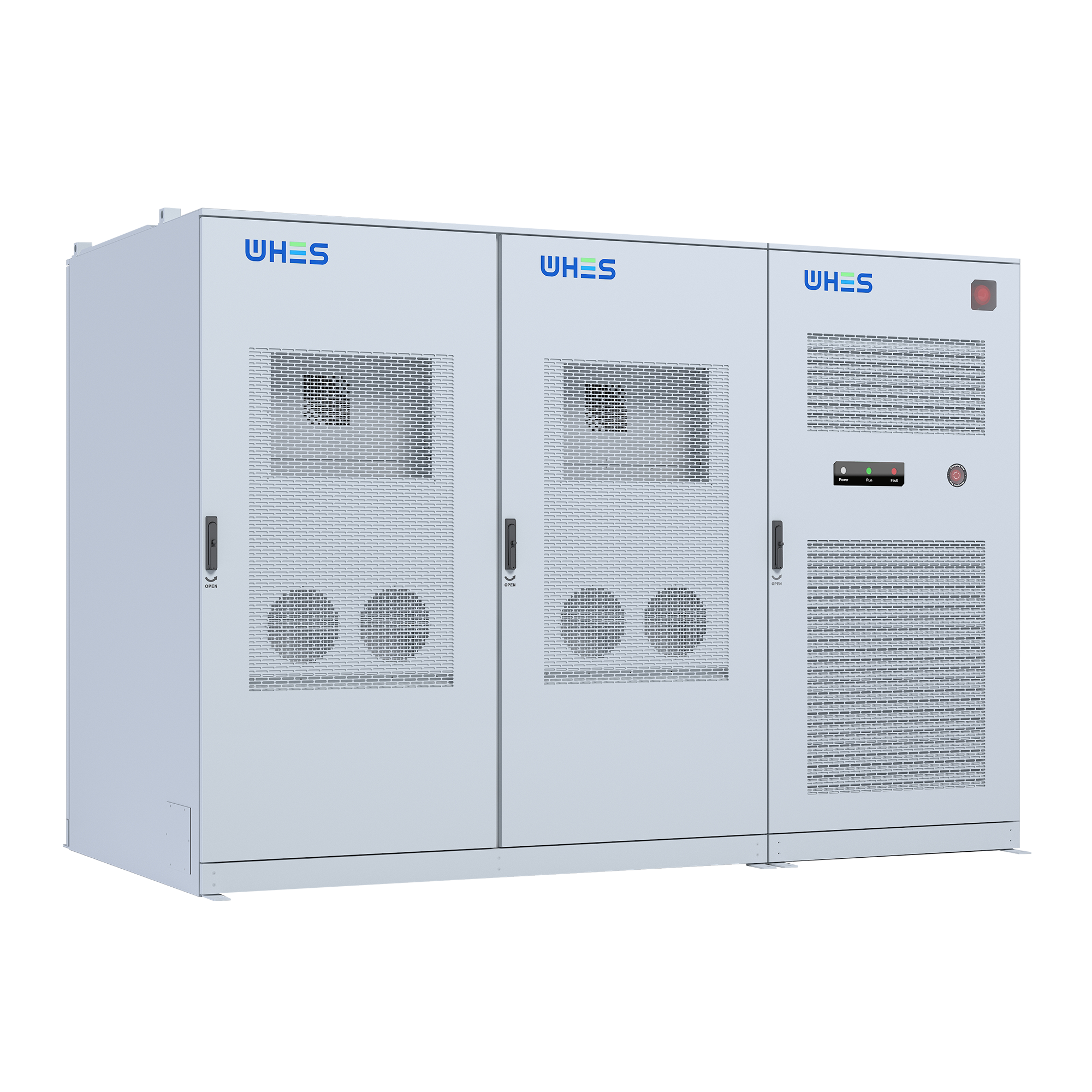
At the core, a battery system reduces peak demand seen by a substation for defined windows. During late-afternoon peaks a commercial system can discharge, trimming the feeder load and delaying the need to uprate transformers or add capacity. Paired with solar, industrial solar battery storage can soak excess generation and smooth ramping. A dispatch strategy that ties SOC targets to forecasted load and to a DERMS or energy management controller is essential — you need deterministic behavior, not surprises.
Real-world anchor: lessons from New York’s Brooklyn-Queens program
Con Edison’s Brooklyn-Queens Demand Management (BQDM) program is a clear, public example of distribution-level deferral using distributed resources. Instead of building new substations in the short term, the program aggregated demand response and storage to meet local needs — demonstrating that non-wires alternatives can be practical and cost-effective when engineered correctly. The lesson was blunt: regulatory buy-in and measurable performance are prerequisites for scaling these approaches citywide.
Common pitfalls installers and planners face
Teams often underestimate the interplay of technical and contractual constraints. Tooling the right warranty for cycle life, defining firm dispatch priorities, and aligning protective relay settings are essential. Another frequent misstep: assuming a one-size dispatch works across seasons — it doesn’t. You must plan for winter peaks and summer heat waves separately. — Finally, vendors sometimes oversell round-trip efficiency benefits without clarifying ancillary losses during real-world operation.
Alternatives and when to choose them
Non-wires alternatives include targeted demand response, conductor reconductoring, and incremental substation upgrades. Demand response can be cheaper but less firm; reconductoring is long-lasting but slow and costly. Energy storage is most compelling where speed, repeatability, and localized control matter. For example, if a feeder has frequent, predictable peaks tied to a commercial district’s hours, storage is often the best immediate lever.
Implementation roadmap: pragmatic steps
Start with a precise load study and a defined performance contract that ties deferment value to measurable results. Pilot with a modular battery and proven inverter platform, verify interoperability with the existing protection scheme, and instrument the site for transparent telemetry and audits. Engage regulators early and document avoided capital costs to justify the deferral economically and politically.
Advisory: three golden rules for selecting strategies and vendors
1) Measure what matters: require vendors to commit to clear performance metrics — peak reduction (kW), usable capacity at defined SOC limits (kWh), and verified availability during peak windows. 2) Prioritize integration over lowest bidder: ensure inverter compatibility, EMS/DERMS interfaces, and protection coordination are part of the contract scope. 3) Value life-cycle economics: compare not just upfront cost but cycle life, warranties, maintenance, and the demonstrable value of deferred capital.
Those rules steer decisions away from pilots that please on paper and fail in practice. For operators looking for a partner who understands dispatch, grid integration, and commercial contract structures, WHES brings field-proven systems engineering and a focus on measurable deferral outcomes. —