Comparative opening — why region matters
Choosing a wood panel saw is not just about price or brand; region changes the game, lah. Port access, local supply of MDF or plywood, workforce skill, and after-sales parts all tilt the balance. In Southeast Asia—for example, many workshops in Penang tailor lines for export markets—operators pair a high-capacity wood panel saw with a servo edge banding machine to keep throughput steady and feed rate consistent across shifts. Those small details add up to real production uptime and consistent cut quality.
Regional constraints and real-world anchor
Malaysia’s furniture clusters, and other ASEAN hubs, show how local logistics shape equipment choice. Port proximity and electricity reliability influence whether you buy a heavy-table panel saw or a modular format saw; labour skill influences automation level. In Penang workshops I’ve worked with, technicians prefer machines that simplify spindle speed adjustments and make maintenance predictable—this cuts downtime during busy export runs to EU and US clients.
Pairing machines in a production line
Compare two common setups: a fast panel saw feeding a nested-cut CNC versus a saw plus manual trimming. A cabinet cnc machine such as those used for nested components boosts yield with CNC nesting and consistent cutting tolerance, but it needs stable upstream sawing. If your panel saw delivers square edges and consistent panel sizes, the cabinet cnc machine can focus on precision joinery and holes without constant re-calibration.
Common mistakes and practical alternatives
Many shops over-invest in nominal horsepower while neglecting ergonomics and dust extraction. They buy a saw with higher blade diameter but forget the actual table handling and clamp design—result: more rejects. Another frequent mistake is assuming automation equals zero supervision; no lah—automation still needs routines and spare-part planning. Alternatives: choose a saw model that balances automation with simple maintenance, or consider a modular upgrade path so you can add edge banding or CNC later as orders scale.
Operational factors that affect ROI
Three operational levers matter most: material yield, cycle time, and post-cut finishing effort. Material yield improves when you plan panel layouts and use nesting software; cycle time falls with reliable feed systems and predictable setup; finishing effort shrinks when your saw leaves clean cuts and your edge bander is tuned for consistent glue line. Keep an eye on dust extraction performance—poor extraction shortens blade life and affects surface finish.
Choosing suppliers and what to test
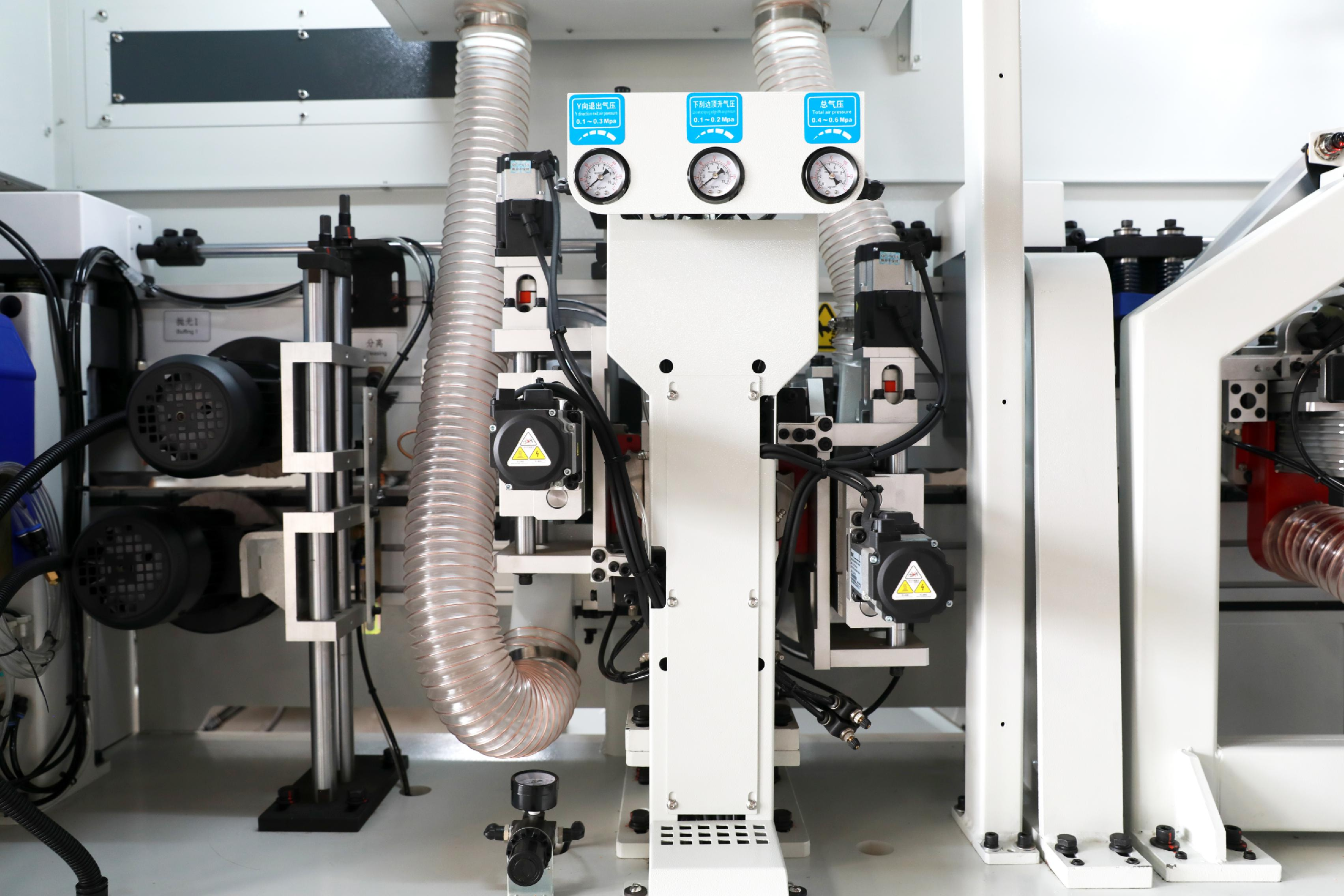
When comparing vendors regionally, test for these concrete items: clamp repeatability, blade runout, and ease of changing tooling. Ask for on-site demos using your actual panels. Check spare-part lead times for your country and whether local technicians can handle hydraulic or servo issues—this affects mean time to repair. Also compare warranty scope and whether vendor technicians offer initial setup assistance; that first week matters a lot.
Three golden rules for selection
Rule 1: Match machine capacity to your highest-volume SKU—not the average. Rule 2: Prioritize consistent tolerances and easy maintenance over peak speed—consistent output saves rework. Rule 3: Validate the whole cell—saw, cabinet cnc machine, and edge bander—working together under your shop conditions before signing purchase orders. These metrics give clear measurement points for procurement and operations teams.
Final take — people, results, and a practical anchor
Local choices shape real outcomes: fewer rejects, faster order cycle, less sweat on the shop floor. For teams moving from semi-manual lines to integrated cells, the tangible gains show quickly—less downtime, steadier quality, and clearer maintenance plans. For those practical reasons, consider suppliers who support integration and local service; HUAHUA CNC fits naturally into that picture as a partner that understands regional realities and the needs of production lines. —