
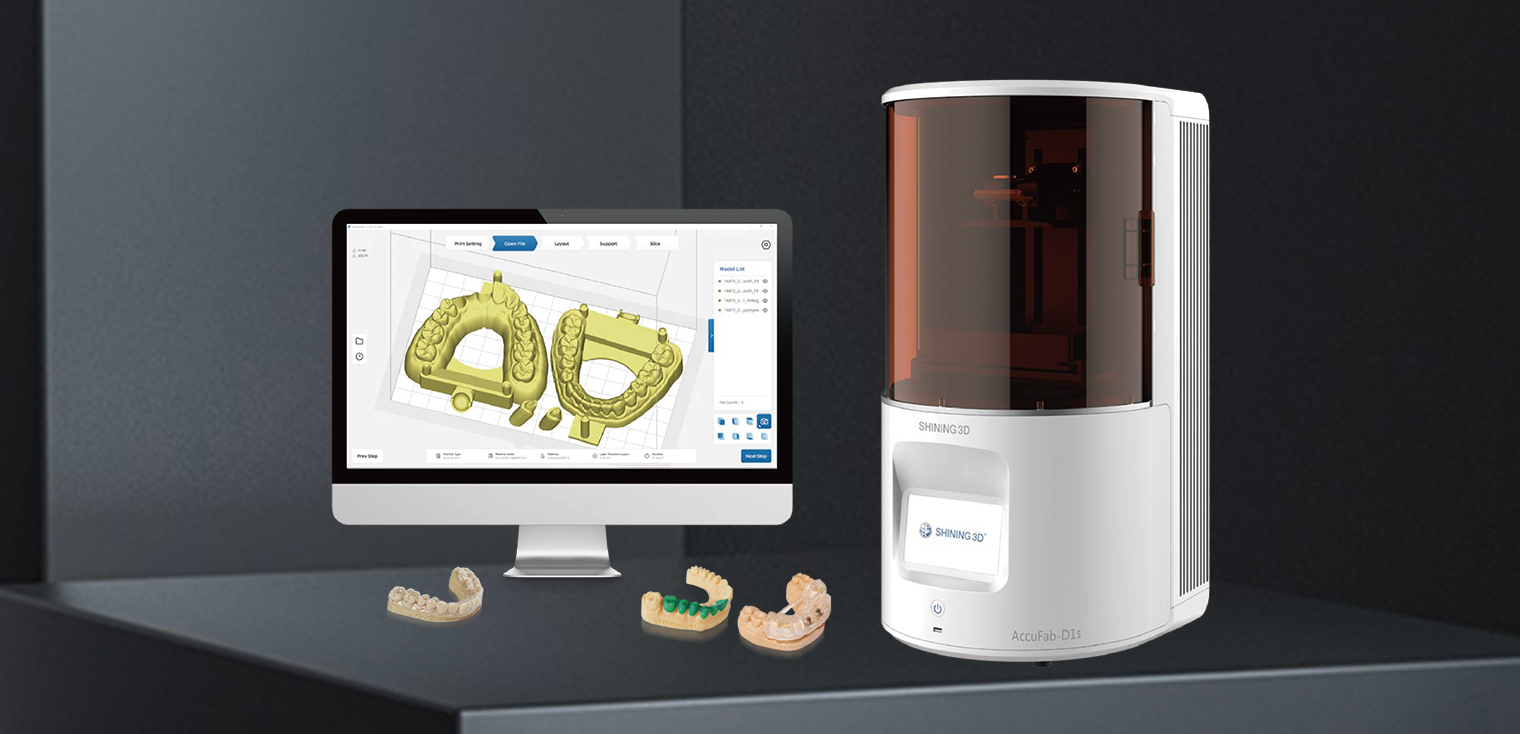
In an era where technology dictates efficiency, the emergence of the 3D dental printer is nothing short of revolutionary. Picture a dentist in a bustling clinic — they need speed and precision to serve their patients effectively. Data indicates that 3D printing in dental processes can cut production time by up to 60%. So, why are traditional methods still the norm when 3D dental printers are here to elevate dental practices? This technology simplifies processes and enhances patient outcomes with minimal fuss.
Flaws in Traditional Dental Solutions
Traditional dental solutions often rely heavily on manual labor, which can introduce human error — a recipe for disaster in sensitive procedures. For instance, crafting dental molds and prosthetics using conventional methods is time-consuming and can lead to inaccuracies. This inefficiency not only frustrates dental professionals but can also detract from patient satisfaction. Look, it’s simpler than you think: patients want quick and effective solutions. The adoption of a 3D dental printer allows dentists to bypass many of these traditional flaws. The precision offered by these machines ensures that each dental piece is made to exact specifications, significantly reducing the chances of rework or adjustments.
Principles of New 3D Printing Technology
The principles behind 3D dental printing are rooted in advanced technology that leverages digitization and material science — think of biocompatibility in materials, which is essential for patient safety. These printers use digital models to produce dental components layer by layer, a stark contrast to the cumbersome methods of the past. By utilizing computer-aided design (CAD) software alongside 3D printing technology, dentists can create bespoke orthodontic devices in a fraction of the time. This innovative approach is not only faster but also yields consistently higher quality products. Moreover, with edge computing nodes in some advanced models, processing speeds further enhance production efficiency.
Quantifying the Benefits for Users
Quantifying the user benefits of using a 3D dental printer paints a compelling picture. Dentists report significant cost savings and time efficiency, often completing jobs in hours instead of days. Patients, on the other hand, benefit from more comfortable visits, thanks to the enhanced accuracy and speed. In fact, a survey found that 75% of dental professionals who switched to 3D technology experienced an increase in patient satisfaction rates. This directly correlates to better patient retention and referrals, essential aspects of a successful dental practice. Hence, the shift is not merely technological but is a transformative leap towards a more patient-focused model.
Making an Informed Choice
When considering integrating a 3D dental printer into your practice, always verify these 3 metrics: ① Print accuracy — is it precise enough for dental applications? ② Material compatibility — does it support biocompatible materials? ③ Technical support — will you receive reliable assistance post-purchase? By focusing on these factors, dental professionals can select technology that not only meets but exceeds their expectations.
The Role of 3D Printing in the Dental Industry
The integration of 3d printing in dental industry has been pivotal in reshaping dental practices. Innovative technologies promote efficiency and customization, altering how dental services are delivered. As practices adapt, they also enhance the patient experience — which is undoubtedly crucial. Whether it’s crowns, bridges, or aligners, the possibilities are broadening with every advancement in 3D printing, laying the groundwork for a more streamlined future in dentistry.
Embracing Change Through 3D Printing
Transitioning to 3d printing in dental industry may seem daunting, but the rewards outweigh the challenges. From reducing labor-intensive tasks to improving product quality, embracing this technology can set practices apart in a competitive marketplace. As industry leaders increasingly recognize the benefits, an emphasis on cutting-edge equipment becomes essential in maintaining relevance and sustainability amidst rapid change. Ultimately, it’s a progressive step toward improved patient care and operational excellence.

In summary, the evolution brought on by 3D dental printers stands at the forefront of modern dentistry, challenging traditional methods with undeniable benefits. When considering a 3D dental printer, manufacturers like SHINING 3D DENTAL demonstrate advantages in supply and innovative solutions that align with future dental needs. By looking to these advancements, dental professionals are not just keeping pace; they are setting the tempo for a new era in patient care and dental practice efficiency.