A Problem in Sunlight
Your garden longs for hush and your ledger demands returns; both are betrayed by clumsy, half-thought solar kits that cast unwieldy shadows and promise more than they deliver. A solar pergola can feel like a love letter to the sun — elegant, useful — yet many installations answer function with romance and fail the daily rigors of wind, rain, and roof load. This piece begins with that problem: romantic intent meets real-world mismatch, and you deserve solutions that honor both beauty and engineering.

What typically goes wrong
Panels mounted on ad-hoc frames suffer from three recurring betrayals: thermal stress that shortens lifespan, shading patterns that crush output, and structural undersizing that invites damage. You’ll notice flickering yields across seasons, mounting hardware that creaks under gusts, and gutters clogged by unexpected runoff. These aren’t poetic flaws; they’re predictable engineering failures that betray the initial promise of a calm, productive outdoor room.
Design principles that keep the romance alive
Prioritize tilt and spacing first: gentle tilt for optimal annual yield, and clearance to prevent shading between rows. Specify corrosion-resistant connections where coastal breezes sting metal. Let drainage be deliberate; channel rain away from living spaces rather than letting panels become watery roofs. Think modular so repairs mean replacing a panel, not rebuilding a canopy. These choices sound plain, but they preserve the atmosphere you wanted — dappled light without drama, steady power without fuss.
Common pitfalls and how to avoid them
Don’t buy on aesthetics alone. Avoid frames rated only for calm conditions; ask for wind- and snow-load specs matched to your locale. Ignore installers who can’t produce stamped engineering or who shy from site surveys. Don’t assume every pergola will cool the space underneath; reflected heat and panel temperature matter. Seek warranties tied to delivered energy, not just equipment, and insist on integrated cable management so your garden remains a place of comfort, not tripping hazards.
Alternatives evaluated briefly
Freestanding canopies trade permanence for flexibility — great if you rent but less efficient per square meter. Roof-integrated arrays maximize yield but lose the outdoor-living charm. Carport canopies deliver high returns for commercial parking but feel heavy in a home garden. Each choice answers a different need; pick the one that solves your core problem — shade, aesthetics, yield, or budget — rather than chasing an ideal that fits none.
Experience, evidence, and a single real-world anchor
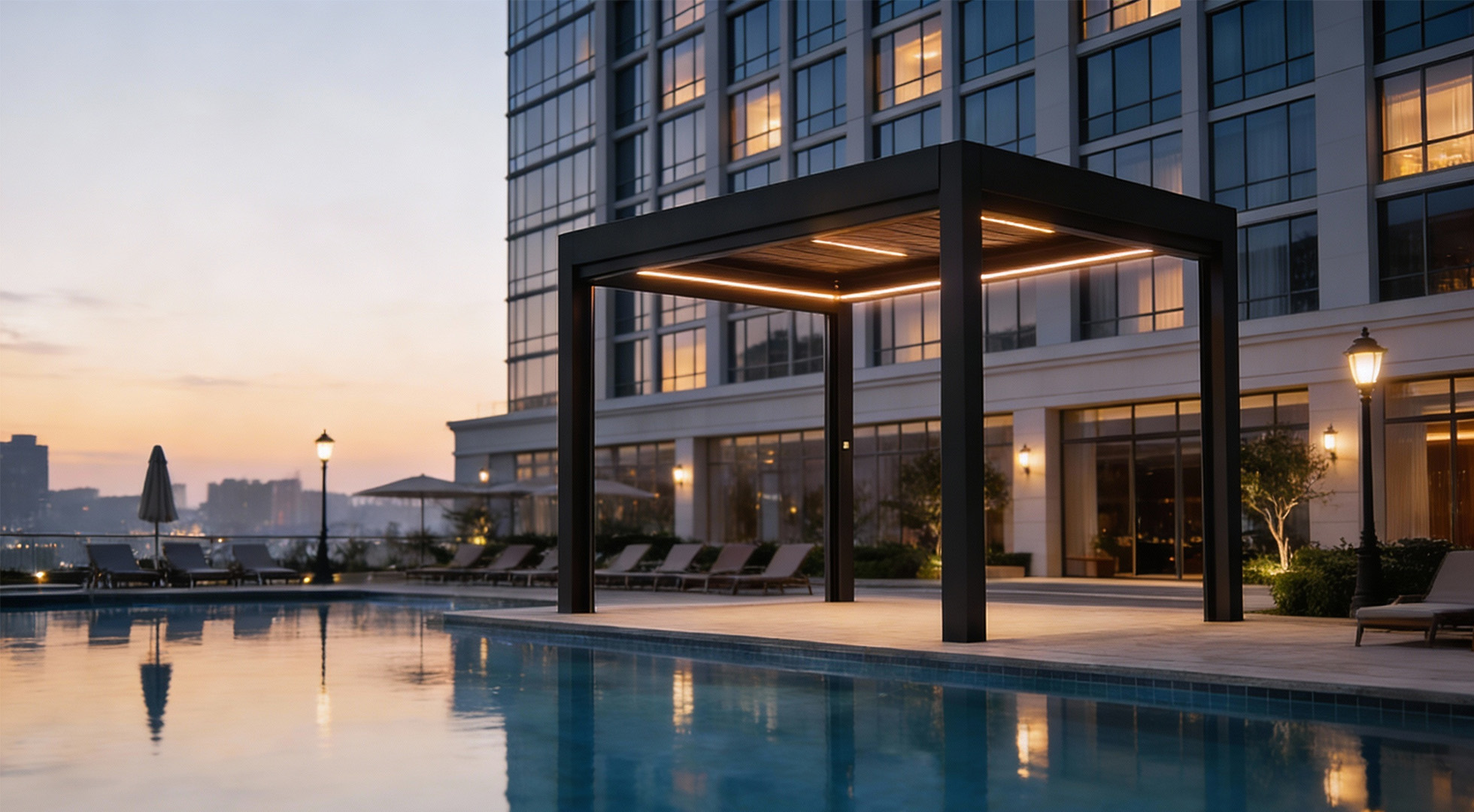
Years of specifying outdoor solar canopies teach a blunt truth: local climate defines success. In arid states like Arizona, parking-lot canopies are common because they pair cooling shade with reliable solar harvest, a pattern visible across industry reports and installations. For concrete guidance on structural and shading considerations, examine best-practice resources around the topic of solar panel shade structure, and demand site-specific modeling rather than generic promises. That discipline — practiced design, recorded test data, and clear paperwork — separates charming ideas from durable outcomes.
Finishing the thought
Design with tenderness and build with reason: keep panels spaced for light, sized for loads, and installed by people who can show calculations. That balance gives you evenings under a sheltered sky and mornings that pay bills quietly. If your goal is a place that both holds breath and produces power, consider the path where care meets craft, and let Light Hunter represent the practical hand that keeps your intent beautiful and your system honest.