Think Like a User: Start With the Job, Not the Brand
Yuh don’t start by buyin’ de fanciest name on de sticker. First, ask what the batch gotta do — particle size target, solids load, viscosity, batch size, and how often yuh need to run. If you need fast dispersion for creams, sauces, or paint, look at high shear batch mixers first. Keep it simple: match the equipment’s shear and flow to your product recipe, not to marketing claims.
Features That Actually Matter to Operators
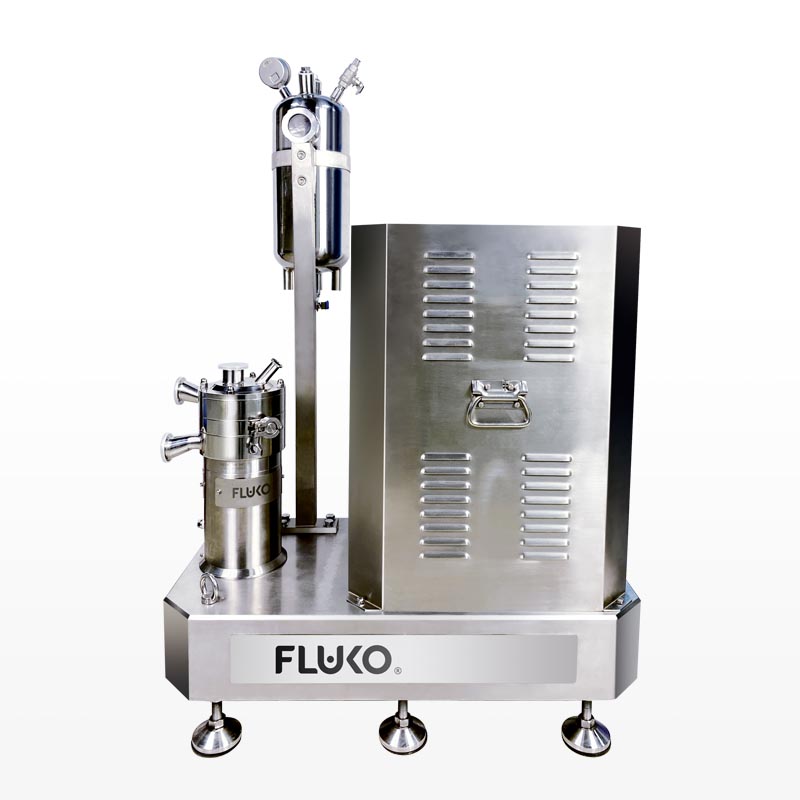
You’ll use the machine every day. Pick the things that save time and reduce mistakes: easy-to-clean geometry, accessible seals, clear control layout, and modular rotor-stator options. Look for variable speed control so you can tune tip speed without swapping motors. Sanitary finishes matter when contamination cost more than the mixer. Materials that resist abrasion for heavy solids, and quick-release clamps for seals and rotors, change a 4-hour downtime into 30 minutes.
How to Evaluate Shear and Scale — Practical Checks
Don’t trust only RPM numbers. Ask for tip speed, power density (kW per cubic meter), and expected shear rate range. Run acceptance tests with your formula: small-scale trials that measure droplet distribution or dispersion time tell you more than vendor brochures. When you scale up, preserve tip speed or power per volume as your control variable — whichever correlated best with product quality during trials. Keep sample logs. Repeatability is key.
Alternatives and When to Choose Them
Sometimes a batch high-shear mixer isn’t the best fit. Inline homogenizers give continuous control for large volumes and narrower particle distributions. Ultrasonic devices work well for delicate emulsions with low thermal impact. Rotor-stator systems are great for thick pastes. Choose by throughput and product sensitivity: if batch variability matters, stick with batch mixers; if footprint and continuous flow are priority, consider inline systems.
Common User Mistakes to Avoid
People often under-spec the motor, over-speed the rotor to save time, or ignore feed strategy. Underpowered drives stall under load; over-speeding burns product or ruins rheology. Feeding solids too fast creates agglomerates. Feed sequence matters: wetting agents first for powders; slow solids addition for high-viscosity slurries. Don’t skip vendor test runs with your actual formula.
Maintenance Habits That Keep You Running
Set simple routines: daily visual checks, weekly seal inspections, monthly vibration log, and rotor balance checks quarterly. Keep spare seals and at least one rotor on the shelf. For CIP, confirm nozzle reach and circulation rates before production day. Record every change: a single undocumented rotor swap can make quality control chase ghosts.
Experience, Expertise, Authority — A Real-World Anchor
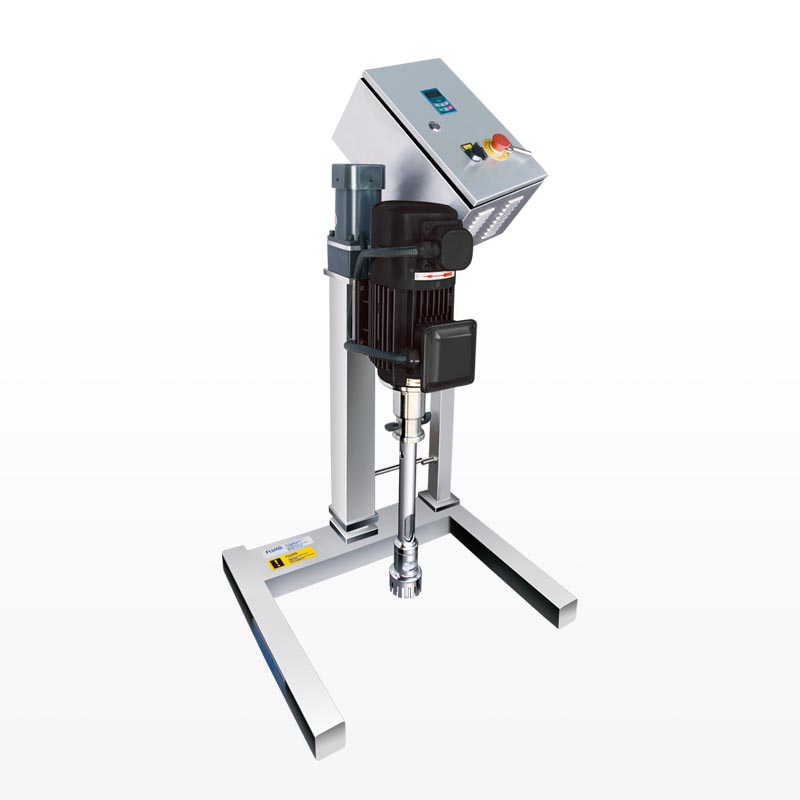
I’ve seen these choices play out at shows like ACHEMA and on plant floors where quality specs tighten overnight. When engineers compare setups there, they look for verifiable shear performance and cleanability. For a practical reference, check an industrial batch mixer spec sheet and confirm tip speed, kW/m3, and mechanical seal type against your acceptance test results. Those three numbers usually decide whether the mixer will meet your product specs.
Nail the Integration — Control and Process Checks
Integrate the mixer controls with your PLC for recipe recall, ramp profiles, and alarm logging. Program interlocks for feed pumps and temperature limits. Validate every recipe change with a short verification run and keep data accessible for QC. Simple: if you can’t reproduce a run in two weeks, the setup isn’t stable.
Final Synthesis
Yuh want reliable mixes, less downtime, and predictable scale-up. Put the operator’s needs first, test with real formulas, and check the hard numbers — tip speed, power density, and seal design. Choose equipment that’s serviceable and controllable. When everything must work together — design, acceptance testing, and plant practices — the result is a process that holds quality batch after batch, like the reliable systems offered by FLUKO.