Introduction: A Meeting That Should Have Been Easy
A project team gathers for a hybrid review. The clock is ticking, and the first audio drop hits. The wireless conference system was supposed to remove friction, not add it. In many rooms, one glitch can slow a meeting by five minutes; scale that to 12 meetings a week, and you lose hours. Surveys put audio issues near the top of meeting risks, with over a third of sessions delayed by setup or signal problems. The pattern is clear in crowded offices: RF interference creeps in, the latency budget expands, and quality of service slips when the network gets busy (peak usage is not kind). So, how do we compare options and avoid the same pitfall—again? We start by naming the weak spots, then we map them to the right design choices. Next, we examine what old solutions miss, and why the new ones matter.
Why Traditional Setups Fall Short in Real Rooms
Where do legacy setups break?
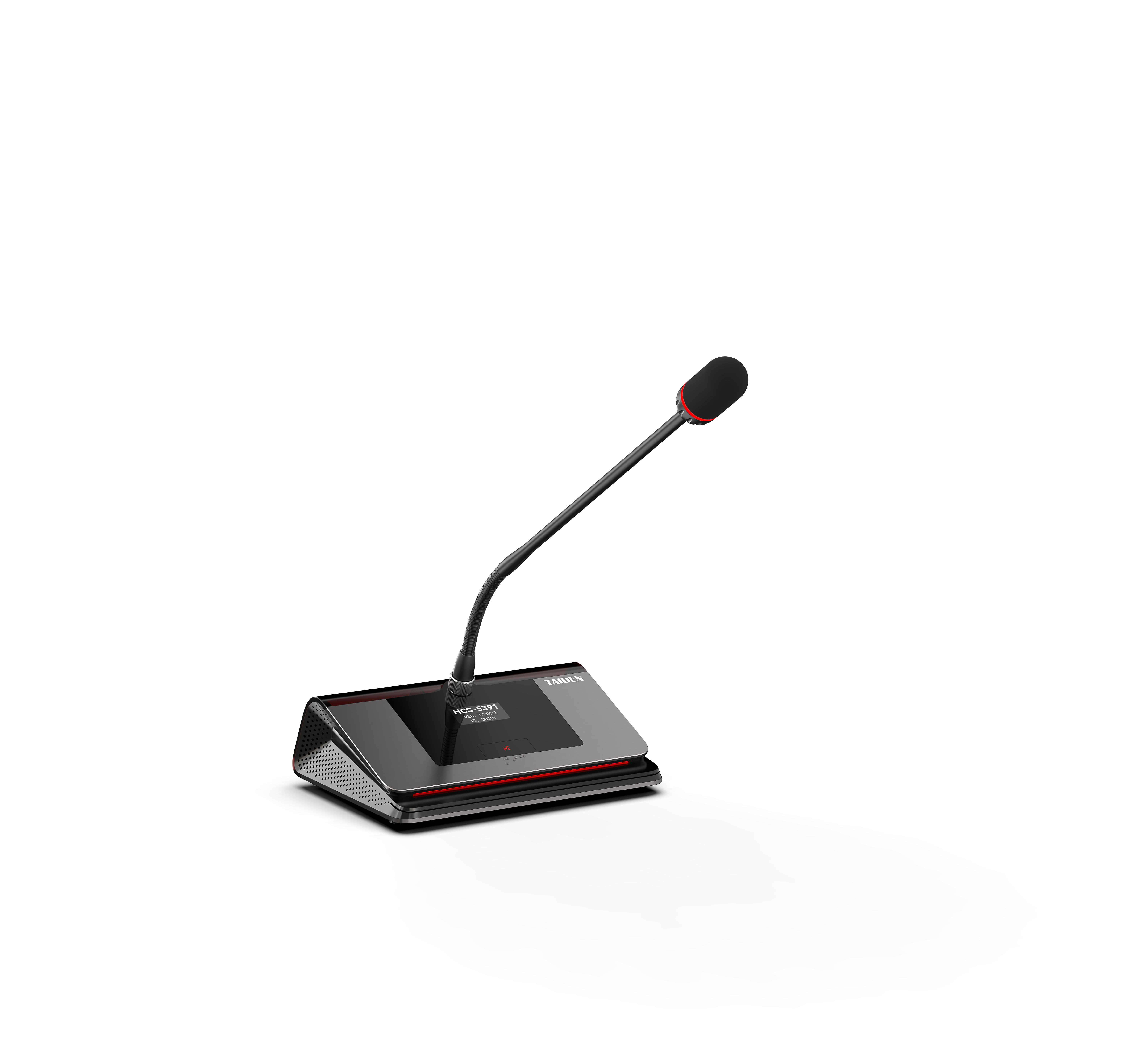
In many sites, the older chain looks like this: handheld mics, a mixer, a control box, and a fixed antenna plan. It works—until it doesn’t. A digital wireless discussion device changes that flow by managing audio, control, and security in one stack. Look, it’s simpler than you think. Legacy systems often assume stable channels and a quiet spectrum. But offices shift. Walls get new glass. Neighboring tenants add devices. Then channel crowding rises, packet loss spikes, and your gain staging turns touchy. Technical notes tell the story: time-division duplex can collide with other schedulers; DSP noise gates mask soft voices; and AES-128 done poorly still leaks metadata. Users feel only the outcome—dropped words and stalled votes.
Hidden pain points are not on the price tag. Battery fleets drift, and unmanaged chargers shorten cell life—funny how that works, right? Firmware trees fork, so half the mics run an older codec. Control apps lag behind IT rules, and ports clash with firewall policies. Even mic etiquette becomes a constraint when automatic mic limits miss side-talk. Add latency creep when an overworked switch drops QoS. The result is a system that looks clean on paper, but bends under a real load. The fix is not a bigger antenna; it is a design that senses, adapts, and reports—on every session.

From Fix to Framework: Principles That Make Next-Gen Work
What’s Next
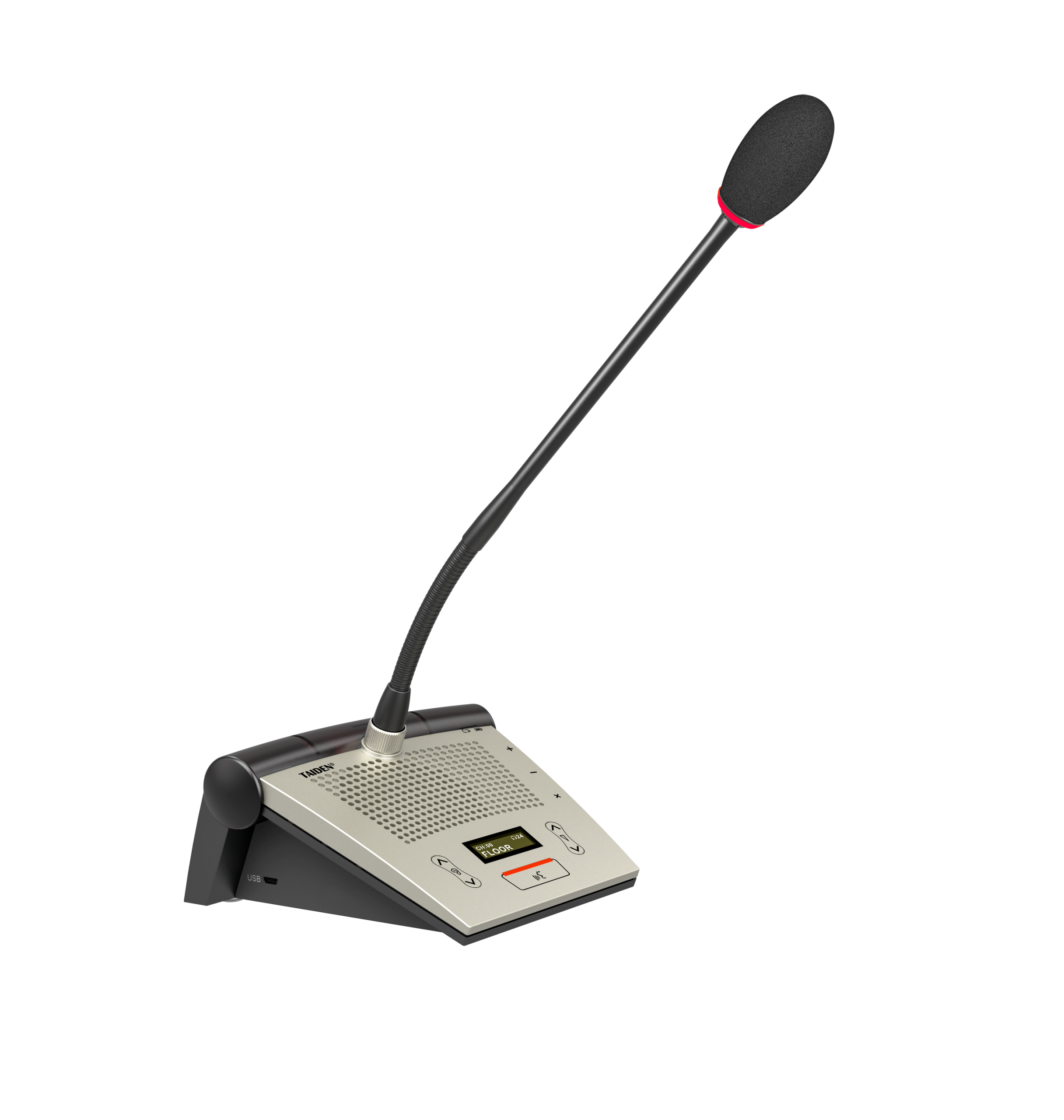
The next wave solves the root cause, not the symptom. A modern stack pairs OFDM with smart hopping to dodge narrowband noise. MIMO and beamforming shape links toward talkers, so the room itself helps carry the signal. Edge computing nodes handle local DSP, keep the latency budget tight, and buffer against jitter. Encryption upgrades to AES-256 while keeping control traffic separate from media. And the management layer closes the loop with live KPIs. In practice, a well-tuned taiden wireless conference system treats the air like a shared road: it meters bandwidth, enforces QoS, and reroutes when congestion rises. This is not magic—just disciplined radio design and software that listens to the room.
Compare this to the legacy picture you know: static channels, manual gain, and one “good” spot for the antenna. We move instead to adaptive profiles, per-seat diagnostics, and self-healing links. That shift reduces packet loss, stabilizes talk-time handover, and trims setup minutes. It also makes mixed-use rooms viable—events today, council meetings tomorrow—and yes, that includes older buildings. The insight is simple: what failed before was the assumption of sameness. Real rooms breathe and change, so the system must too.
- Advisory metric 1: Interference resilience. Check co-channel rejection, SNR at -65 dBm, and how fast the system retunes under RF spikes.
- Advisory metric 2: End-to-end latency under load. Measure with eight or more active mics, plus Dante traffic, and note worst-case jitter.
- Advisory metric 3: Lifecycle manageability. Look at battery cycle counts, charger health, firmware rollback, and per-seat analytics—funny how the small tools avert big outages.
Use these to compare systems and to stress-test your shortlist. The goal is not a spec trophy; it is stable speech, fast setup, and clear control in the room you actually have. For grounded engineering and consistent delivery, see TAIDEN.