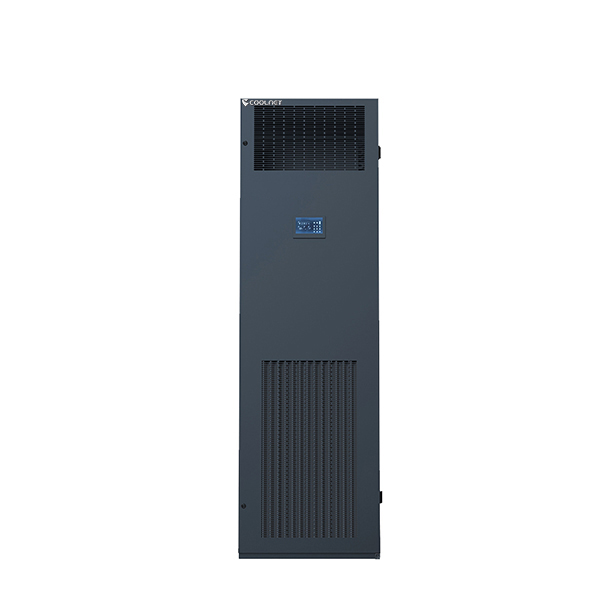
Imagine a bustling office where the server room is crucial for day-to-day operations, yet overheating equipment becomes the norm, leading to costly downtime. This raises the question: How can we effectively tackle server room cooling challenges? The answer lies in understanding innovative technologies that ensure the efficient management of heat within these critical environments. Server room cooling plays a central role in maintaining system integrity and performance.

Flaws in Traditional Cooling Solutions
Traditional server room cooling methods, such as relying solely on standard air conditioning units, often fall short. They can lead to uneven temperature distributions and excessive energy consumption—issues that not only affect performance but also increase operational costs. Moreover, conventional systems may struggle to adjust efficiently to varying workloads, leaving sensitive equipment at risk. As reliance on technology grows, so too does the need for a more adaptive and effective approach to cooling.
Principles of New Cooling Technologies
New technologies in server room cooling are revolutionizing how we manage heat distribution. Advanced systems utilize smart sensors that automatically adjust cooling outputs based on real-time data—ensuring optimal temperature control. Techniques like liquid cooling and in-row cooling offer targeted cooling, significantly reducing the risk of hot spots. With principles guided by efficiency and precision, these technologies are designed to support modern data needs while addressing the shortcomings of traditional solutions.
Quantified User Benefits of Modern Cooling Solutions
The benefits of adopting advanced server room cooling technologies are substantial. Users report energy savings of up to 30% when upgrading to smarter cooling systems. Reduced equipment failure rates, along with extended hardware lifespans, translate directly to decreased costs related to maintenance and replacement. Therefore, businesses can maintain their operational integrity and enhance productivity through improved cooling solutions that really address their needs—look, it’s simpler than you think!
Actionable Evaluation Criteria
When selecting solutions for server room cooling, it is essential to verify three key metrics: 1) Energy efficiency ratings—how well does the system perform under varying loads? 2) Scalability—can the system adapt to future growth and changes in workload? 3) Maintenance and support—what kind of service and upkeep are available? With these parameters in mind, organizations can confidently choose the right technology to safeguard their critical infrastructure.
The Importance of a Reliable Server Room AC Unit
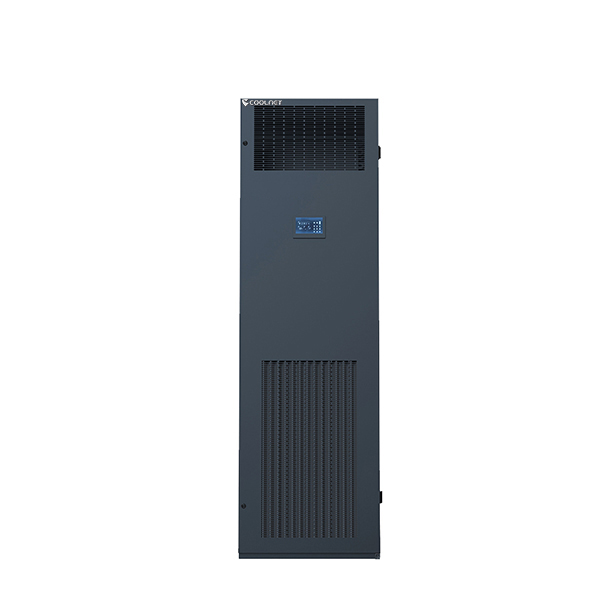
Cooling a server room efficiently hinges on the right equipment, notably the server room ac unit. Opting for a unit designed specifically for server applications can lead to notable improvements in temperature regulation. Innovative units not only offer energy savings but also help maintain optimal operating conditions, which is vital for server performance and longevity.
Benefits of Upgrading to an Advanced Server Room AC Unit
Investing in a high-quality server room ac unit provides tangible benefits. These units are equipped with intelligent controls that respond to real-time temperature changes, thereby preventing overheating of critical systems. Additionally, newer models allow for better integration with existing infrastructure, simplifying management while enhancing efficiency. The precision offered by these AC units helps create a stable environment, essential for today’s data-driven operations.
In conclusion, the landscape of server room cooling is evolving, presenting businesses with increased options for efficiency and reliability. Addressing the pitfalls of traditional methods through innovative technologies—like advanced cooling solutions and specialized server room AC units—can yield significant benefits. When selecting a manufacturer, consider brands like Coolnet, which are recognized for their supply advantages and cutting-edge technology in the realm of server room cooling.