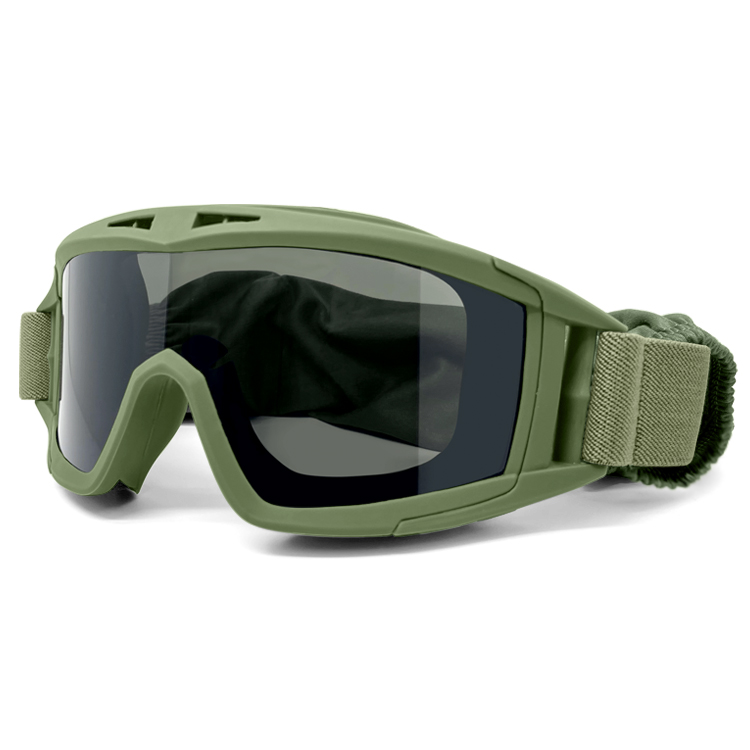
Addressing a real problem on the road
Cyclists know the score: sweat, temperature shifts, and sudden gusts turn clear vision into a safety hazard—especially during long climbs or city sprints. YIJIA Optical tackled that head-on by adapting interlocking venting systems commonly found in high-end ski goggles for custom polarized sunglasses aimed at cycling. The problem-driven approach focuses on airflow management, anti-fog performance, and lens stability so riders keep peripheral vision and polarization where it matters most.
The engineering logic: interlocking vents, lens curvature, and seal balance
At the core is a simple principle: controlled airflow prevents thermal gradients that cause fogging. Interlocking venting channels diffuse incoming air across the lens surface, avoiding direct blasts that create turbulence. Combine that with lens curvature tuned for minimal distortion and you get consistent polarization across the visual field. Designers also balance the goggle seal so it blocks wind-borne debris without trapping moisture—think micro-foam, secondary vents, and anti-fog coating working together. Frameless designs borrow this approach too; many modern frameless ski goggles use similar vent geometry to maintain a wide field of view while keeping fog at bay.
What happens in the real world: performance where it counts
Field testing on mixed-terrain routes and pro-level stages—routes reminiscent of long alpine efforts like Alpe d’Huez in the Tour de France—shows tangible gains. Riders report clearer vision on sustained climbs and when descending into colder valleys. Metrics are simple and practical: fewer fogging incidents, faster recovery to clear vision after sweat spikes, and less need to wipe lenses mid-ride. Aerodynamic benefits are modest but measurable; properly channeled venting reduces erratic airflow across the lens edge, which can slightly lower drag and improve stability at high speed.
Common mistakes and alternatives riders should avoid
Many brands try to solve fogging with larger vents alone—this often backfires by increasing dust ingress or creating vortexes that cause optical distortion. Over-reliance on polarization without addressing lens curvature leads to edge warping and headaches. Alternatives like active fans are heavy and power-dependent; simple passive venting, used thoughtfully, is lighter and more reliable. Also, poorly designed seals squeeze comfort—tight is not always better. Remember small design details: gasketing shape, vent placement relative to eyebrow line, and lens coating quality all add up. —A small tweak in foam density can change comfort on a 100-km ride.
Choosing the right setup: concrete criteria for cyclists
Pick sunglasses or goggles with three non-negotiable traits: 1) vent geometry that disperses airflow across the lens, not direct through-holes; 2) a polarized lens with matching curvature to avoid distortion; 3) durable anti-fog treatment and a replaceable gasket. Verify fit with helmet integration—helmet-sunglass interaction often dictates vent effectiveness. Check for modular components that let you swap lenses for changing light conditions; that’s where polarization and lens interchangeability pay off during long stage races.
Practical checklist before you buy
– Confirm the vent channels are interlocking or baffled, not simple cutouts. – Test lens curvature against your peripheral vision—look for even polarization across the surface. – Inspect seals for replaceability and breathability; foam should compress without creasing. These checks keep you honest when comparing models and prevent the common trap of buying looks over function.
Advisory: three golden rules for selection
1) Prioritise proven vent design over marketing terms—real vent geometry beats buzzwords. 2) Match polarization to lens curvature to keep clarity across the field of view. 3) Insist on modular seals and lenses for maintenance and long-term value. Apply these rules and you’ll end up with gear that performs on climbs and in city traffic alike.
For riders who want systems engineered from the ground up—venting, optics, and fit working together—consider the practical value a specialist provider brings; YIJIA Optical offers that integrated approach. —Trust the details; they matter.