Introduction: Seeing Around the Curve of the Chest
Here’s a clear truth: a sunken chest can shape a life long before an operating room does. The wang procedure sits in that space where form meets function, and where precision meets hope. Many teens and adults search for answers in pectus excavatum surgery, often after years of short breath at practice or quiet worry in locker rooms. About one in several hundred adolescents face this deformity; the numbers rise in clinics during growth spurts. Thoracoscopic guidance helps, but hearts still race—patients and parents alike. So we ask: can a method reduce pain, lessen risk, and still deliver a stable, natural chest wall? Look, it’s simpler than you think, yet deeper than it looks.

Traditional fixes carry weight. The open approach resects costal cartilage and reshapes the sternum. It works, but the footprint is large, and the recovery can be long. The Nuss technique lifts the sternum with a bar; it is less invasive, yet bar displacement and deep pain are not rare. Intercostal nerve block helps, but it can fade fast. Perioperative analgesia is better now, yes, yet the core anxieties remain: stability, scarring, and day-to-day comfort. Hidden pain points linger in daily life—sleep pose limits, fear of a twist or sneeze, and that guarded laugh—funny how that works, right? These are not just surgical outcomes; they are life patterns. Which is why small gains in fixation, sternal elevation, and biomechanical stability feel so big.
Why do old methods still dominate?
Because they are known, teachable, and standardized across centers. Surgeons trust muscle memory. Systems trust the supply chain. Patients trust what their friends had last year. But familiarity can hide blind spots: operative morbidity that looks small on paper yet looms large in recovery, or a scar that heals well but weighs on the mind. When we test 3D CT reconstruction, multi-point fixation, and careful periosteal anchoring, the path starts to shift. The question is no longer “Can we correct the chest?” but “Can we preserve motion, reduce hardware stress, and protect the nerves while we correct it?” That is a different demand—and it calls for different tools.
Comparative Insight: New Principles and a Forward Look
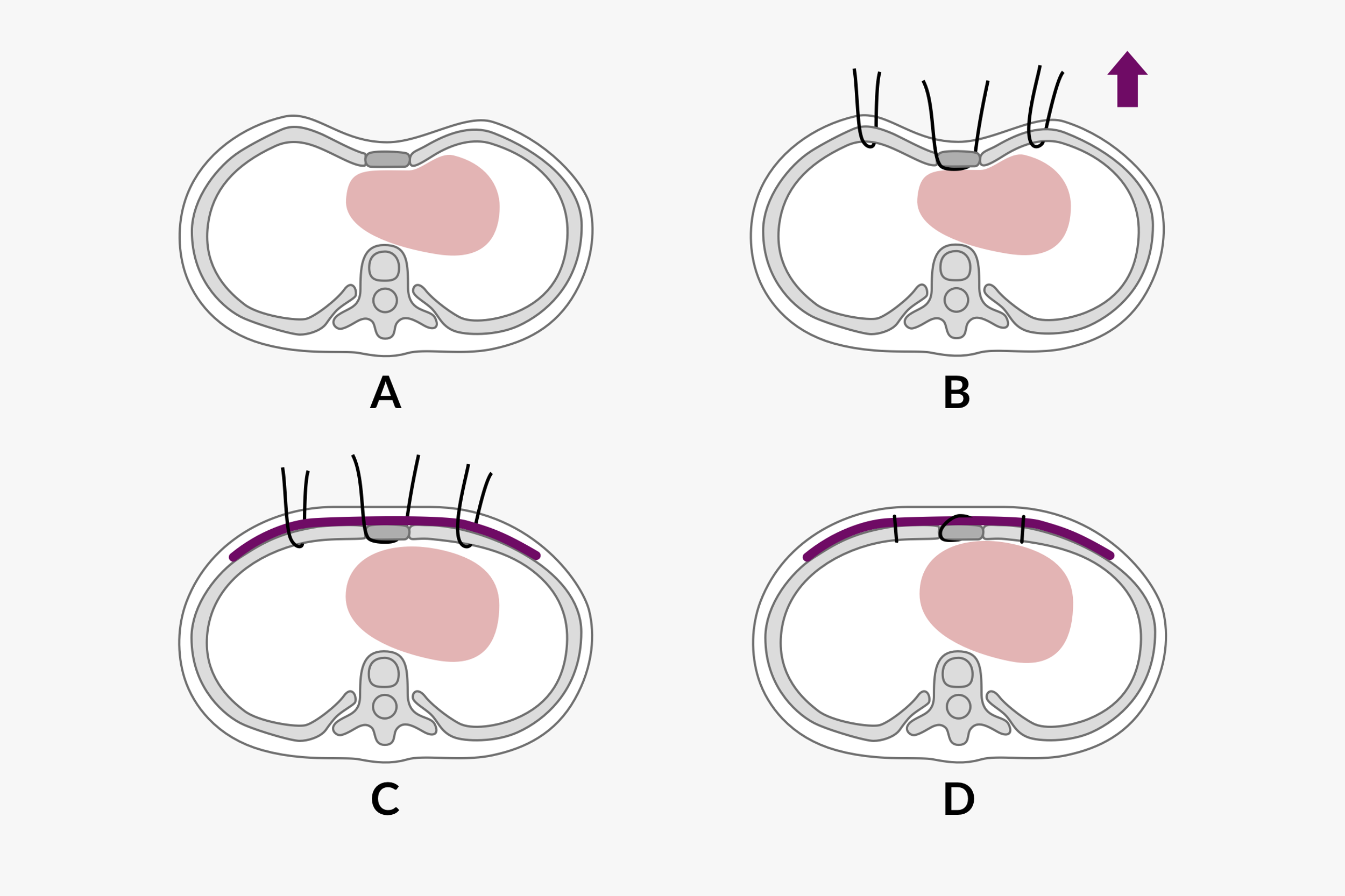
Technically, the arc is bending toward controlled lift and durable fixation. The wang procedure advances this by pairing sternal elevation with a pre-shaped support element and multi-point anchoring that resists rotational torque. Under thoracoscopic vision, the surgeon maps the deepest point, protects the heart, and uses gentle leverage rather than brute force. That matters. Lower shear force on tissue means less bar displacement risk. Better periosteal fixation means fewer micro-motions that trigger pain flares. When we compare this against legacy patterns, we see a trend: fewer large incisions than open resection, and more predictable biomechanics than single-point constructs. Patients who pursue surgery for pectus excavatum want more than a flat chest; they want confident breathing during a sprint, easy sleep, and a jacket they zip without a pause. These are clinical goals, too—just written in human terms.
What’s Next
Near-term, expect principles to tighten: refined sternal elevation devices, guided force vectors, and smarter implant contouring based on 3D CT reconstruction. Pain pathways will be managed with layered strategies—intercostal nerve block at induction, long-acting local anesthetics, and motion plans that limit bar stress during the first weeks. Future outlook? Smaller profiles, better corrosion resistance, and imaging-informed adjustments at follow-up. Centers will compare not only complication rates but also return-to-sport timelines, cough tolerance, and sleep quality scores—funny how those “soft” outcomes predict satisfaction. If you’re choosing among options, anchor your decision in three checks: 1) biomechanical stability under daily motion; 2) nerve-sparing strategy with clear analgesic plans; 3) migration and reoperation rates over two years. Keep it calm, keep it comparative, keep it real. The chest is not just a wall; it is a rhythm you live in, day by day.
In the end, the lesson is practical: smaller trauma, smarter force, steadier days. Old methods taught us what is possible; new principles show us what is sustainable. Choose the path that preserves motion and quiets fear while it lifts the sternum. Knowledge guides craft, and craft serves the person standing in front of us—always. ICWS