Introduction: Defining the Field, Framing the Stakes
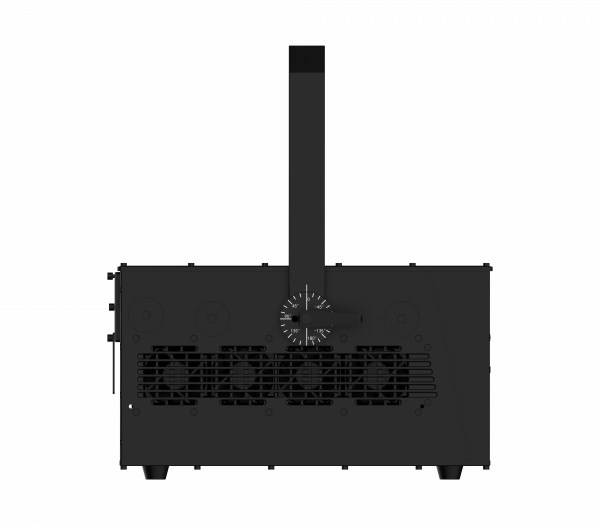
Outdoor laser projection is precise light, stable optics, and safe power delivery—aligned to the sky and the street. An outdoor laser projector manufacturer builds sealed systems that hold calibration, resist weather, and meet public-safety code. Picture a riverside festival: long throws over water, humid air, variable wind, crowds that move. Typical specs tell the story. High lumen output for long-range visibility. IP65+ enclosures to block dust and rain. Duty cycles that run hours, not minutes. Thermal management to hold color and power across cold starts and warm nights (no drift, no guesswork). Many cities now ask for low-glare spill and strict safety interlocks. Operators also want fast setup, low failure rates, and clear logs. The numbers vary by site, but the pattern is steady: reliability wins.

So the question is simple: how do we design open-air lasers that stay bright, stay safe, and stay efficient, without overbuilding the rig? Let’s map the gaps first, then compare what’s next.
Legacy Solutions, Modern Demands: Where the Friction Starts
Direct truth first. Many classic rigs were built for short shows and mild weather. When you scale up, weak links surface fast. With outdoor projector laser lights, small flaws add up into big problems on-site. Fan-only cooling lets temperature creep. That shifts color balance and drops output. Older galvanometer scanners can chatter at high speeds, which softens text and logos at distance. Wide beam divergence wastes brightness, so you push power converters harder and heat rises again—funny how that works, right? Cabling is another trap. Long DMX or Art-Net runs without proper shielding invite noise. In short: the system fights itself.
Where Do Legacy Rigs Fall Short?
Look, it’s simpler than you think. Legacy housings are not always sealed for real storms. IP65 claims may not match daily abuse: salt spray, dust, and thermal shock. Without smart drivers and sensor feedback, auto-dimming, shuttering, and interlock checks lag. That adds risk for the safety officer and stress for operators. Edge computing nodes can fix this, yet they are often missing. The result is manual work, more downtime, and slow fault isolation. You see it in long runs: color drift, focus shift, and uneven power draw that stresses the PSU. The crowd does not care why. They just notice when the sky looks dull.
Comparative Outlook: Principles That Will Reset the Baseline
Now, compare old stacks with new architecture. The new baseline starts with sealed modules, active thermal loops, and real-time sensing. Solid-state diode arrays with tighter beam divergence keep brightness on target at long throws, so you use fewer watts per lumen where it counts. Servo control improves scanner linearity at higher speeds, so text stays crisp even across glass facades. Add photodiode feedback and you hold color balance live, not after the show. Put small edge computing nodes on-site and predict faults before they hit. When you shift to vector-based content and synchronized timing over PTP, multi-unit shows lock in. In practice, modern outdoor laser light projectors shift stress from brute-force power to intelligent regulation—cooler running, steadier output.
What’s Next
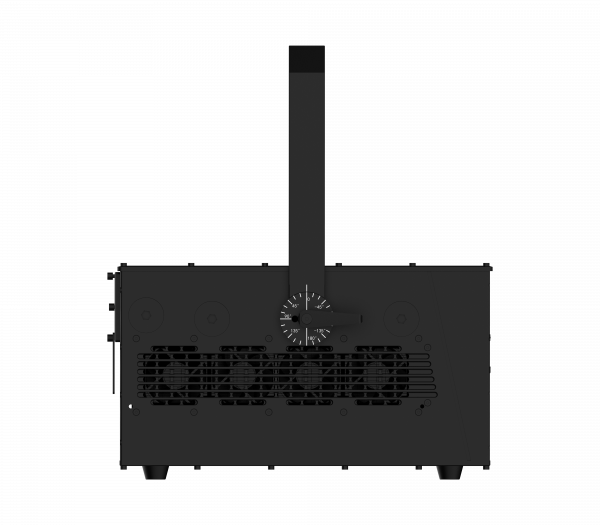
The next wave is not hype; it is control theory in the field. Think PID thermal control that updates per frame, not per minute. Think wide-range power converters that hold voltage under brownouts, and tighter EMI control for clean data lines. Think IP67 modular chassis that open from the rear for service in rain breaks—fast in, fast out. The lesson from earlier sections is clear: thermal drift, weak sealing, and noisy control loops hold legacy rigs back. The path forward is measurable and repeatable. Use advisory checks to choose better gear: 1) Stability under load: track color deviation and beam profile after a two-hour soak at full duty; 2) Environmental hardening: verify IP rating, salt-mist resistance, and operating range with logs, not just labels; 3) Control robustness: require scanner linearity specs, latency under network jitter, and closed-loop safety responses. Keep it simple, keep it proven, and let the show speak. Guidance stands; brand names don’t change the physics—yet the better ones lean into it, like Showven Laser.